






The main purpose of a solar inverter is to make the energy produced by solar panels compatible with the electrical systems in buildings and with the main power grid. Inverters convert the direct current (DC) generated by the solar panels into alternating current (AC), which is the form of energy that powers most devices. This conversion is fundamental in a solar installation, as it allows the energy to be properly utilised, distributed to the grid, or even harnessed as surplus DC power to be stored for later use.
Inverters serve as the heart of the system, monitoring the installation’s performance, providing information on energy production and surplus and permitting the detection of faults or inefficiencies in the system.
Solar panels are connected in series and grouped in the most efficient way possible to optimise power generation. This arrangement is called a string, and it is essential for maximising the power obtained from the solar panels under various conditions of light and shade.
MPPTs are electronic devices designed to track and control the maximum power of the solar array and are the point where the strings connect to the inverter. Their function is to continuously adjust the electrical load to ensure that the panels operate at their optimum efficiency level, even when the intensity of the sunlight varies.


Solar inverters are experiencing an exponential growth in popularity in the energy sector, and they undoubtedly constitute a step in the right direction in times of climate crisis. This is a crucial consideration for investors, as they offer both short and long-term benefits and have the potential to boost the economy as a whole. They are a vital component of the ongoing energy revolution and will play a fundamental role in our transition towards a more sustainable and cleaner energy model.
In a world where the climate emergency is one of our most pressing issues, the search for sustainable energy alternatives has become a top priority. Green energy has emerged as a solution that can mitigate the impacts of climate change and ensure a more sustainable future for generations to come through the use of renewables such as solar and wind, in addition to the optimisation and improvement of other existing sources.
In stark contrast to the extraction and burning of fossil fuels, which contribute significantly to greenhouse gas emissions, green energy considers how we can harness inexhaustible and environmentally friendly natural resources, such as sunlight and wind, to generate electricity cleanly and efficiently. Green energy offers an alternative that could help us reduce our dependence on non-renewable resources and curtail global warming.
Green energy offers numerous other benefits, such as job creation in the renewable energy sector, the diversification of the energy matrix and improved energy security, as well as lower electricity prices. At the same time, energy optimisation and the reduction of consumption also have a crucial part to play in the transition to a more sustainable future, by promoting energy efficiency practices and encouraging a more responsible use of resources.
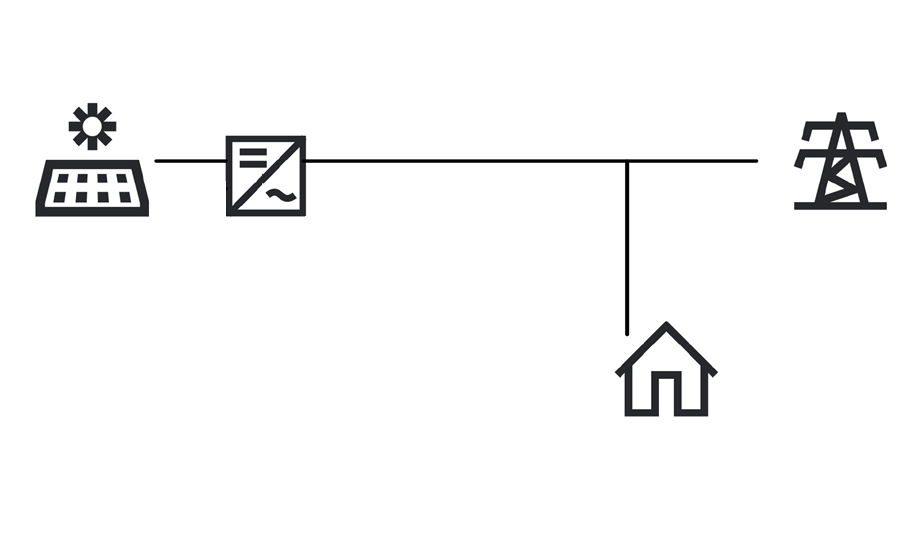
They are designed to be connected directly to the public electricity grid so that the entire solar facility can be used during daylight hours and electricity is available outside this period. They also allow surplus solar energy to be fed into the grid if generated.
.png)
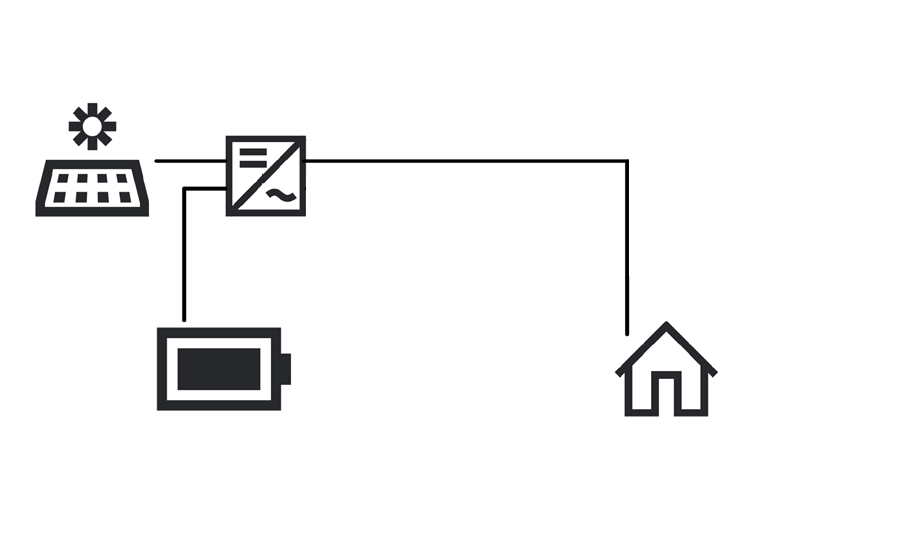
They combine the features of on-grid inverters with the ability to connect batteries for energy storage, which means they can store direct current in batteries for use when there is insufficient solar generation or at night.
These inverters, also called stand-alone inverters, are not connected to the public grid. As such, they can only use the photovoltaic energy from the panels. Some models have batteries, which allow current to be stored for subsequent use when there is no sunlight.
They are designed to be connected directly to the public electricity grid so that the entire solar facility can be used during daylight hours and electricity is available outside this period. They also allow surplus solar energy to be fed into the grid if generated.
They combine the features of on-grid inverters with the ability to connect batteries for energy storage, which means they can store direct current in batteries for use when there is insufficient solar generation or at night.
These inverters, also called stand-alone inverters, are not connected to the public grid. As such, they can only use the photovoltaic energy from the panels. Some models have batteries, which allow current to be stored for subsequent use when there is no sunlight.
.png)
In the general mode, the inverter seeks a balance. It prioritises feeding the loads with the power generated by the solar panels, but if the consumption is lower than the photovoltaic power being generated, it sends the surplus to charge the battery. If, on the other hand, the consumption is higher than the supply generated by the panels, it uses the battery. And, if the consumption still outweighs the available photovoltaic supply, it uses the grid.
.png)
In the off-grid mode, the mains supply is never available. Therefore, only the priority load can be supplied. The first option is to use the power from the solar panels, and if this covers the consumption by the priority load, the surplus is used to recharge the battery. If the solar panel output is insufficient, the battery covers the shortfall.
.png)
In this mode, mains power is available, and the inverter seeks to fully charge the battery by directing all the energy from the solar panels to it. If the power generated by the panels is insufficient, the inverter uses the mains supply to charge the battery. The normal and redundant loads are fed from the grid, or if the panels are producing enough power to fully charge the battery, by any photovoltaic surplus.
.png)
In this mode, the energy from both the solar panels and the battery is used to feed the priority loads, prioritising the use of the solar panels at all times.
In the general mode, the inverter seeks a balance. It prioritises feeding the loads with the power generated by the solar panels, but if the consumption is lower than the photovoltaic power being generated, it sends the surplus to charge the battery. If, on the other hand, the consumption is higher than the supply generated by the panels, it uses the battery. And, if the consumption still outweighs the available photovoltaic supply, it uses the grid.
In the off-grid mode, the mains supply is never available. Therefore, only the priority load can be supplied. The first option is to use the power from the solar panels, and if this covers the consumption by the priority load, the surplus is used to recharge the battery. If the solar panel output is insufficient, the battery covers the shortfall.
In this mode, mains power is available, and the inverter seeks to fully charge the battery by directing all the energy from the solar panels to it. If the power generated by the panels is insufficient, the inverter uses the mains supply to charge the battery. The normal and redundant loads are fed from the grid, or if the panels are producing enough power to fully charge the battery, by any photovoltaic surplus.
In this mode, the energy from both the solar panels and the battery is used to feed the priority loads, prioritising the use of the solar panels at all times.

Reduce the bill, be sustainable and improve the energy certification of the home. Solar energy is a home’s best friend.
.png)
Understand how electricity is used in offices and retail outlets, promote energy neutrality and raise awareness of consumption patterns.

The high demand for energy in production and distribution centres means that photovoltaics offer a rapid return on investment and reduce costs in the medium and long term.
Reduce the bill, be sustainable and improve the energy certification of the home. Solar energy is a home’s best friend.
Understand how electricity is used in offices and retail outlets, promote energy neutrality and raise awareness of consumption patterns.
The high demand for energy in production and distribution centres means that photovoltaics offer a rapid return on investment and reduce costs in the medium and long term.
Your choice of inverter will depend on the technology in use, the installation type, and the power rating.
The first step is to ascertain whether the installation is single-phase or three-phase. Once that has been clarified, you will need to choose between an on-grid inverter (the photovoltaic element only works when the sun is shining), a hybrid inverter (allows the energy to be stored in batteries) or an off-grid inverter (only works with the panels, in isolation).
The next step is to match the inverter power to the total feed-in power with a margin of 10% excess. For example, a household with a contracted power of 4.4 kW should look for an inverter of no less than 4800 W.
.png)
The zero injection function controls whether or not power is fed into the grid from the photovoltaic system. When activated, the inverter adjusts its output so that no surplus energy is sent to the grid. This is useful to minimise the energy exported to the grid, whether for economic, regulatory or technical reasons: while the legislation in some countries allows users of PV installations to receive financial compensation for the energy they inject, in others, they may face restrictions or additional fees for doing so.
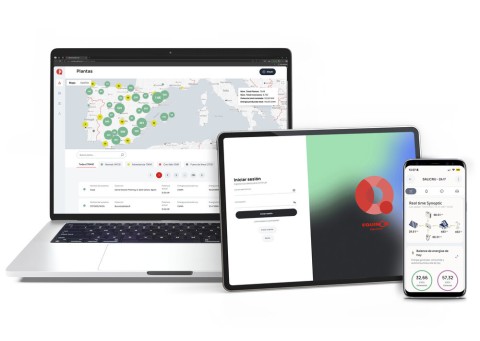
In today’s installations, having a good tool that allows you to monitor and analyse the current status of the photovoltaic system and consult historical data is vital. It makes it easier to manage the energy generated efficiently, remotely control the solar inverter and activate or deactivate zero injection into the grid as required, and having access to instantaneous power graphs and historical records of energy balances provides a complete overview of the system’s performance, which, in turn, allows the user to capitalise on the potential financial savings by adjusting the system to their electricity tariff. In addition, the inclusion of features such as real-time monitoring of the solar installation and the possibility of programming specific actions to optimise energy consumption add further value to the tool, providing total control over the management of the installation.
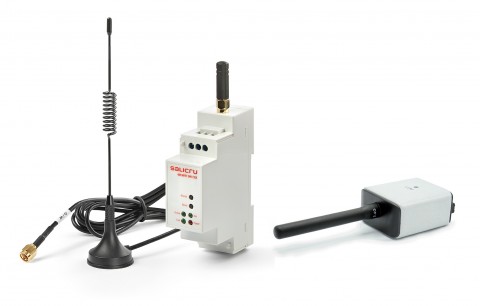
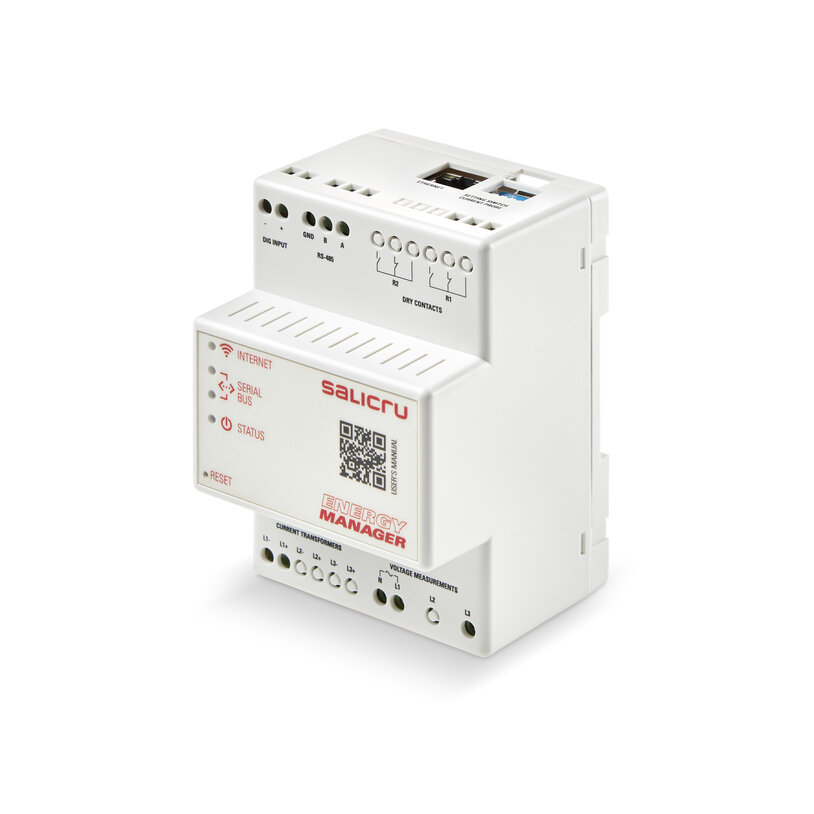
In the case of hybrid inverters, the batteries, which are used to store the surpluses generated, are the primary accessory. Bi-directional voltage regulators are also available to prevent shutdowns in grid-connected photovoltaic installations due to power line overvoltage and/or undervoltage. Most regulations governing this type of system’s connection to the grid require solar inverters to shut down if their voltage exceeds certain limits. The Smart Meter enables proper management of the blocking of surplus feed-in, integrating the functions of measurement, regulation, decision-making, communication and monitoring of analytical data. In larger installations, which require the management of several inverters connected in parallel, a single Smart Meter can manage all the connected devices.
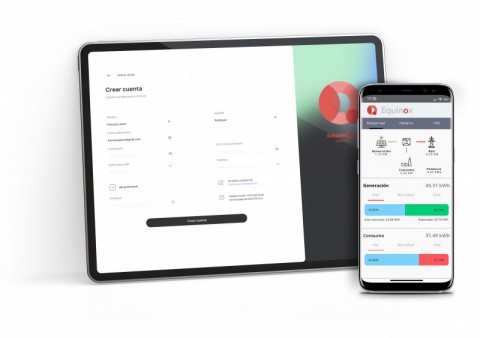
In modern solar power installations, it is vitally important to have an effective tool to monitor and analyse the system.
The EQUINOX application for smartphone and tablet covers this requirement superbly, allowing the current status of the photovoltaic installation to be supervised and historical data to be consulted.
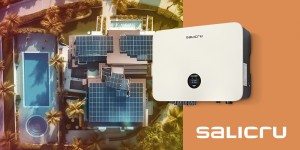
A prestigious hotel chain has carried out an initial cascade installation of 13 solar inverters and a Salicru Smart Meter at its premises in Las Palmas de Gran Canaria. The multiple MPPT charge controllers will enable greater use to be made of the panels.
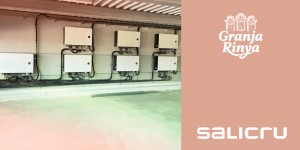
Salicru recently installed a range of energy equipment at Formatgeria Granja Rinya, one of Spain’s biggest cheese manufacturers. The collaboration included the installation of EQUINOX2 T inverters and an energy manager.
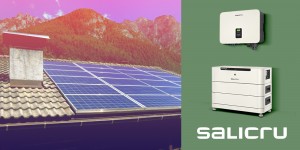
The increase in self-generation has led to the availability of a wider range of power ratings in order to meet the needs of homes, commercial premises and small and medium-sized businesses. All of these segments can benefit from the advantages of solar power by making a modest investment that now pays for itself in an increasingly shorter period of time, in light of the rise in energy tariffs.


 MONTAWEB.com