






- Operational continuity to ensure a constant quality power supply, avoid any disruption to the data centre and eliminate any disturbances that could affect the sensitive equipment in the laboratories of the Faculty of Science.
- Flexibility and scalability to adapt the energy infrastructure to future needs without compromising current operations.
- Advanced management and remote maintenance with remote monitoring and management tools to ensure effective energy management and rapid response to incidents. Servicing of the devices by specialised personnel, which this university does not have, was also required.
- Efficiency and sustainability through the implementation of solutions that minimise environmental impact and optimise energy consumption.
- Conduct a detailed analysis of the university’s current and future energy demands.
- Implement a centralised energy management system to improve efficiency and the response to electrical anomalies and disturbances.
- Prioritise the adoption of technologies that offer high levels of energy efficiency and a low carbon footprint.
- Establish a preventive maintenance protocol to prolong the useful life of the devices and ensure optimal performance.
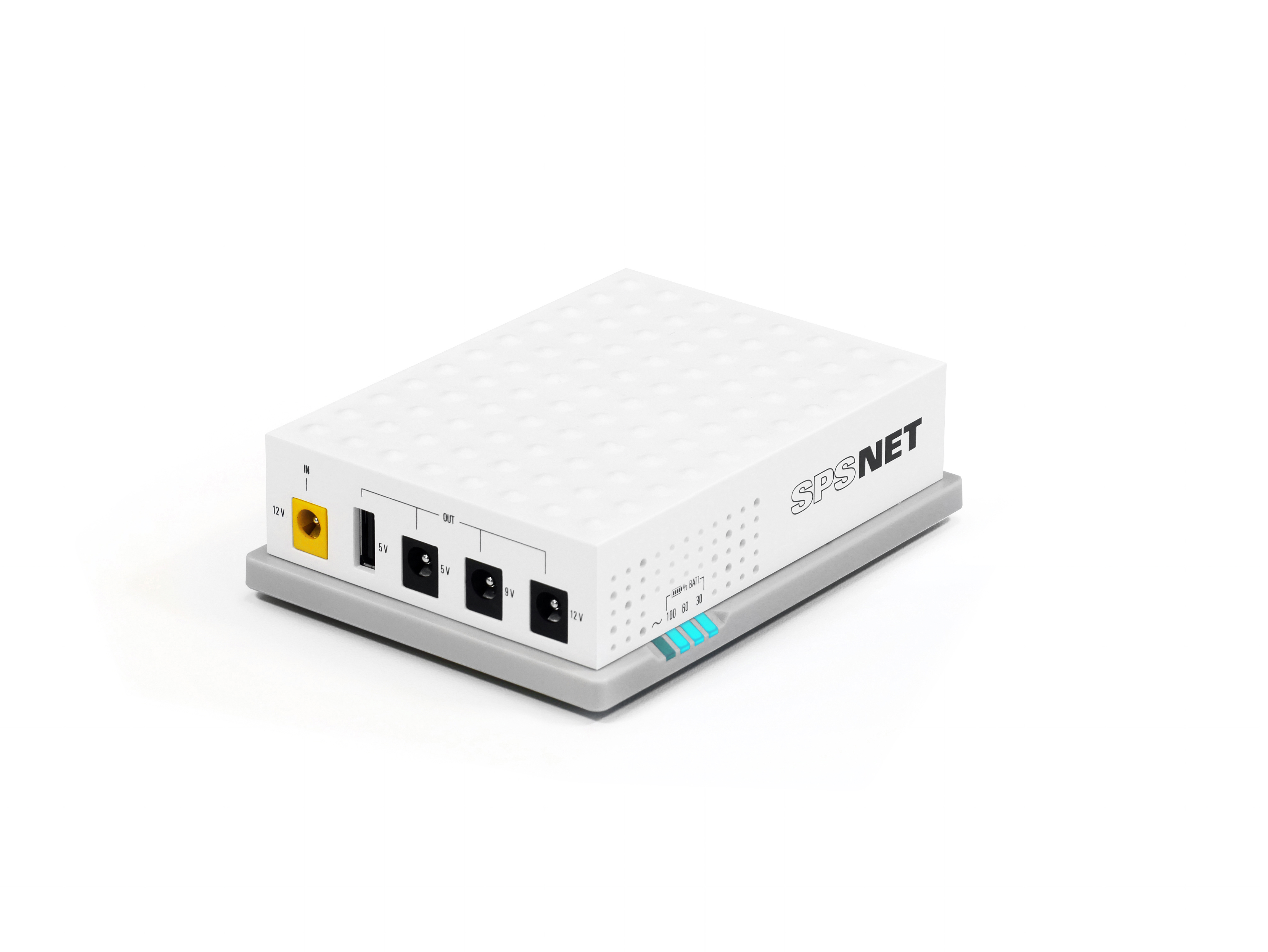
The university implemented Salicru’s SLC CUBE4 and SLC TWIN RT3 systems to meet its power requirements. The SLC CUBE4R was installed in a rack within the data centre, providing a robust and modular solution that guarantees the protection and quality of the power supply thanks to its capacity of up to 80 kVA and advanced cloud connectivity features. For the Faculty of Science laboratories, the university opted for the SLC TWIN RT3 for its reliable and adaptable protection for sensitive devices in rack or tower format with power ratings from 4 to 10 kVA, thus ensuring the continuity of critical research activities and the optimal operation of sensitive equipment such as electrical microscopes and other measurement tools.
- Continuity and reliability: By implementing the two UPS models, the university can rest assured that its critical facilities will operate without interruption, supporting academic and research continuity.
- Efficient energy management: The advanced monitoring and management capacity offered by these systems has optimised energy consumption, which, in turn, has improved sustainability and reduced costs. The efficiency of the UPS systems reflects the university’s commitment to environmentally sustainable practices and carbon footprint reduction.
- Adaptability and scalability: The solution provided by Salicru gives the university flexibility and the ability to adapt to its future needs, supporting its growth and technological advancement.
- Worry-free: The equipment is monitored by both the university and Salicru Services. Specialised personnel are on hand to ensure the entire energy system is operating correctly.
Despite the dramatic changes that the energy market is undergoing and the uncertainties this brings, one thing is very clear: electrification is on the rise and shows no signs of slowing down, due to the gradual disappearance of vehicles and machines powered by fossil fuels.
The “smart” concept, this being understood as the group of advanced technologies that provide a giant step forwards in the automation and features of all types of system, is at its peak. The construction sector, particularly the design and equipping of buildings, plays a principal role in this trend.
The Climate Change Conference has once again highlighted the challenges involved in slowing climate change while at the same time ensuring compatibility with an economic development that is heavily based on fossil fuels and, therefore, on pollutant gas emissions.


 MONTAWEB.com