






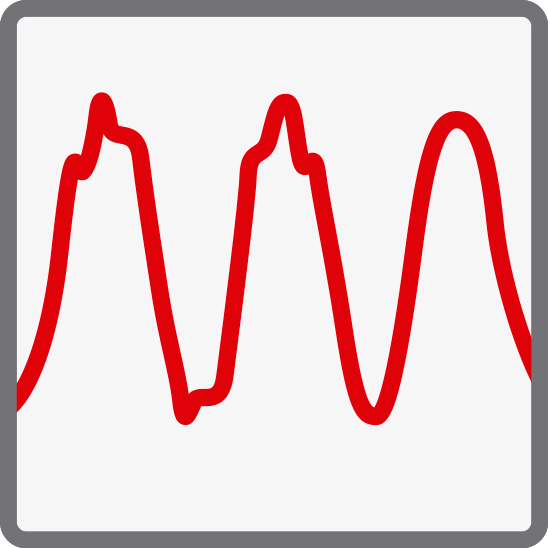
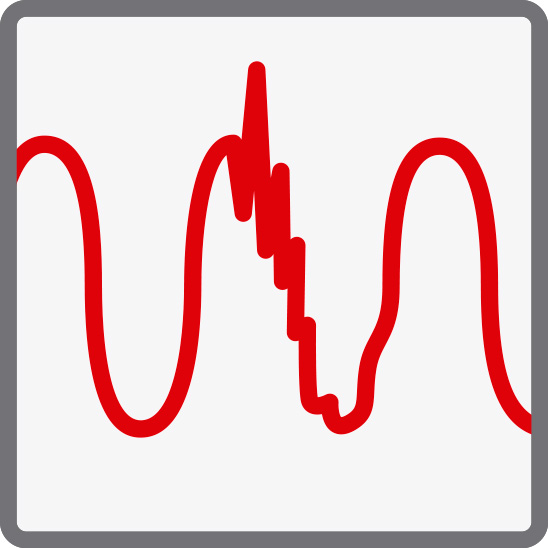
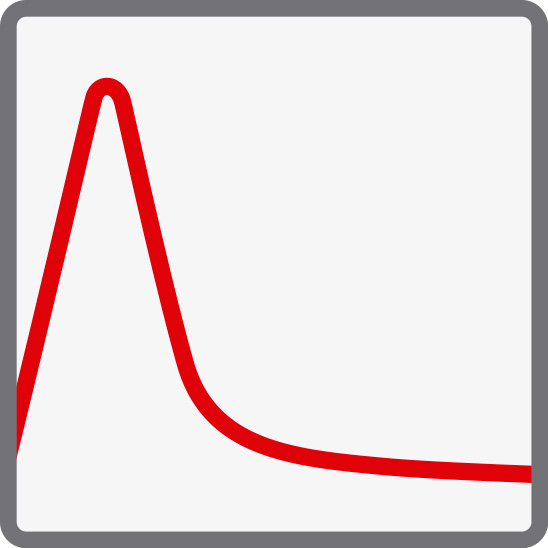
Changes in the frequency of the electricity grid can happen for a number of reasons. These include sudden changes in load due to equipment failures, unexpected increases in electricity demand, operational problems with power stations, or errors in the transmission system.
Another cause is the involvement of renewable energy sources in electricity generation, as they are by definition unstable because they depend on weather conditions: wind speed and solar irradiance can undergo significant and sudden changes. Weather conditions can also lead to frequency fluctuations when they are very adverse. For example, very heavy rainfall, heatwaves, severe storms and strong gusts of wind can cause disturbances that may be minor but also potentially serious.

The effects of more pronounced frequency fluctuations range from damage to powered electrical equipment (ranging from intermittent failures to overheating) to a general reduction in efficiency and even breakdowns in the distribution infrastructure, leading, in the most extreme cases, to power cuts. Ultimately, this results in mounting repair costs and downtime, which not only have financial consequences for business revenues and profits but can also damage the reputations of all types of organisations.
It is therefore crucial that the network's frequency quality is properly managed and monitored at all times to ensure it remains stable and within the expected values. This task is entrusted to the operators of the electrical system, who may not always succeed in their objectives. Consequently, solutions that ensure a continuous and adequate quality of electrical supply play a crucial role.
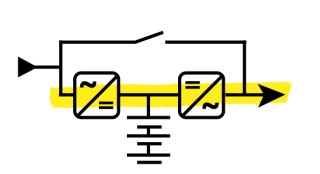
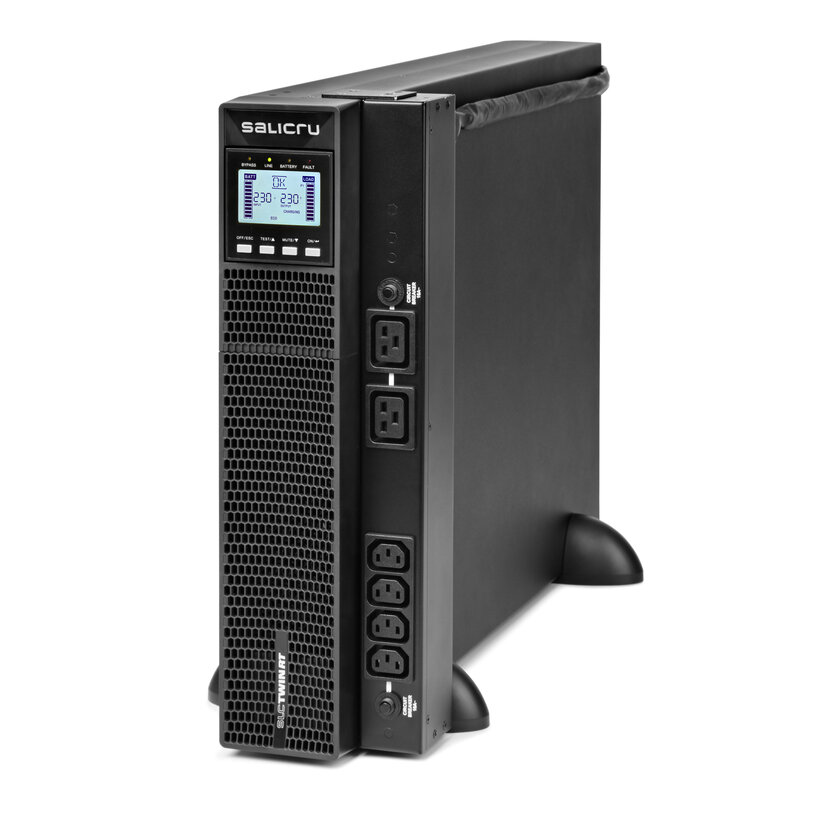
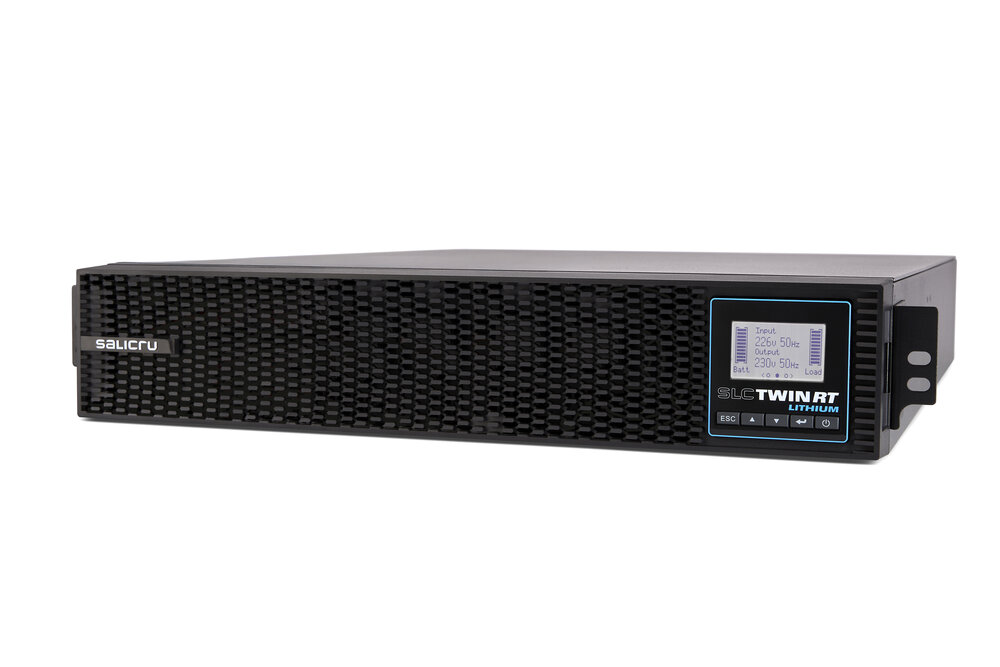
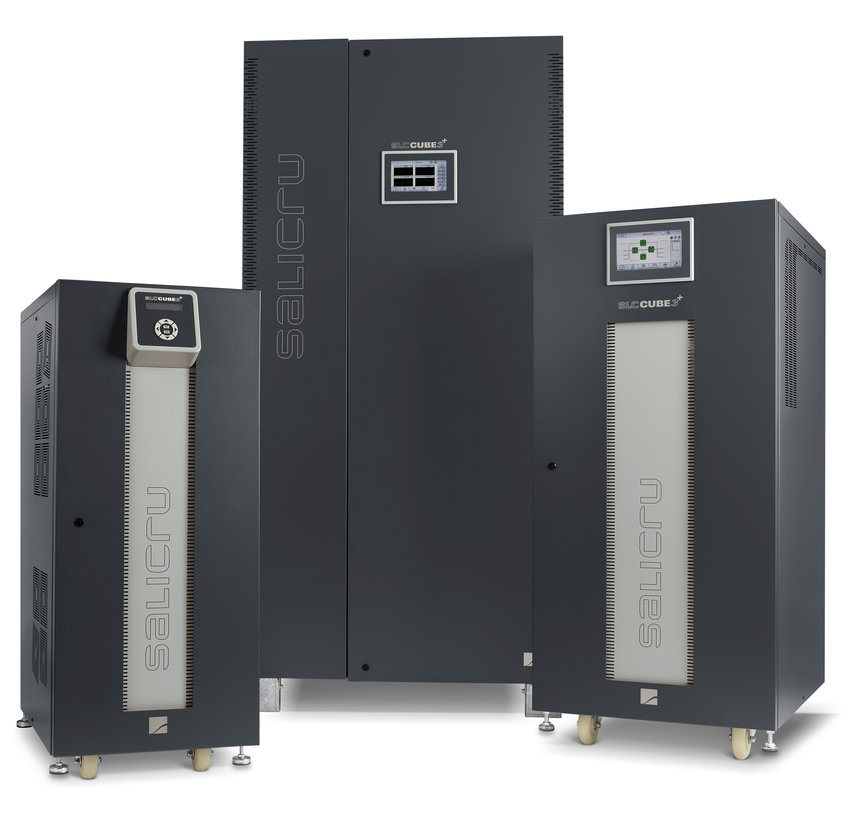
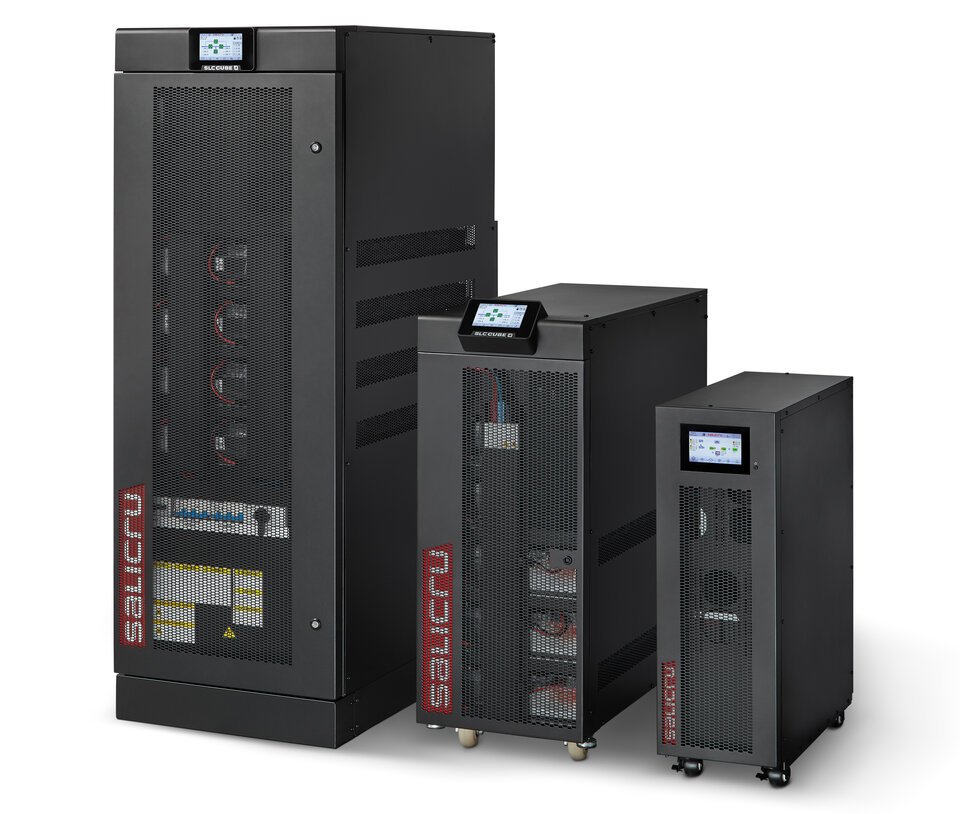
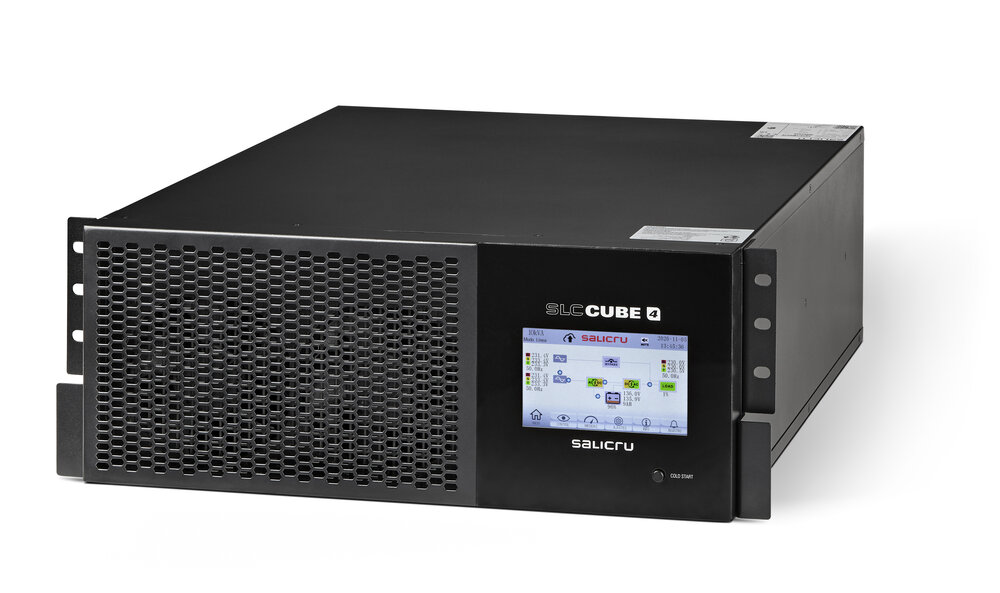
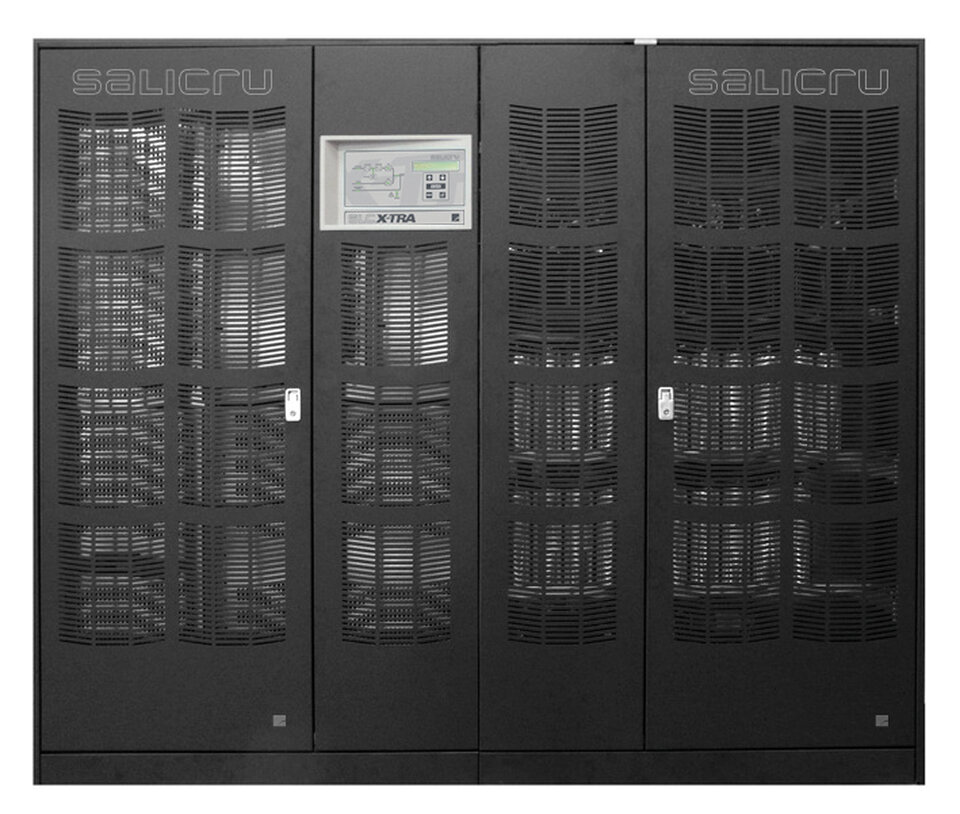
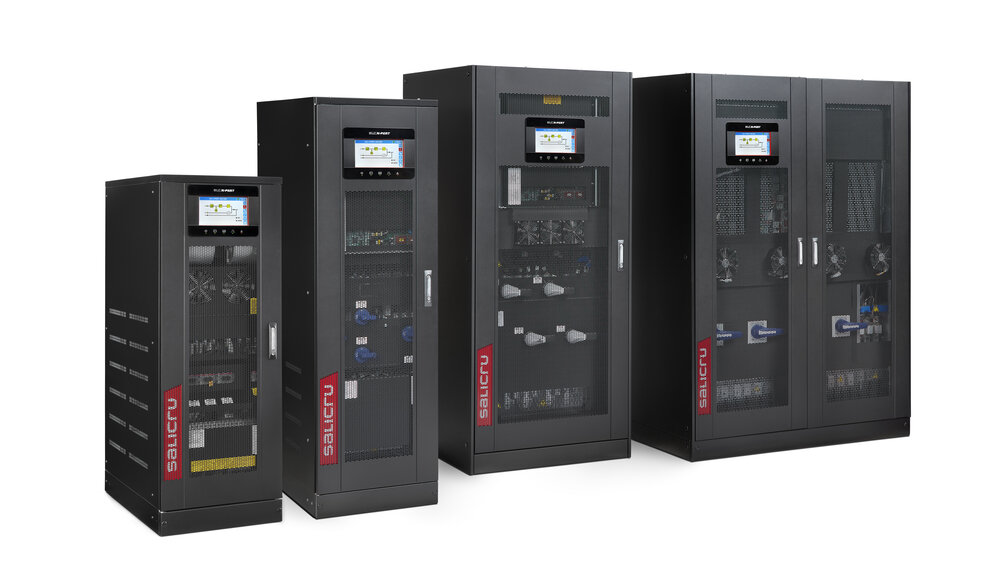
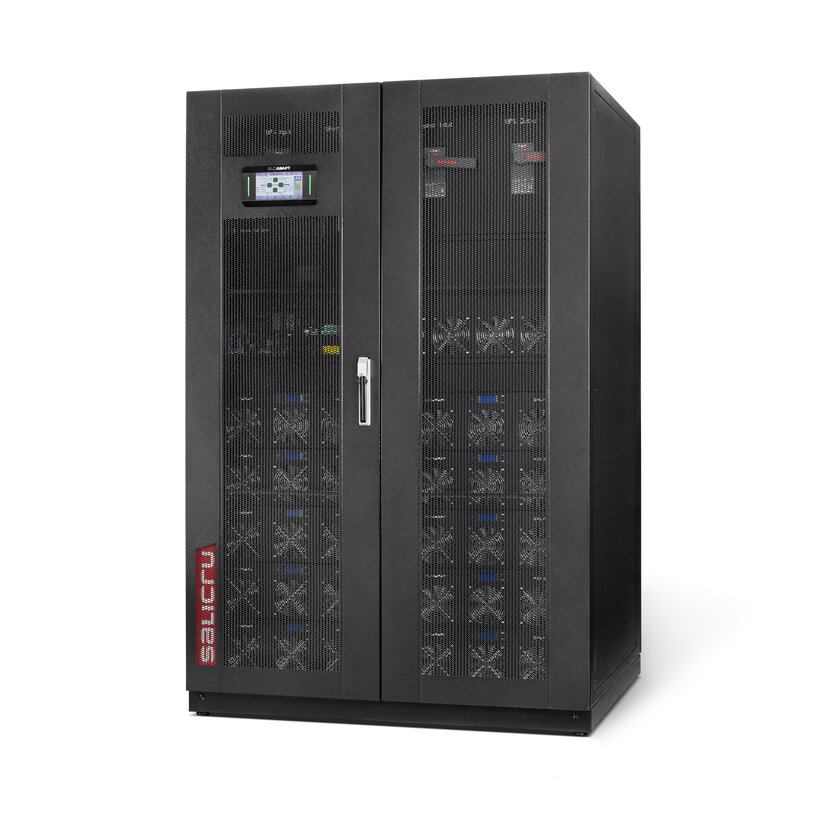
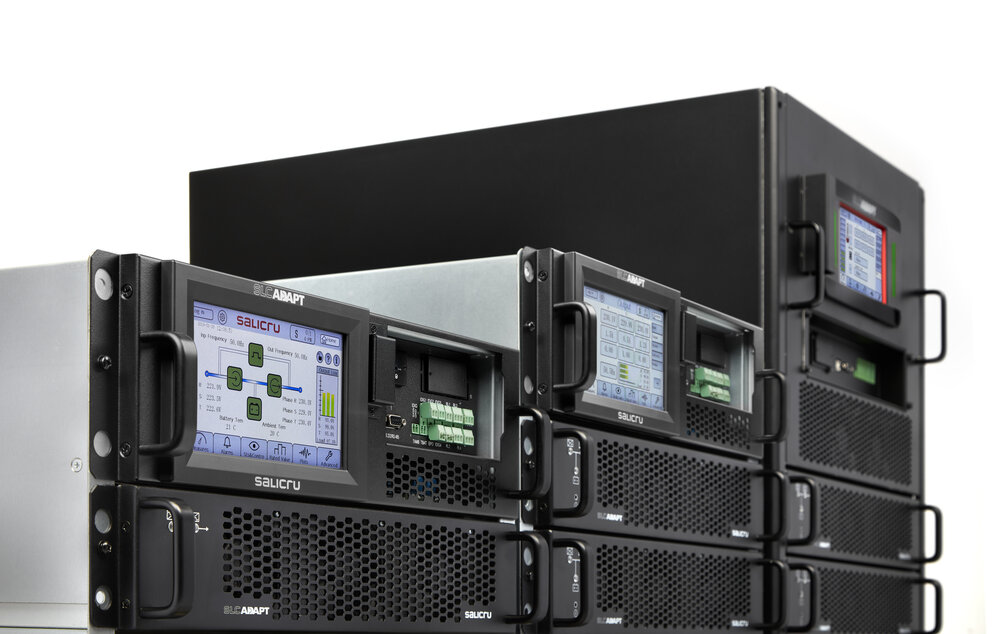
Double-conversion Uninterruptible Power Systems perform an initial conversion of the AC input from the electrical grid into DC, stored in the batteries, delivering to the protected equipment a voltage produced by a second conversion of the battery DC into a perfect, uninterrupted AC output, completely isolated from any disturbances that may occur at the UPS input.








 MONTAWEB.com