







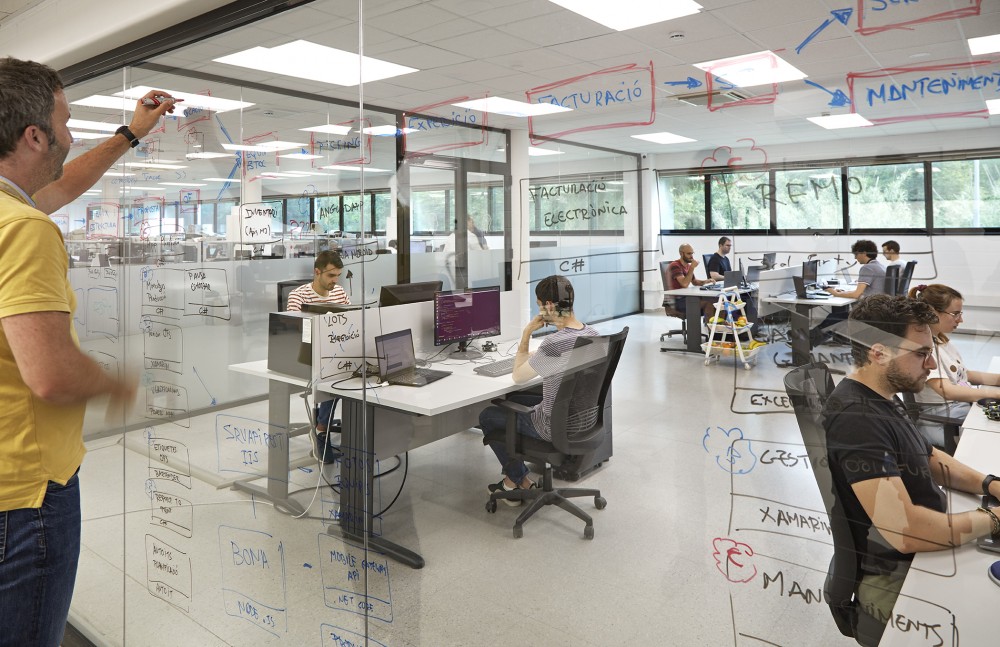
Communication networks have been described by a number of different acronyms, which ultimately reflect their capacity to gather large volumes of data and transmit said data at high speed. In the industrial context they have been given names such as Industry 4.0 or the IIoT (Industrial Internet of Things), which essentially allude to their capacity to gather, store, transmit and process a large amount of information via sensors, cables, hardware devices, etc. For companies and organisations, investment in advanced networks is justified by the strategic value of the data and the increased levels of efficiency they provide, which in turn has a direct impact on results.
Increasingly, the architecture of these networks is based on the concept of “edge computing”, which refers to the practice of processing, analysing and storing data closer to where it is generated, in order to enable a faster (almost real-time) response. This distributed approach to the network is suitable for numerous applications, such as smart cameras, mobile points of sale, medical sensors and industrial computing systems, and is complemented by the centralisation of operations in the cloud. However, it is estimated that by 2025, some 75% of data will be generated outside of large data centres.
The distributed and centralised forms of architecture will coexist alongside each other, and will undoubtedly share an essential requirement: a reliable, continuous, accurate and stable supply of electricity, in order to prevent data loss and interruptions to their operation (the consequences of which would be very harmful).
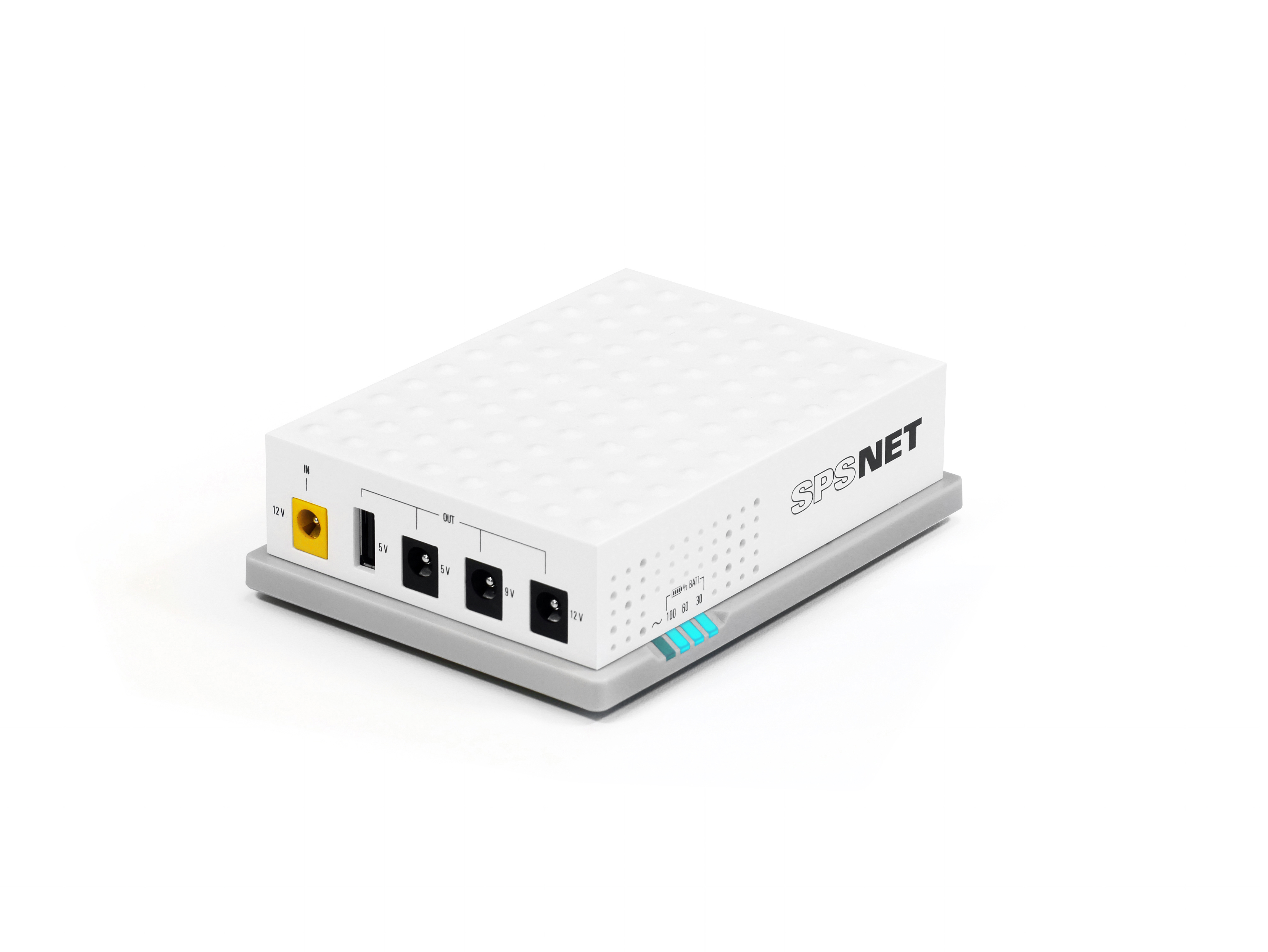
Uninterruptible Power Supply (UPS) systems play a key role in achieving the aforementioned objective, and are no exception to the increased presence of smart technologies based on advanced connectivity. These latest-generation UPS systems are so versatile that they can be used as platforms for centralised, cloud-based management and monitoring, or incorporated into a company’s distributed infrastructure.
The approach taken by Salicru, as a leading producer of UPS systems, is based on the incorporation of the IoT; specifically via MQTT (MQ Telemetry Transport), which is a communication protocol that enables users to manage their UPS systems from anywhere using a cloud-based web application. In order to implement this capability, it is necessary to install a local Ethernet or NIMBUS card in the UPS so that the system’s functions can be managed autonomously.
NIMBUS cards use an embedded Linux operating system and stand out for their tremendous versatility, in light of their ability to enable remote updating, the viewing of variable measurements and alarms via a control panel, telemonitoring, and a range of other benefits. Additionally, Salicru ensures that the system remains secure at all times via SSL (Secure Sockets Layer) technology with the client’s own digital certificates. Ultimately, a high-quality supply can only be guaranteed if the power supply systems themselves also offer maximum quality at every level.


 MONTAWEB.com