



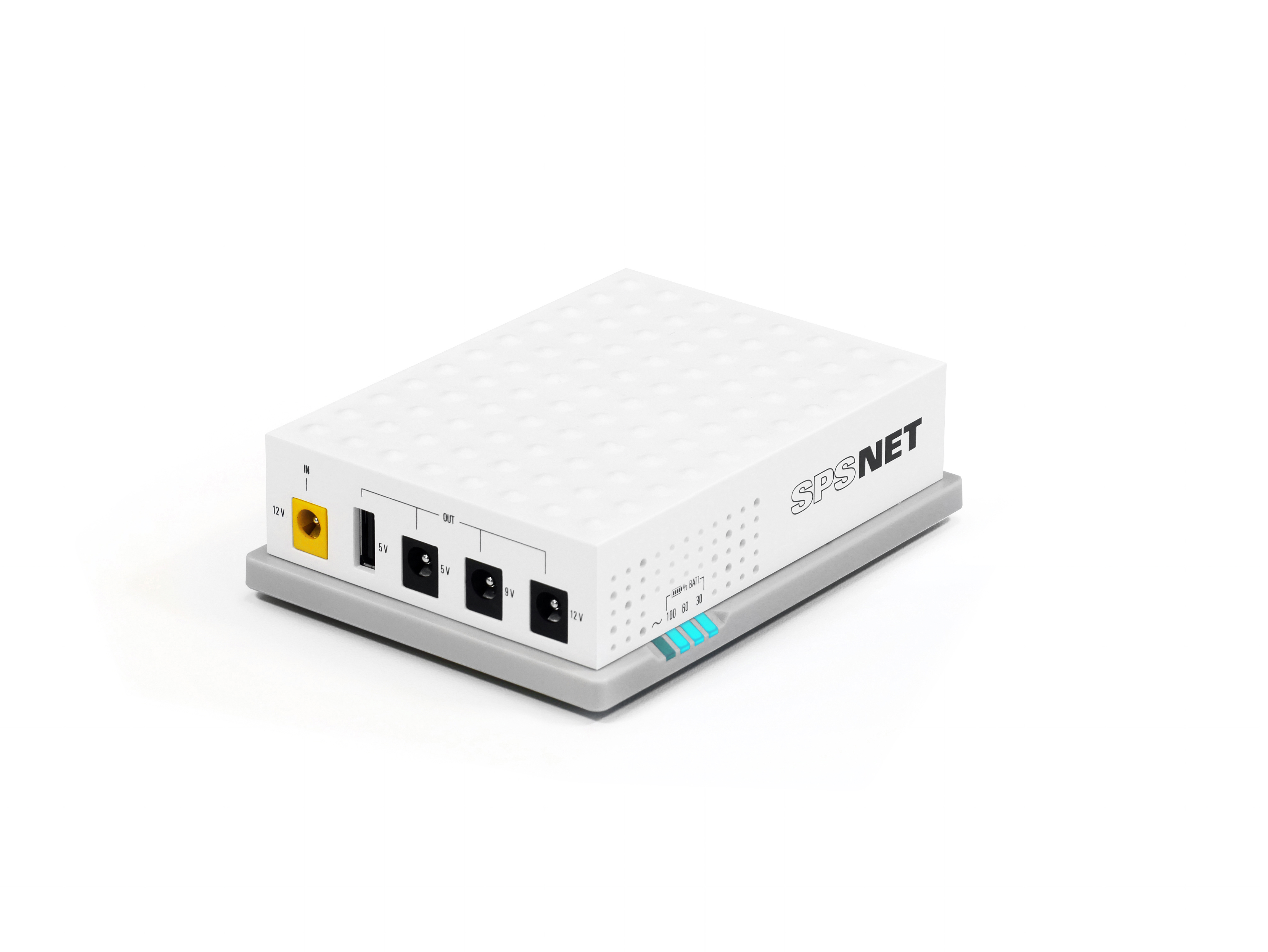


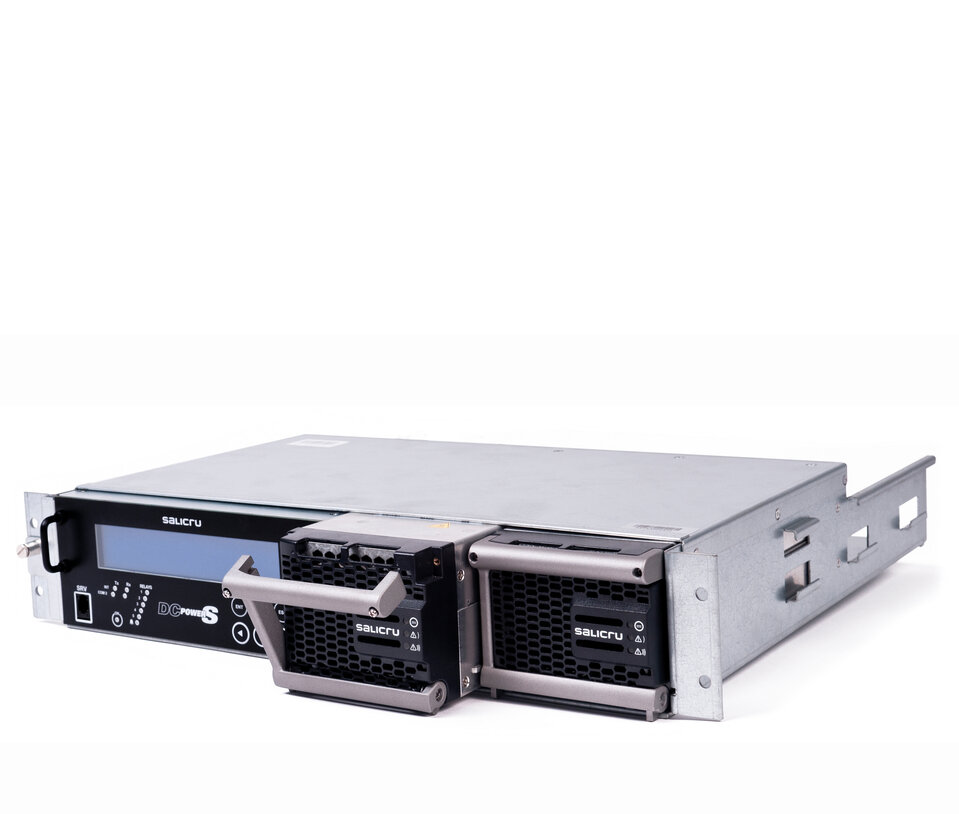
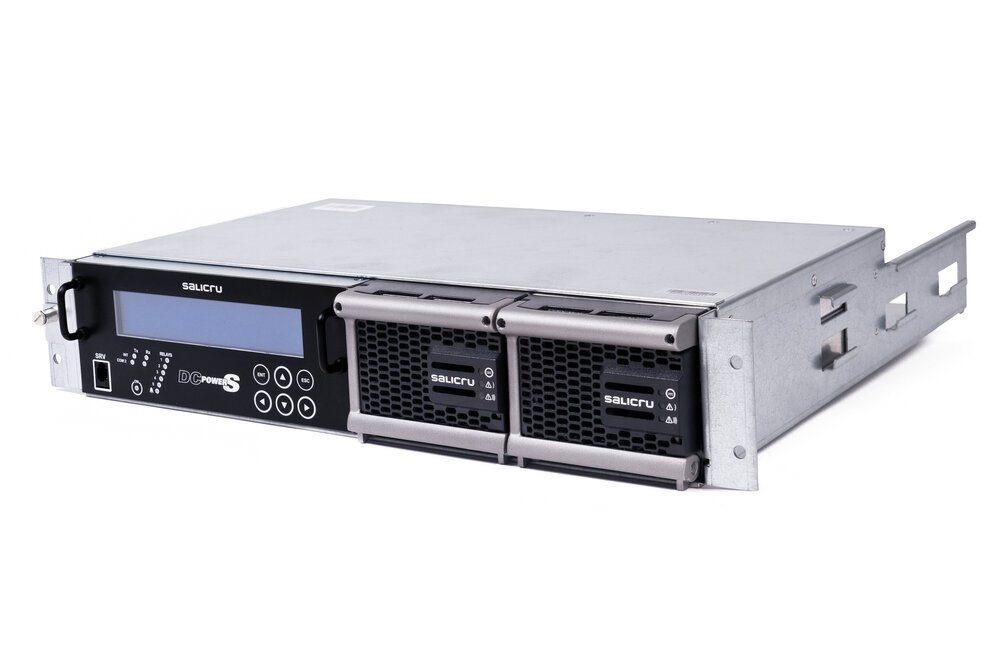
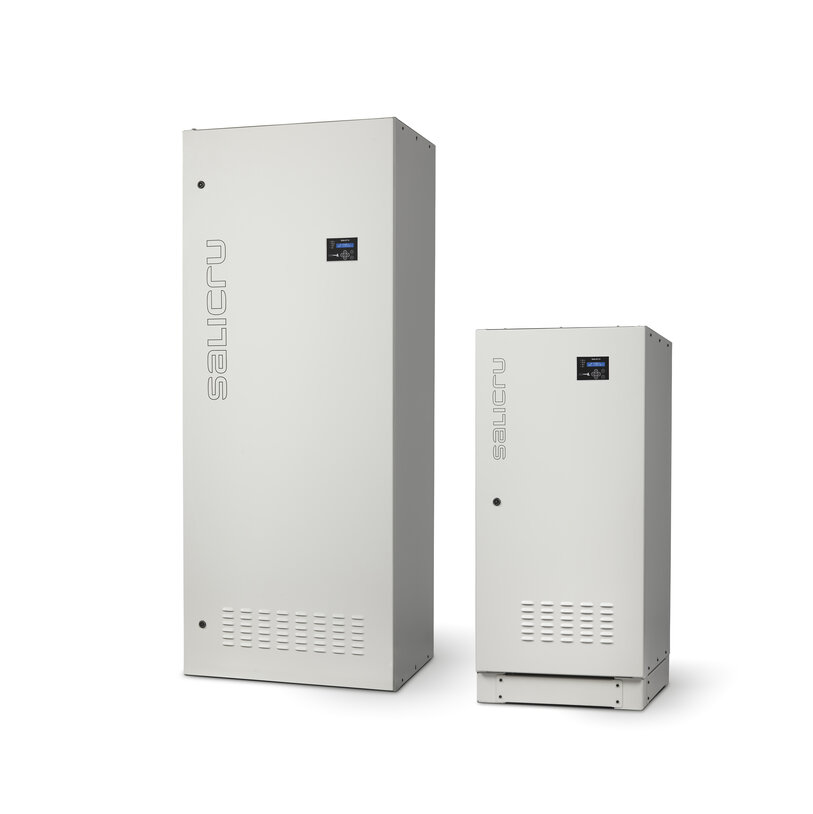
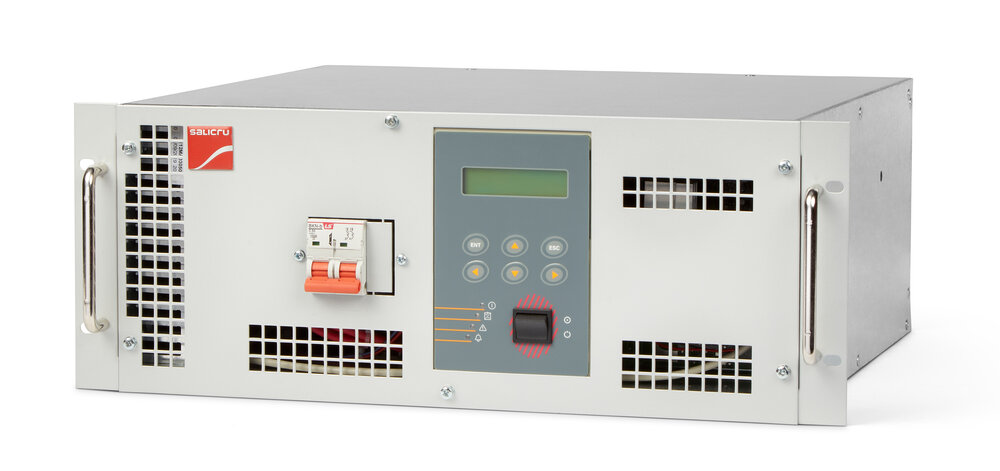
DC Systems are devices that convert alternating current into direct current (rectifiers, chargers) or direct current into alternating current (inverters). These systems can store power in an accumulator battery, enabling a continuous supply of DC or AC (through an inverter), without interruptions.
When the rectifier elements, chargers and inverters are integrated into a single unit, they form what is known as a DC System, allowing both AC and DC-powered loads to be connected.
The parameters and communication ports of these systems can be configured for communicating with the outside world, allowing them to be included in management software and, therefore, keeping the user informed of the device’s status/alarms/events/measurements through remote management.
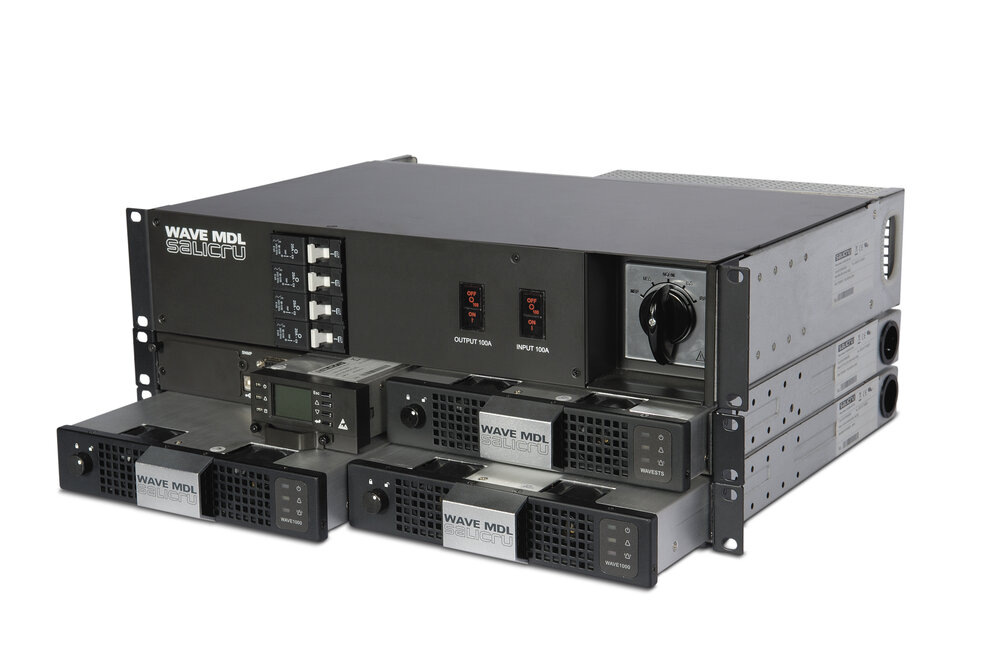
Telecommunications systems are one of the main markets for DC Systems because they ensure seamless operation with no unexpected outages in the power supply to equipment. Some are modular and grow in line with requirements, optimising the Total Cost of Ownership (TCO).
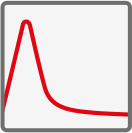
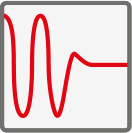
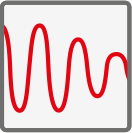
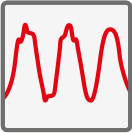

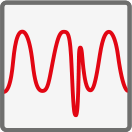
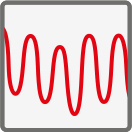
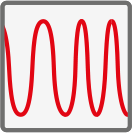
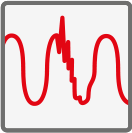
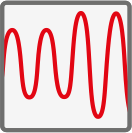
When we talk about electrical disturbances, we’re referring to abnormal events in the electrical system that affect the quality of the power we receive. Let’s imagine the electrical grid as a road along which electricity travels. Under normal conditions, this road allows energy traffic to flow steadily and safely; however, sometimes, certain circumstances can disrupt this normal flow: collisions, traffic jams, construction work, etc. These disturbances can be caused by various factors and result in voltage fluctuations, potentially damaging any equipment directly connected to the supply. Conversely, system overloads can occur, whereby there is too high a demand for electricity so the system experiences blackouts, power outages, or voltage dips that can impair the capacity of the microcomponents.
The primary function of DC rectifier systems is to supply the output load while, at the same time, recharging and keeping the system’s backup battery in optimum condition so that it can provide power to the load in the event of a failure of the input mains or occasional output overloads.
In electronics, a rectifier is the element or circuit that converts AC into DC. This is done using rectifier diodes, whether solid-state semiconductors, vacuum valves or gaseous valves, such as those containing mercury vapour. Depending on the characteristics of the AC power they use, they are classified as single-phase when they are powered by a mains phase or three-phase when they are powered by three phases.
Depending on the type of rectification, they can be half-wave when only one of the half-cycles of the current is used or full-wave when both half-cycles are used.
A thyristor is an electronic component consisting of semiconductor elements that uses internal feedback to produce switching. They are composed of semiconductor-type materials, i.e., depending on their temperature, they can function as insulators or conductors, and they are unidirectional devices because they only transmit current in one direction. As a general rule, they used to control electrical power.
The operating principle of an inverter is to convert the direct current DC input voltage into an alternating current AC sinusoidal output voltage. A fast-acting transistor bridge is used to modulate the input DC voltage from a DC source or batteries.
Mobile inverters are inverters designed for movable or fixed installation systems that have no possibility of connecting to the grid and consequently require stand-alone solutions to provide power from backup elements such as batteries or generators.
.jpg)

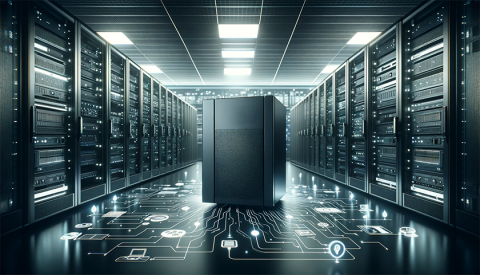
The following optional accessories can be installed in conjunction with a DC system according to requirements.
- Batteries for system backup: sealed or open lead-calcium (PbCa), nickel-cadmium (NiCd), or lithium-ion
- DC output power distribution unit comprising magnetothermal protection, fused disconnectors or disconnectors and fuses, depending on the output current and voltage
- Lightning arrester: a device designed to protect electrical equipment and systems against damage caused by lightning-induced voltage peaks
- Output voltage reducer
- Referenced output voltage, with positive or negative to earth
- Extended communications
- Wireless-link communication
- Other degrees of IP (Ingress Protection)

.jpg)
Salicru has exported 18 220 V DC rectifiers to one of Romania’s leading energy companies, which is in the process of upgrading its equipment. The rectifiers are modular systems that supply high-quality power to critical systems.

Salicru has supplied dozens of DC systems to the Neom project, including DC converters and rectifiers. The project’s aim is to create the city of the future: one which is designed to be a model of sustainability, innovation and progress for the rest of the world.


 MONTAWEB.com