






News
Salicru has developed a three-phase balancer capable of compensating for voltage imbalances, absorbing reactive power and mitigating harmonic distortion in low-voltage networks, in response to the impact of the current trend towards electrification.
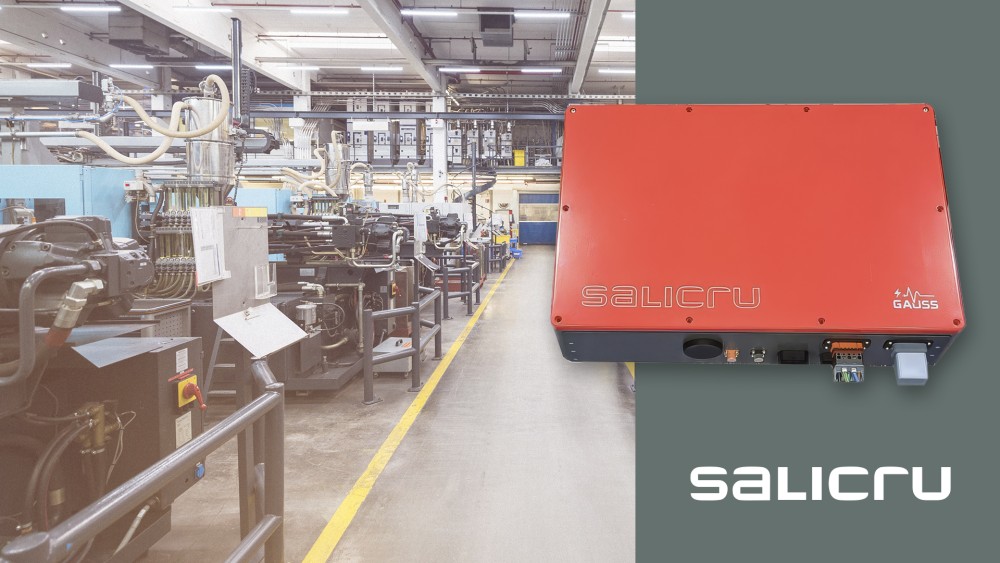
The transformation of the electricity system is producing changes in the distribution networks. The growing number of single-phase photovoltaic installations and electric vehicle charging points is leading to phase imbalances and generating voltage fluctuations and harmonic distortions that affect the quality of the supply, particularly on long rural lines with high impedance. To address this issue, Salicru’s R&D&I department has been working on a project to develop an innovative low-voltage three-phase supply balancer, called GAUSS.
GAUSS is based on a three-level three-phase inverter with IGBTs, which balances voltages by reducing the negative and zero sequences, whilst also restoring the voltages to their rated value by injecting reactive power and correcting voltage harmonics. The result is a more stable, efficient network that is better equipped to support the increased use of distributed generation.
Connecting the inverter in parallel to the line allows the device to regulate only the power that needs correction, rather than the entire line power, unlike a conventional stabiliser connected in series.
The device also allows reactive power to be injected on-demand remotely and, when fitted with batteries, can also use active power to restore voltage, provide support during voltage dips and programme charging and discharging. It can therefore respond immediately to changes in load or generation, compensating for any imbalances instead of relying solely on the actual grid conditions at any given moment.
The GAUSS project also features communication capabilities between devices installed on the same power line to coordinate their operation, and the inverter can make corrections at remote points along the line using a remote meter via a 4G connection and a VPN. In addition, Salicru is working to extend this interconnection to other devices in its range, creating a smart, cyber-secure energy management ecosystem.
Salicru allocates an average of 5% of its turnover to R&D&I, and in 2025 this figure stood at 6%, more than triple the European average. The GAUSS project secured funding from the Centre for Technological Development and Innovation (CDTI by its Spanish acronym) and received co-funding from the European Union through the NextGenerationEU programme, as part of a commitment to developing technologies designed to improve the quality and resilience of electricity grids.







 MONTAWEB.com