






News
When we think of critical infrastructure, i.e. infrastructure that is essential to the economy and society, sectors such as energy, transport, communications, and water and food supply are probably the first to come to mind. However, we should also include all aspects of healthcare, from hospitals and other types of healthcare centres to the supply chains for medical equipment and pharmaceutical products.
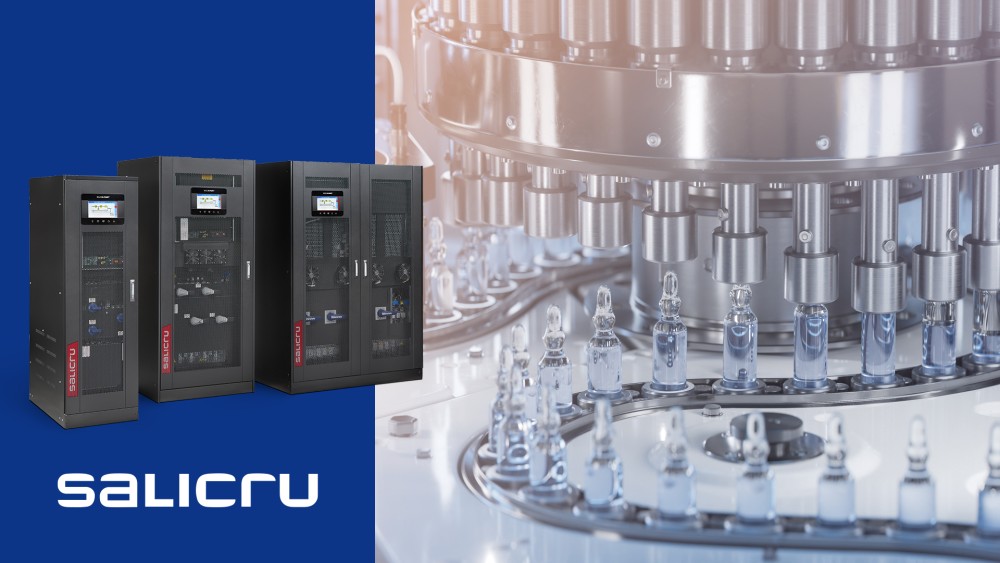
The pharmaceutical sector deals with the production and distribution of medicines, encompassing all the stages involved, from the acquisition of the raw materials used in the products, to their manufacture, storage, transport and distribution. Reliable, safe, and timely operations at all these stages are essential to ensure that the real protagonists—the patients—have access to the necessary medicines when they need them.
Logistics are key
The pharmaceutical sector comprises various types of companies and entities, including raw material suppliers, drug manufacturers, wholesale distributors, pharmacies, and healthcare centres. It’s a complex supply chain that requires impeccable logistics to ensure optimal coordination, including important aspects such as compliance with stringent regulations, product safety and traceability, stock management that takes expiry dates into account and maintaining the cold chain for products that require it.
The ability of a chain with such high requirements to operate 24/7 depends on the availability of a continuous, top-quality power supply at the facilities involved, which in turn requires the use of uninterruptible power supply (UPS) systems. These UPS systems should ideally be advanced to achieve higher levels of energy efficiency, which are necessary to reduce consumption and costs while enhancing sustainability. All this, of course, without compromising reliability and with economical and straightforward maintenance. These requirements can all be met by UPS systems that utilise advanced batteries such as lithium-ion, which are maintenance-free and offer superior energy density.
Another critical aspect of supply chains in the pharmaceutical sector is automation, which is essential for increasing efficiency. Today, this involves integrating advanced technologies such as the Internet of Things (IoT), a challenge that UPS systems must respond to by offering the possibility of being integrated into cloud-managed IoT environments, thereby facilitating continuous monitoring and enabling analysis of the protection provided.
Two other desirable features in UPS systems designed for the pharmaceutical industry are redundancy and scalability. Redundancy helps further increase reliability and mean time between failures (MTBF), while scalability allows UPS systems to be adapted to specific customer needs. We can therefore design tailor-made optimal solutions for each client’s specific requirements, both in terms of performance and total cost of ownership (TCO). In this scenario, Salicru’s SLC ADAPT2 series provides a particularly suitable solution. It offers modular online double conversion systems that allow configurations from 25 to 1,500 kVA, with the flexibility to grow with the needs of the installation (pay as you grow), thus optimising the total cost of ownership. Their hot-swap modules facilitate replacement during operation, drastically reducing repair times and ensuring the continuity of critical processes, while remote management that can be integrated into any platform guarantees constant control in IoT and cloud environments. In addition, its redundant architecture and DSP control technology with a three-level IGBT inverter ensure high reliability, increasing the mean time between failures (MTBF).
The Spanish pharmaceutical industry generates over €20 billion in revenue, but its importance extends well beyond this figure, as is the case with any activity related to our health. Being able to guarantee the continuity of its operations is therefore vital, and UPS systems play a crucial role in facilitating that reliability.






 MONTAWEB.com