






News
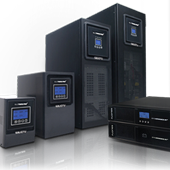
There are numerous causes - thunderstorms, lightning, excessive demand, natural disasters, accidents, etc. - of electrical disturbances - blackouts, micro power cuts, surges, spikes, etc. - suffered by all users of electrical equipment. Electrical problems are responsible for most computer system failures, even exceeding by far those caused by computer viruses. In order to be able to work safely and efficiently with a stable power supply, the best solution is protection by an uninterruptible power supply (UPS).
To ensure that you make the right decision on the UPS system that best suits your needs and technical requirements, there are ten essential factors to consider:
1. UPS technology: The solutions currently on the market are Standby, Line-interactive and double-conversion On-line systems. Each technology offers a number of features to suit the system to be protected and existing electrical disturbances.
2. Power: Determine the power of all of the equipment to be protected, including main equipment and peripherals.
3. Centralised/distributed protection: Choose between protecting all equipment with a single UPS system or protecting by section. Always take into account the criticality of each piece of equipment and the possibilities offered by the electrical installation.
4. Input/output voltage and frequency: Check the UPS system’s power supply, voltage and whether the type of installation will be three-phase or single-phase, and find out what type of power supply is required by the loads to be protected in the same parameters as for the input.
5. Autonomy: Establish the required autonomy time that the UPS has to provide in the event of a prolonged power cut.
6. Future expansion: For the power and autonomy values, it is important to predict future expansion of the needs of the equipment to be protected. Opt for a solution that enables this expansion (parallelable or modular) to avoid unnecessary future costs.
7. Energy efficiency: The higher the performance of the UPS system, the lower the energy consumption costs of the equipment itself, thereby promoting energy and financial savings and reducing environmental pollution.
8. Output power factor: The higher the output power factor (ratio of apparent power VA to reactive power W), the greater the UPS system’s ability to protect active PFC power supplies.
9. UPS/exterior communication: Assess the communication options of each system to find the one that best suits the environment into which it is going to be integrated. Communication possibilities (local, remote, integration into platforms, etc.) and the management and monitoring functions provided.
10. Warranty and technical service and support: Find out about the technical support offered during the warranty period and the maintenance options available once it has expired, as well as response times in the event of an incident and/or telemaintenance options.
You can view all of our solutions by clicking here or accessing our interactive selector from here. For comprehensive advice on choosing the best UPS solution, contact us at salicru@salicru.com.






 MONTAWEB.com