






Cybersecurity has been a growing concern for businesses over the last few years. The figures justify this fear: every day some 30,000 websites are attacked worldwide and two out of three companies have already suffered some kind of cyber-attack. This threat is constant and growing, as it is estimated that more than half a million pieces of malware.
The risk for businesses is amplified by the accelerated digitalisation of their processes, both in services and industrial sectors. It is true that the market offers highly effective and cost-efficient solutions that enable remote access and streamline production, control and distribution processes. However, this development has opened the door to new vulnerabilities that are well known and widely publicised in the media, such as viruses that cause data loss. Another less publicised but even more significant consequence of these attacks is the power outage, which is so harmful that it causes around 40% of these losses. The US Department of Energy estimates that power outages incur an annual cost of around 150 billion dollars in the US.
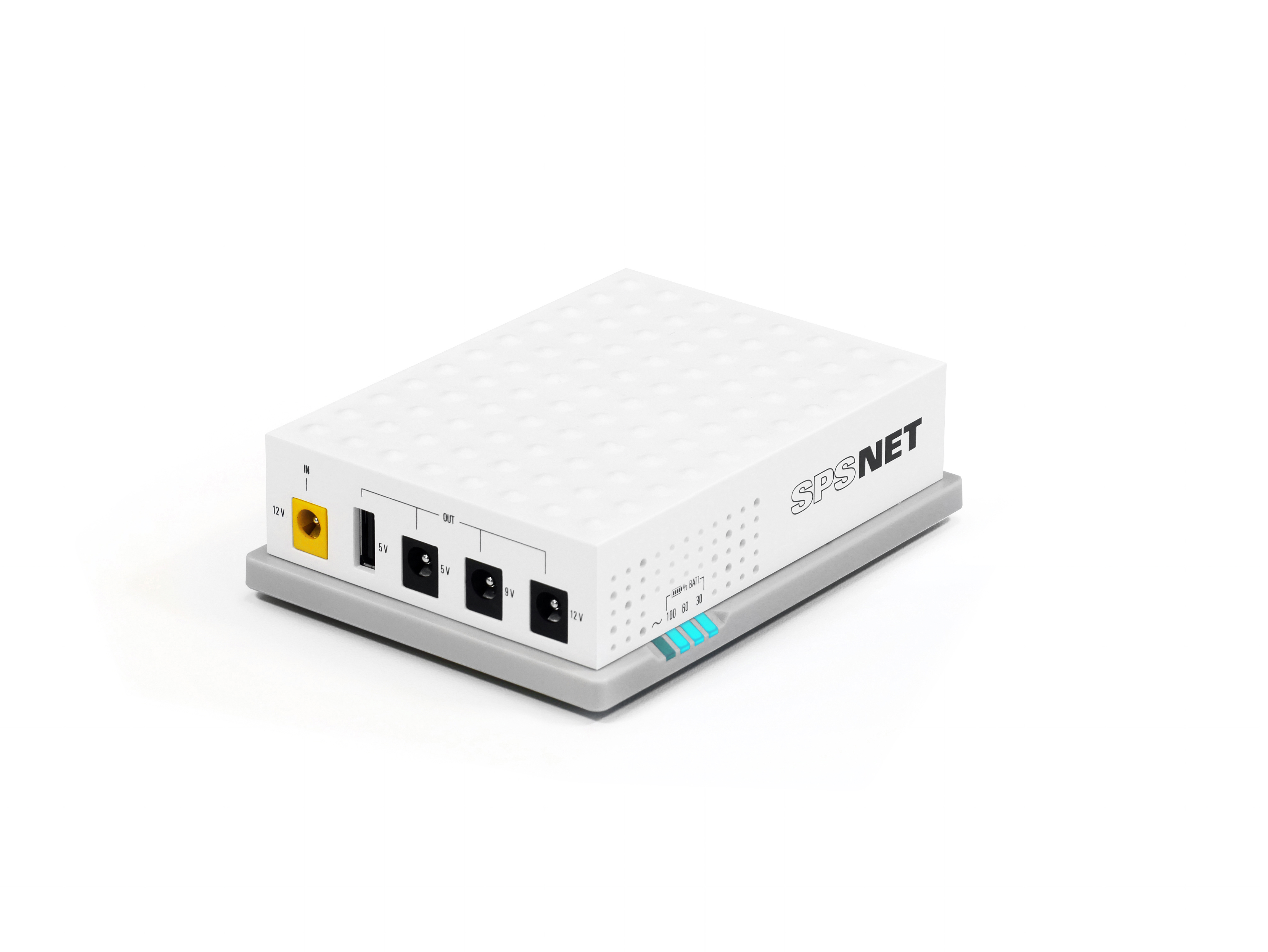
Critical UPS systems are implemented to protect against this type of attack in order to guarantee a stable and permanent power supply to database servers that may contain sensitive information held by companies or public administrations. In the industrial environment, which is going through a period of transformation as it adopts the concept of Industry 4.0 and the smart connectivity of the IIoT (Industrial Internet of Things), UPS systems also play a key role in enabling uninterrupted manufacturing while guaranteeing the continuous monitoring, control and safety of processes.
The constant monitoring offered by a UPS system ensures advance warning in the event of any anomaly, and during a cyber-attack, which typically involves an increase in the power demanded by the equipment, it can notify customers of the increase in the workload so they can provide a timely response.
In order for the UPS system to perform its functions optimally, it must be in perfect condition. However, some studies indicate that around 20% of installed UPS systems have exceeded their lifespan. This represents a risk, for two reasons: reduced reliability due to obsolescence, and increased exposure to cyber-attacks. It is therefore advisable to equip all relevant infrastructure with UPS systems that not only have the adequate specifications, but are also within their lifespan and have had their firmware correctly updated.
Salicru’s technological capacity also enables the company to provide its customers with cloud-based energy protection solutions that can be implemented in private networks, both internal and external, as well as in remote workstations. The rise of teleworking and the hybrid (on-site and remote) organisation of companies is driving the demand for UPS systems for this environment, which will continue to expand in the coming years.


 MONTAWEB.com