






DC POWER-SD
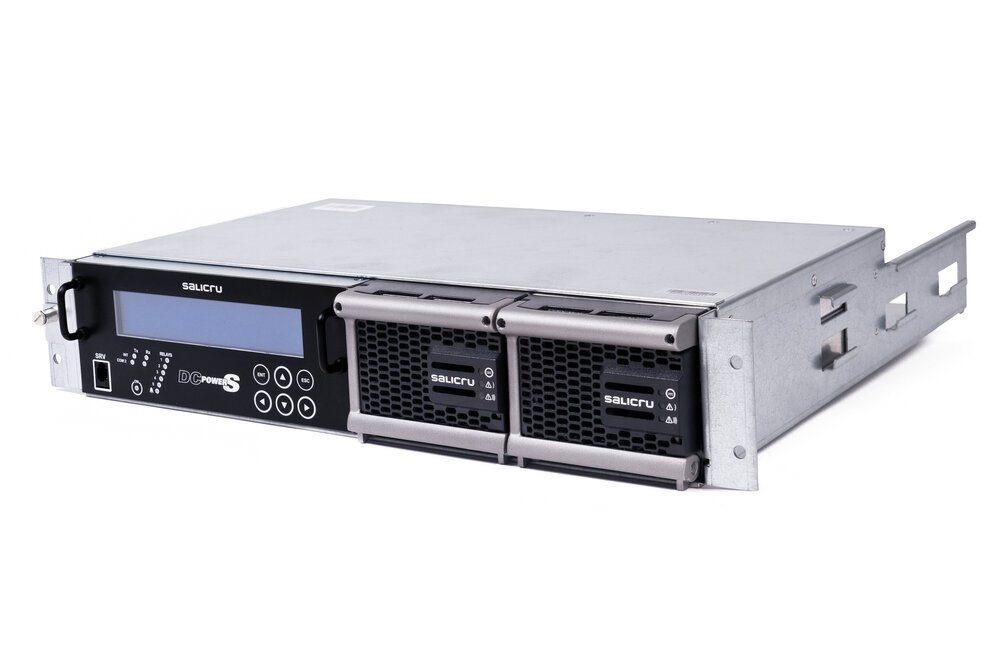
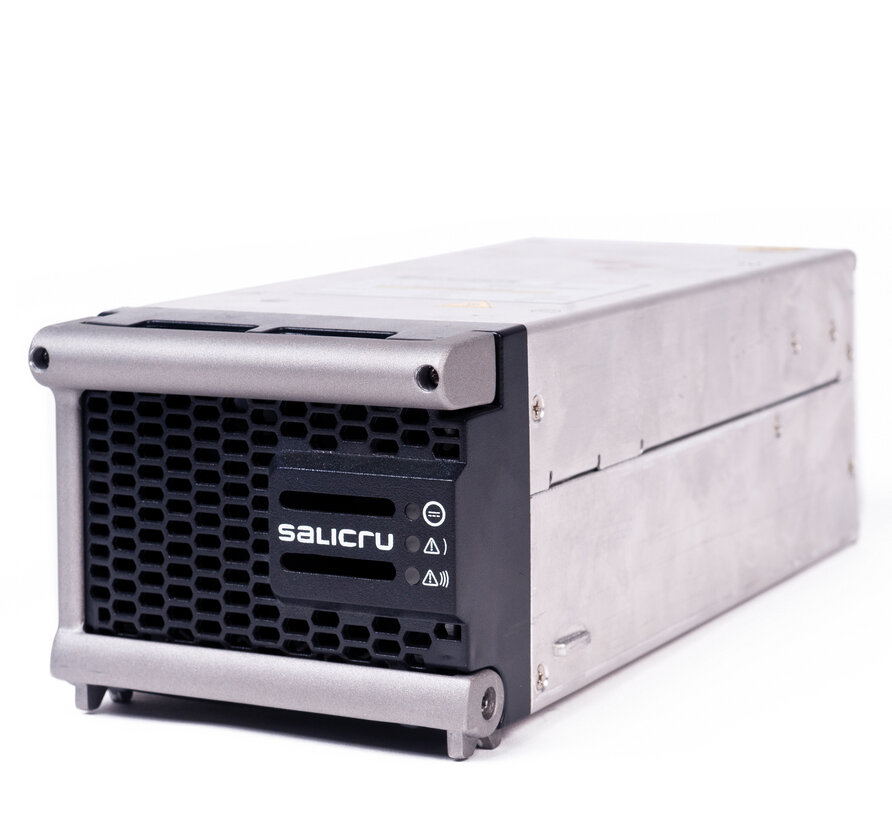
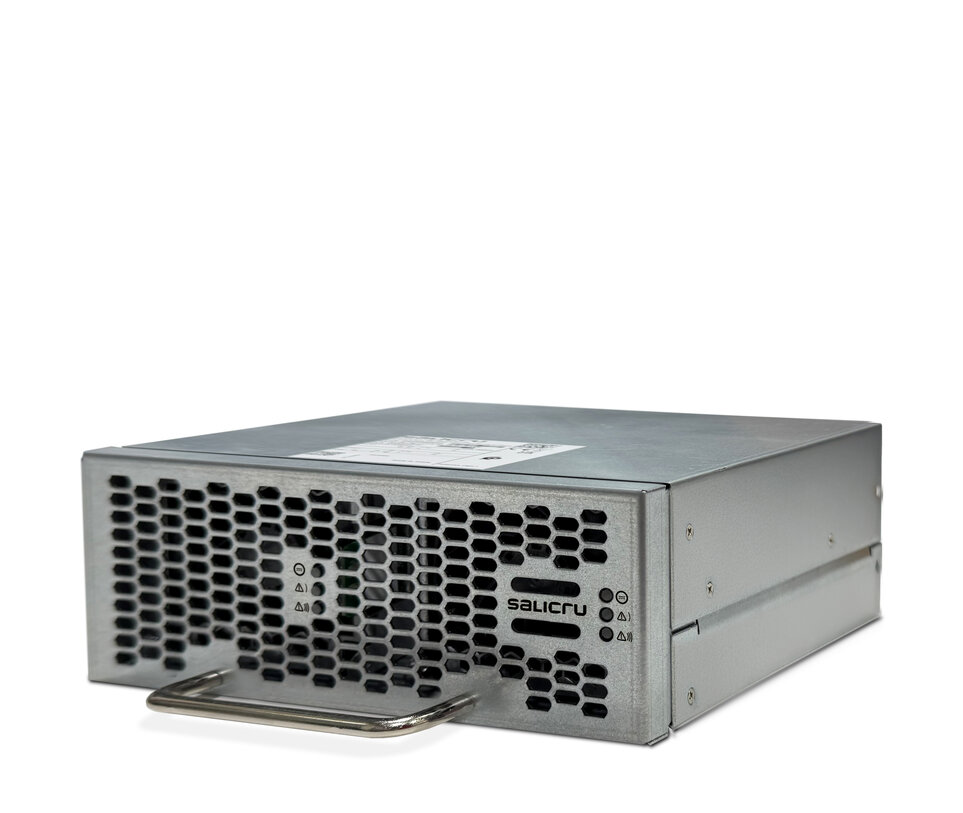
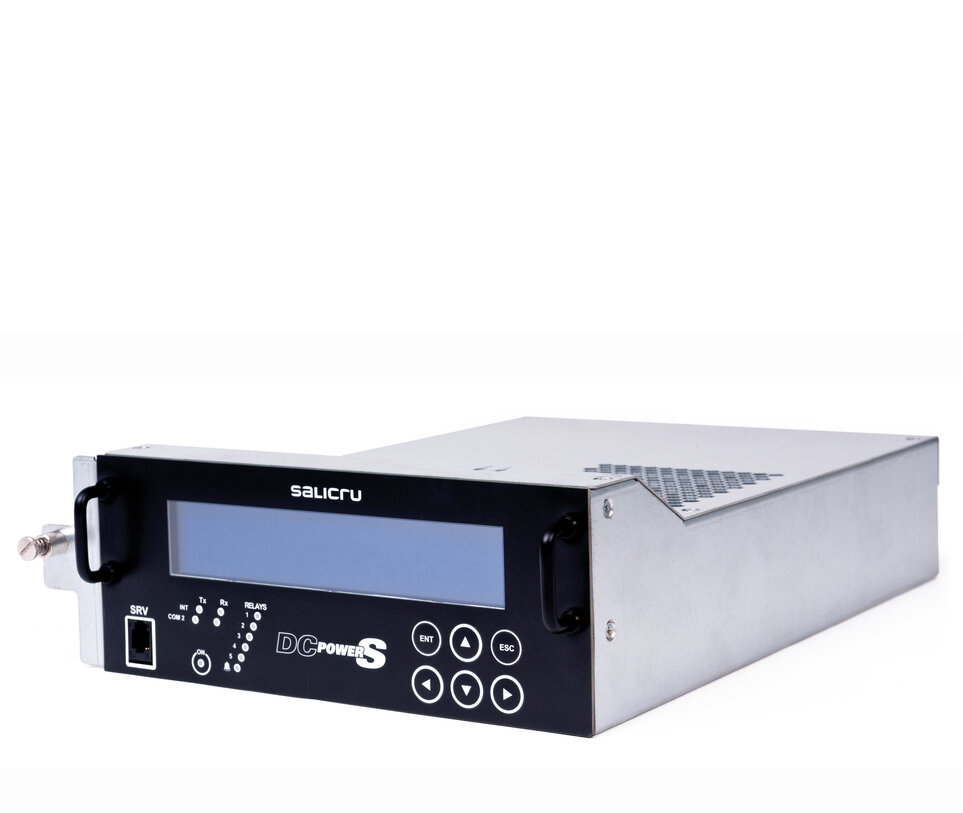
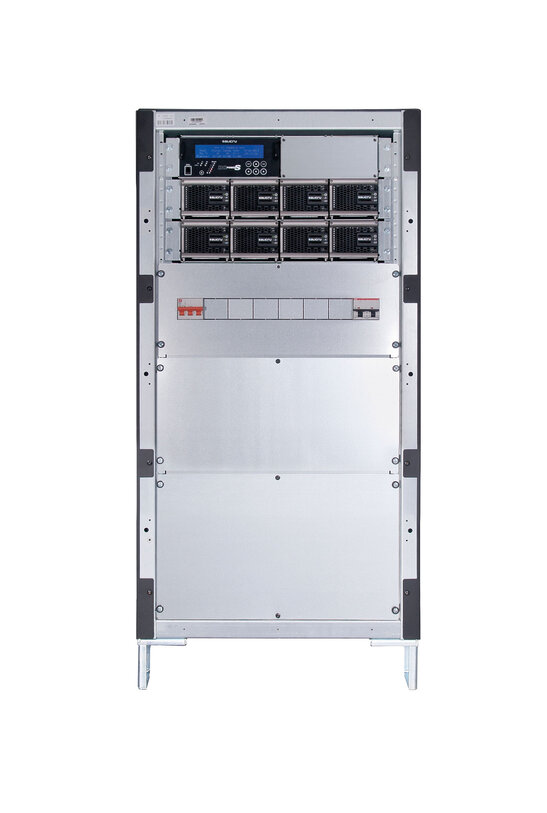
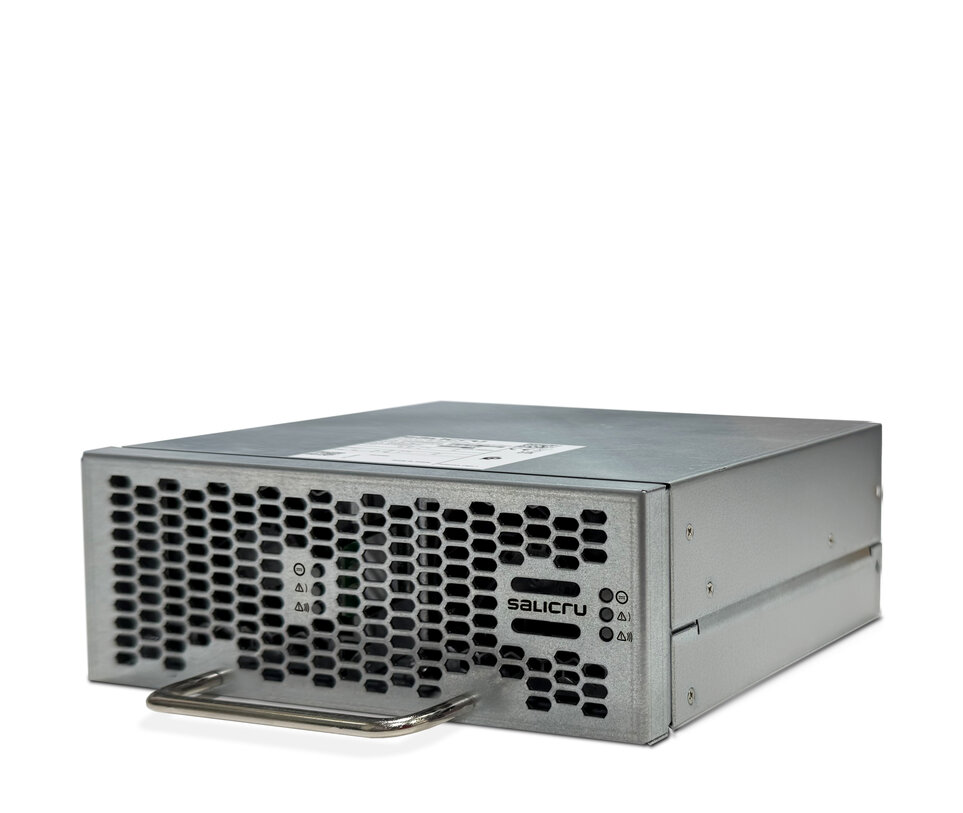
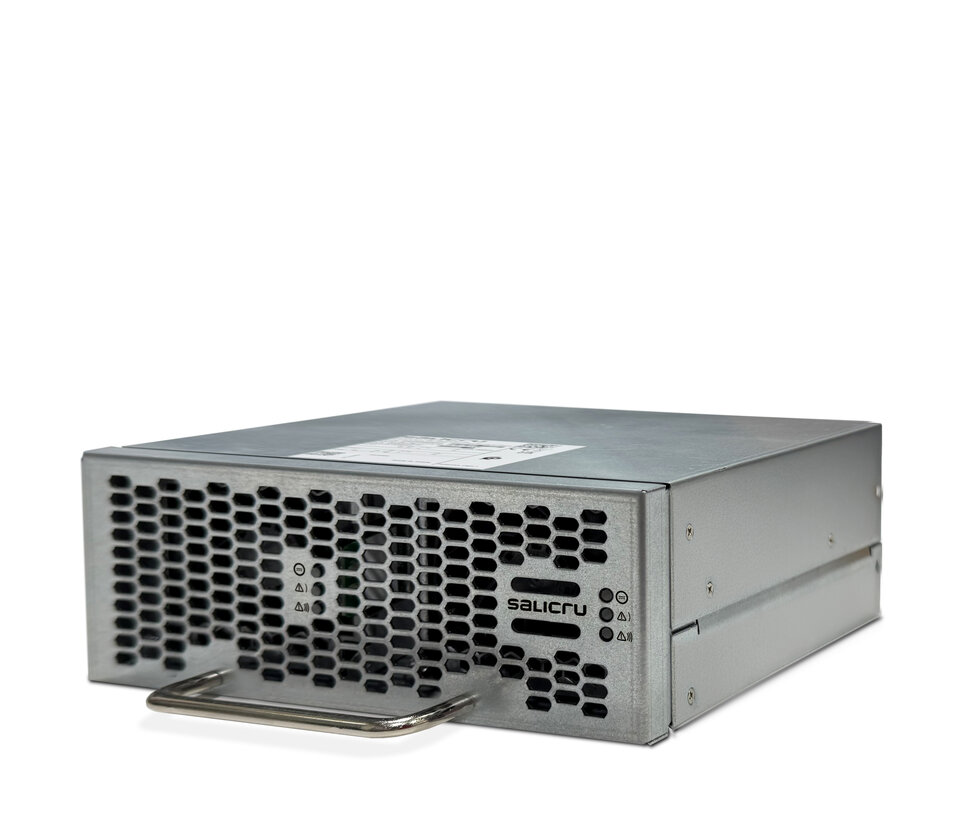
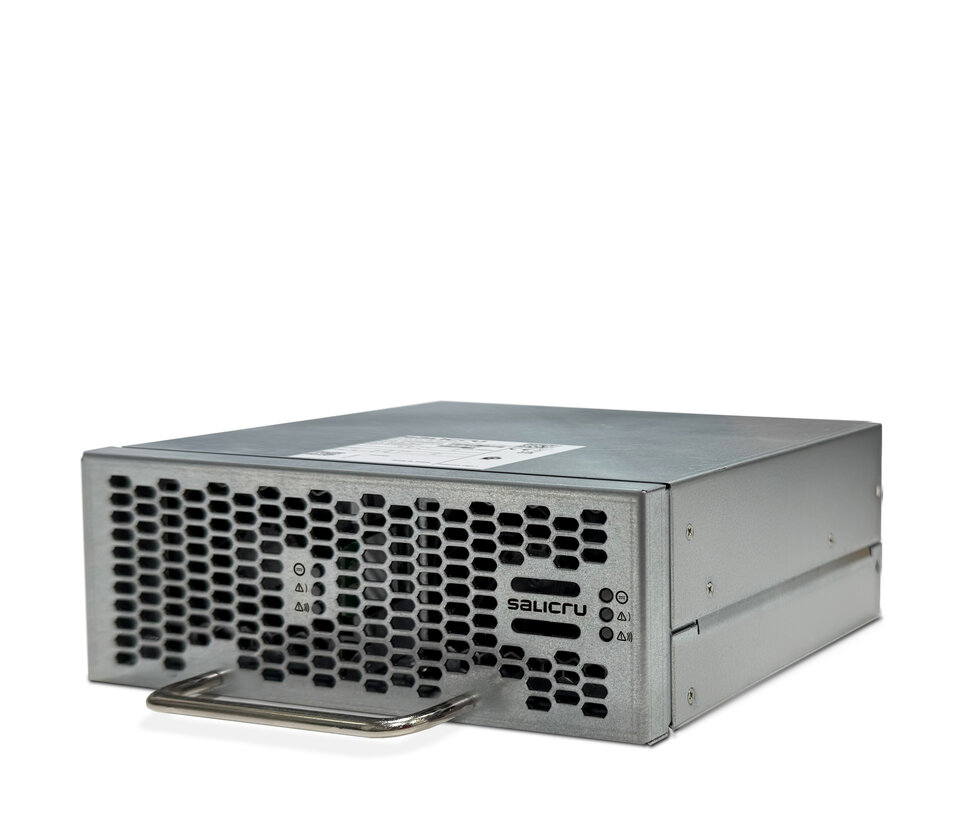
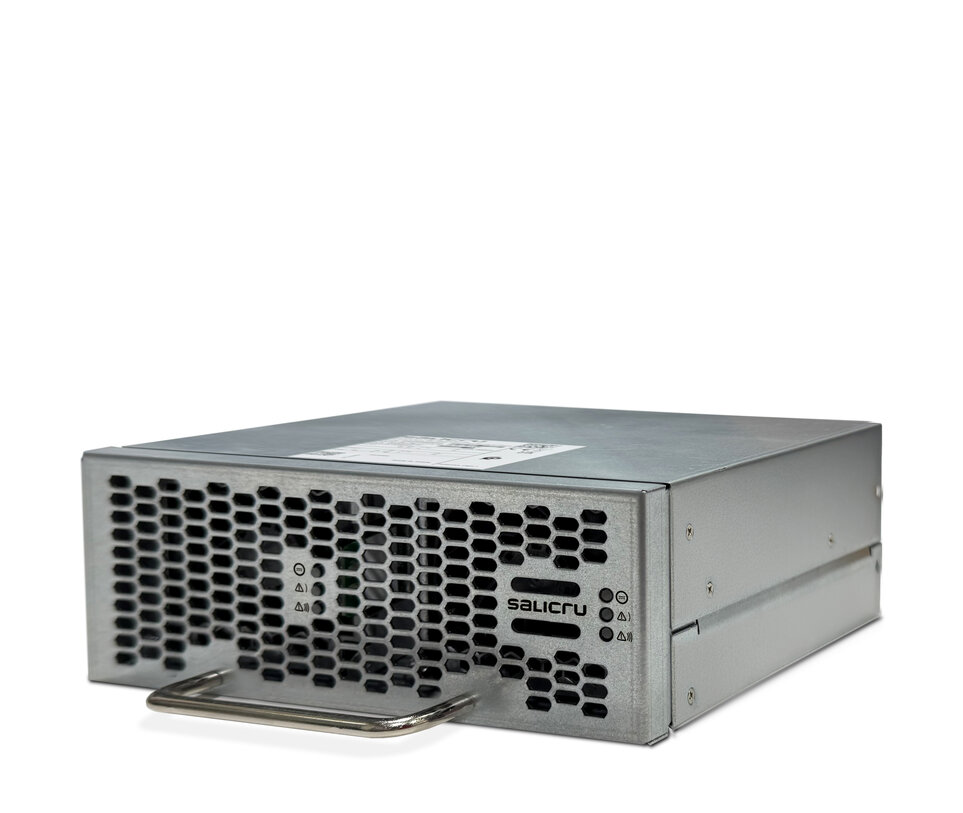
DC Power-SD systems are supplied as an integrated solution housed in a closed cabinet, with the option of incorporating batteries. The system consists of DC/DC converters modules, housing subracks, a DC distribution unit, a control and monitoring system, and a dedicated communications module.
The DC/DC converters are available in power ratings of 900, 1000, 1800, 2000 and 2700 W, and support output voltages of 24, 48, 60, 110 or 125 Vdc. Thanks to their modular architecture, it is possible to install 2 or 4 modules in a 19” 2U subrack, achieving high power density in a reduced footprint.
The control and monitoring system supervises input and output electrical parameters, controls battery charging currents, manages priority and non-priority loads, and handles the different external communication channels. This electronics platform allows systems of up to 21.6 kW to be configured, with the option of implementing N+n redundancy schemes.
The communications module includes three programmable relays, a battery temperature sensor and an RS-232/485 channel. In the extended version, it also adds a slot for a Nimbus Ethernet/SNMP adapter, an input for detecting electrolyte level in Ni-Cd batteries, and six additional relays.
Redundant protection for critical applications
Designed for environments where direct current power supply is critical, DC Power-SD systems are an ideal solution for applications in railway infrastructure, power utilities and substations, as well as in signalling, control, telecommunications, protection and auxiliary service systems. Their ability to guarantee a stable, efficient and highly available power supply makes them a key element in industrial and energy installations that require maximum reliability, service continuity and adaptability to different DC voltage levels. They allow the use of a charger/converter with battery at the input to operate with different output voltages depending on the application.


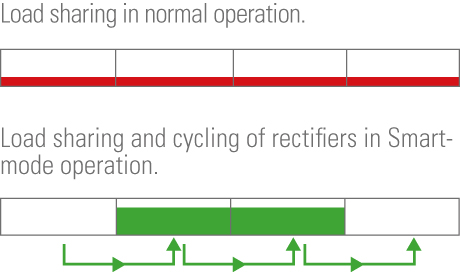
The DC POWER-SD rectifier system features an intelligent module rotation mechanism which, provided the load level allows it, delivers two simultaneous benefits:
- Extended system lifetime: The modules are sequentially taken offline to balance their usage, reducing individual wear and extending the overall service life of the system.
- Improved performance and reduced energy consumption: DC/DC converters modules achieve their highest efficiency at higher load levels. By reducing the number of active modules, each one operates with a greater share of the load, enabling optimal efficiency and lowering total energy consumption.
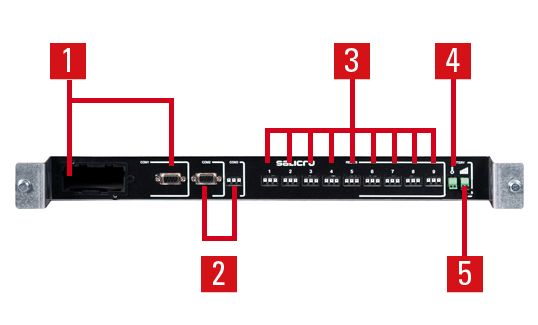
- Slot for the telemagement or RS-232 interface.
- RS-485 serial ports. MODBUS communication protocol.
- Programmable relay (x9) interface.
- Battery temperature measurement input.
- NiCd electrolyte level detection input. (1)
- Surge protector.
- Positive, negative or isolated output voltages.
- Sealed or open PbCa batteries, NiCd, etc.
- Extended communications module.
- Other degrees of IP protection.
- Conformal coating (tropicalization).
- Non priority loads disconnector.
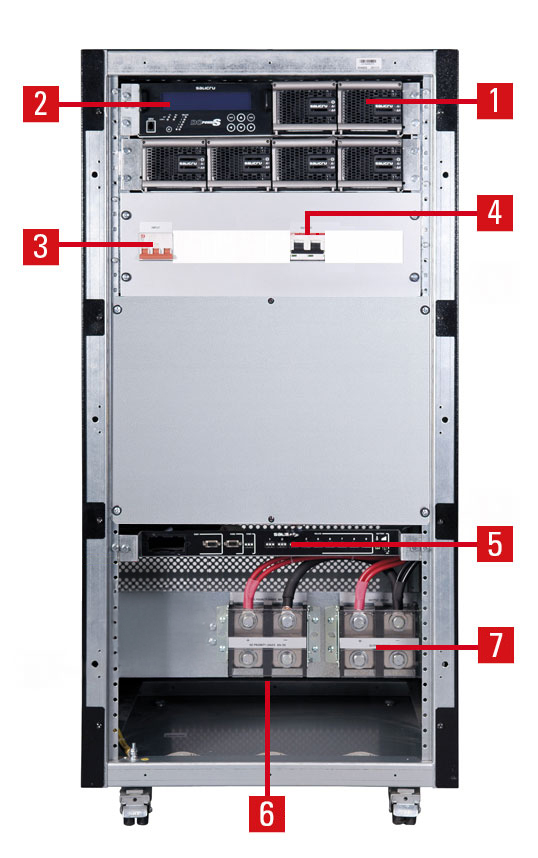
- Power module
- Centralised control
- Input protection
- Output distribution
- Extended communication
- Input terminals
- Output terminals


 MONTAWEB.com