




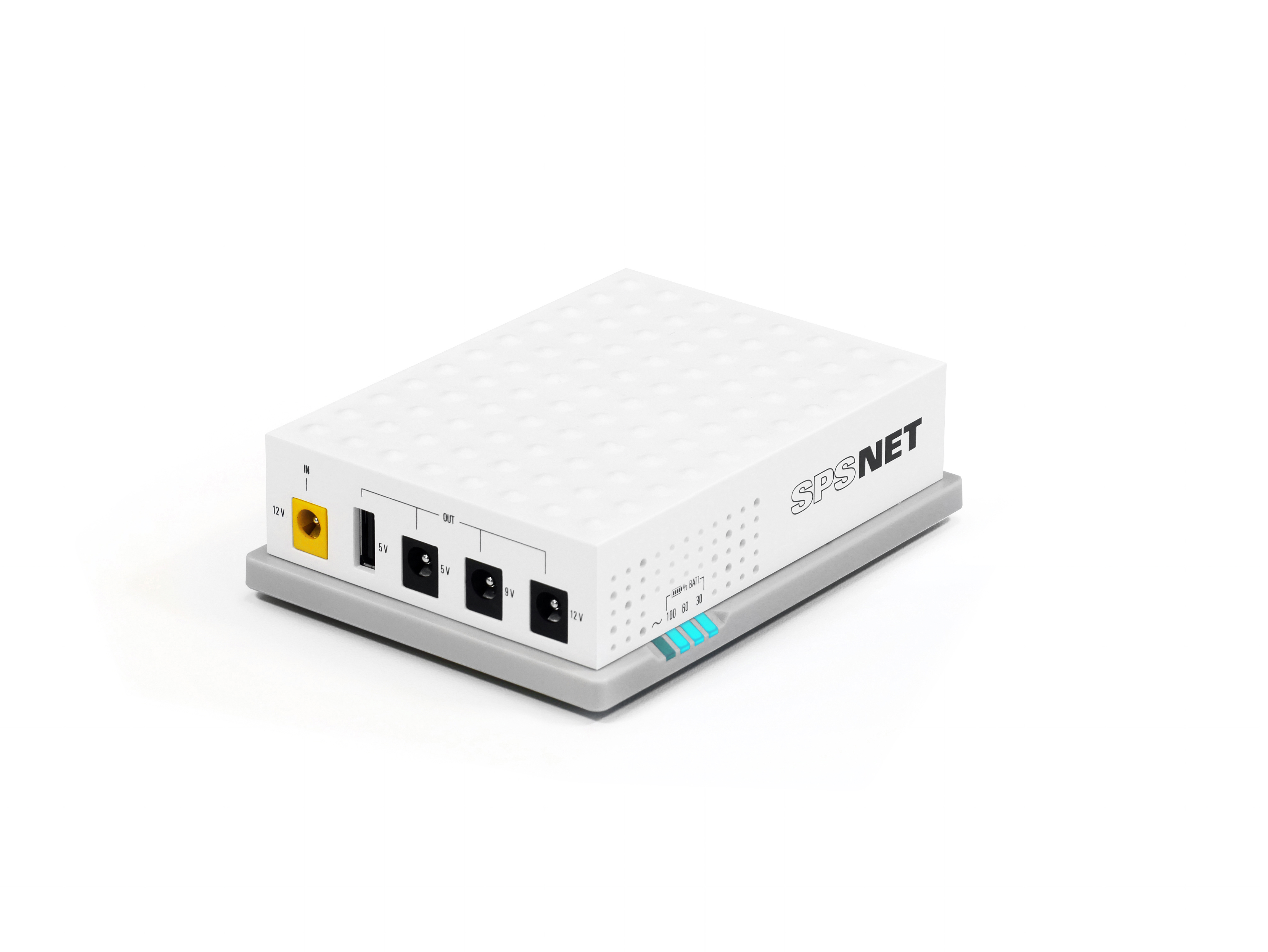



The first step prior to choosing a UPS (Uninterruptible Power Supply System) on the basis of its power is to know the total load that it will need to protect and the expectations for growth of that load in the future. The actual values of the critical loads that you wish to protect are not always known, because we may go too far with over-sizing, with the disadvantage of an excessive initial investment or the UPS may work far from its maximum performance, resulting in extra expense during operation, or we may under-size, which would leave no other solution than to change the equipment or add another to make up for the difference in loads that are not protected. The type of loads that will be protected and the type of UPS configuration that you want to use will determine the sizing of the UPS. If you opt for an installation of the parallel-redundant type, we must take into account that the entire load can be supplied by n-1 of the equipment that form it.
Considerations to be taken into account for correct sizing:
- Load Type: most of the current loads are of the electronic type, called non-linear, which absorb power with a peak value greater than 1.41. The crest factor is defined as the quotient between the peak value of the current and the effective value.
- Optimal Performance: to get the best performance from the system, it is desirable that the UPS works in the maximum performance area. The most optimum stretch is between 60% and 95%, with around 75% the appropriate point.
- Peak load values: especially at the moment of the inrush current of the electric load, the greatest demand for current occurs, which is much higher than the nominal loading rates, and so we have to anticipate this situation.
- Power Factor: you need to know this so that you can adjust it to the power provided by the UPS. Computer equipment moves between power factors of 0.65 to 0.9, the latter being the value for equipment with a power supply with active PFC.
- Load imbalances: in three-phase UPS equipment, each phase is measured to support a third of the total load. In facilities with load imbalances between the phases, the most highly charged phase will be the one that shows the least power of the UPS.
- Altitude of the system: there is a factor of power deterioration depending on the altitude at which the UPS is installed, which must be taken into account when making the final calculation of the power of the UPS. Up to the first 1000 m of altitude, the equipment operates at peak performance.
- Future expansion: it is customary for loads that are liable to be protected by a UPS to increase with the passage of time. Therefore, it is necessary to make an estimate of the possible increases in the loads within the estimated lifetime of the UPS.
Salicru has a consultancy service for advising the optimum solution in each case, based on all the aspects listed previously, to determine the sizing of the UPS.



 MONTAWEB.com