






News
Any well-designed electronic device must incorporate components that are made from the right materials, are an appropriate size for the device and are positioned correctly, in order to prevent heat from building up in a particular area.
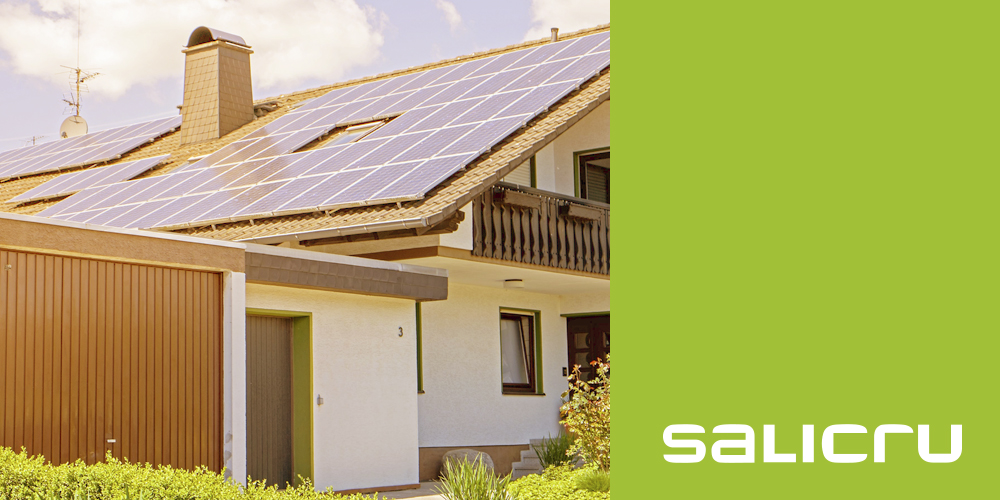
The best format for a solar inverter is horizontal, so that the surface area is the same but the airflow path is shorter, as this makes the dissipation process much more efficient. The components with the highest thermal load are located at the top of the device, so that when air enters via the bottom of the device it regulates the temperature of the components with a lower thermal load but remains cool enough when it reaches the critical area. Air should be circulated continuously.
It is also advisable to choose equipment that maintains the thermal bridge (e.g. by incorporating moulded dissipation fins into the housing instead of attaching a separate heat sink), as this will improve efficiency. If the equipment is designed so that fans are not required, the system will consume less power, need less maintenance and be less likely to break down.
It is also important to select the right inverter for the size and capacity of the photovoltaic system. An inverter that is oversized in relation to the solar panels can generate more heat than is necessary, which in turn increases the risk of overheating. However, with an undersized inverter, operating continuously at its maximum capacity, overheating is inevitable.





 MONTAWEB.com