




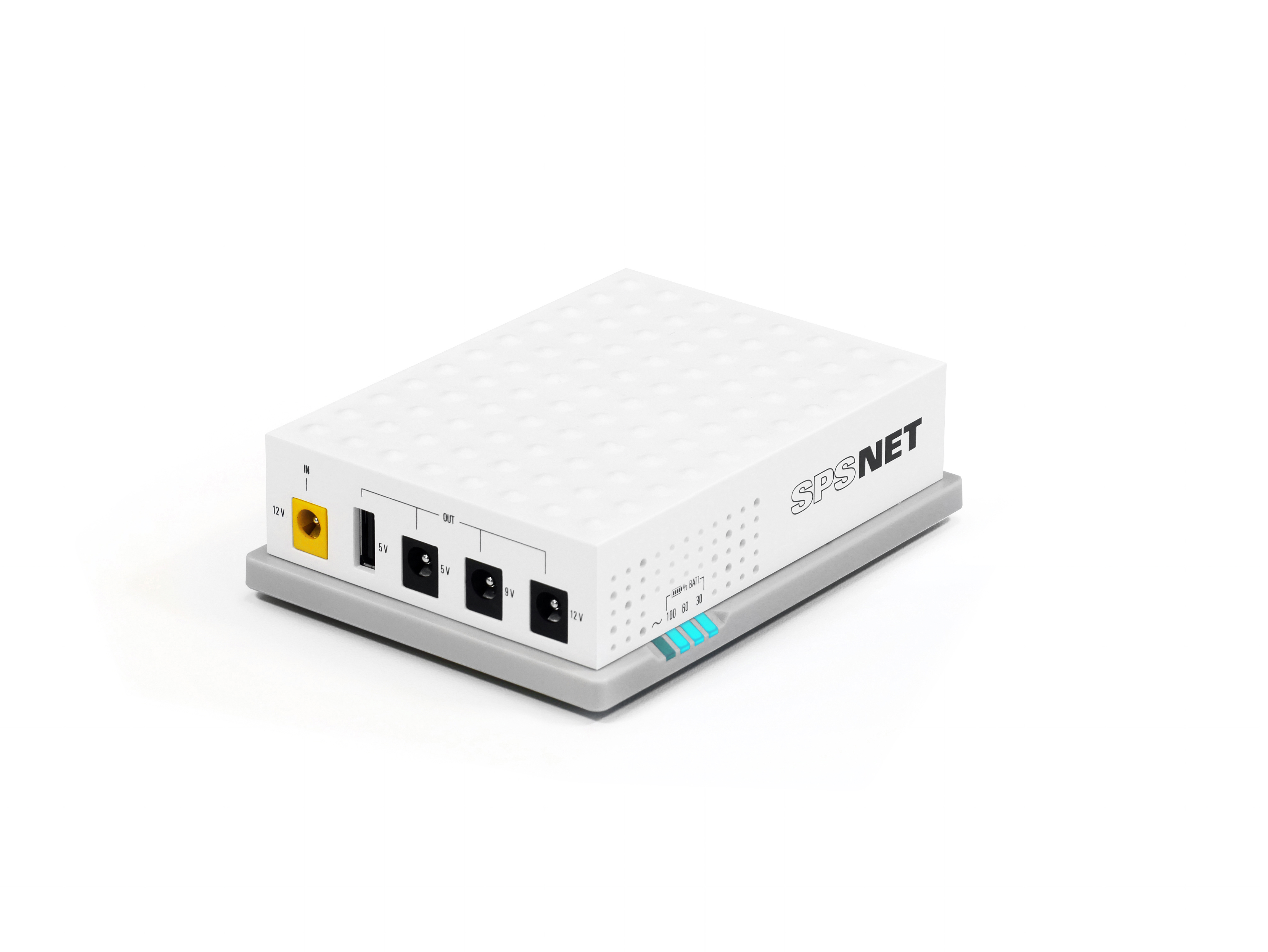


An interruption, even of milliseconds, can compromise the operation of an interlocking, a signalling cabin or a control centre. For this reason, our solutions are designed to protect critical loads against network disturbances and ensure service continuity at all times. All of them comply with current international railway regulations and are prepared to operate in severe environmental conditions, with extended temperature ranges, resistance to high humidity, electrical noise, harmonics, transients and electromagnetic demands. They have remote monitoring through industrial interfaces and are compatible with SCADA, BMS and predictive diagnostic systems.
Our product range meets the primary electrical needs of railway infrastructure in both alternating and direct current and has been designed to withstand harsh environmental conditions with extended temperature ranges and resistance to high humidity, electrical noise, harmonics, transients, and electromagnetic forces.
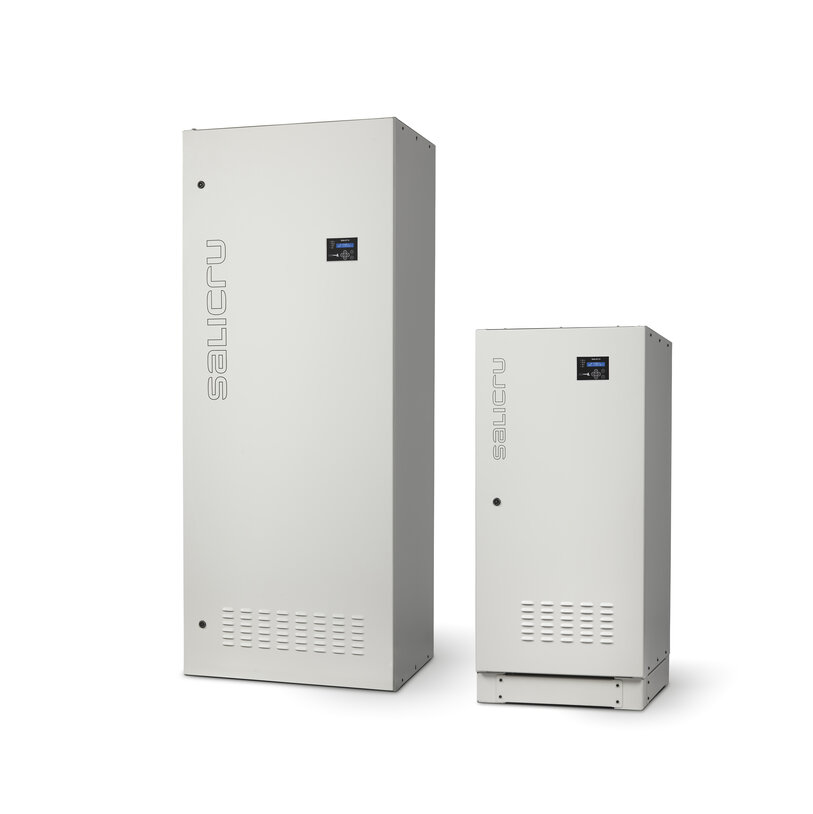
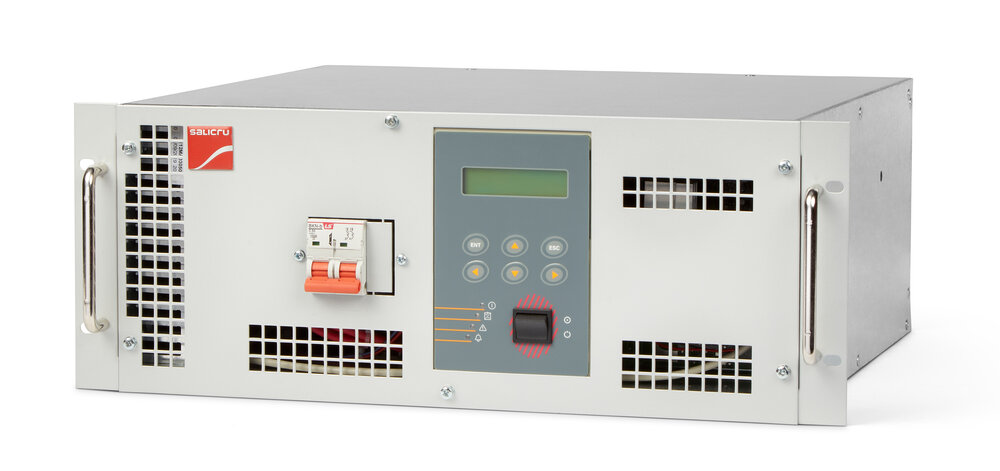
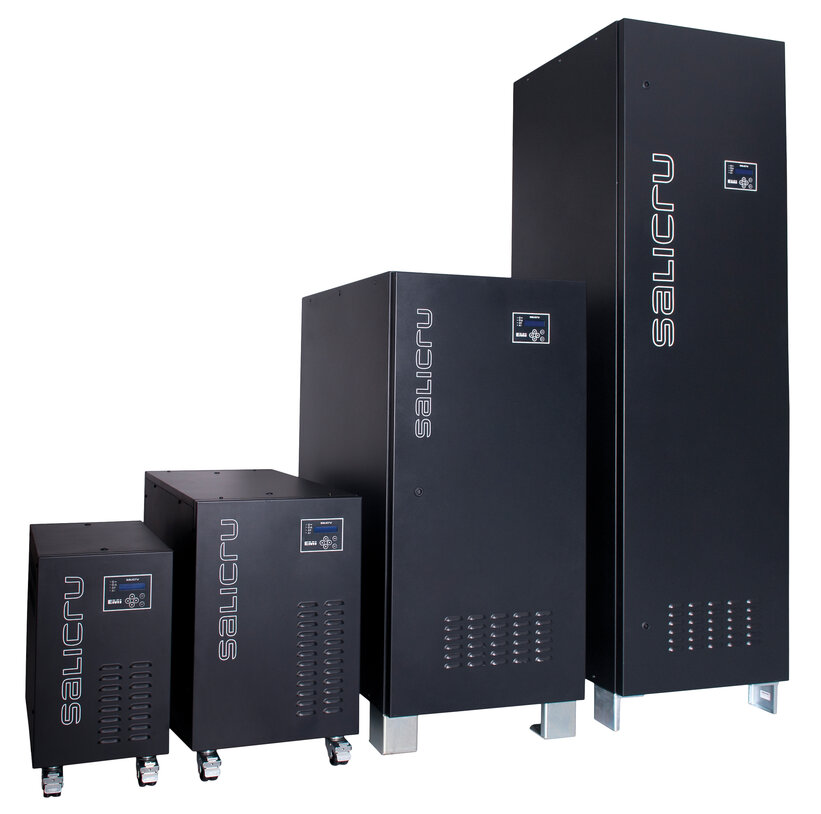
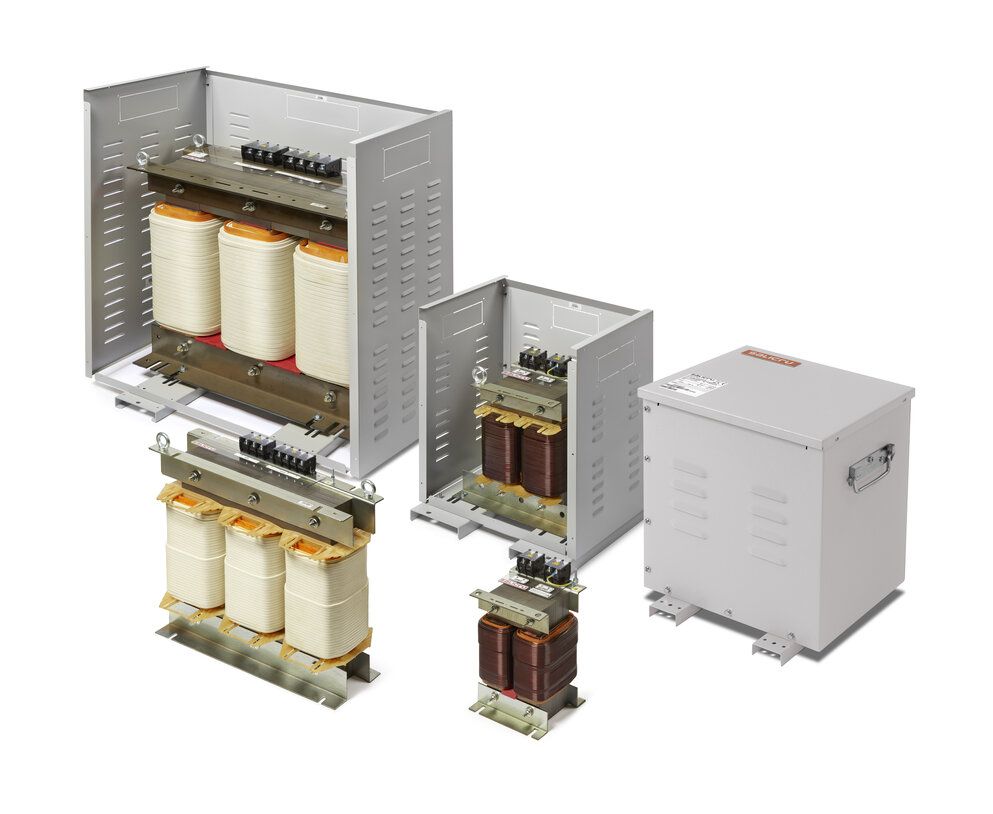
We offer on-line double conversion Uninterruptible Power Supply (UPS) systems with redundant modular architecture and parallel operation capability, ideal for signalling, electronic interlockings and control systems; DC power systems with rectifiers and stationary battery chargers, configurable in N+1 redundant mode, with output voltages from 24 to 220 Vdc and adaptable to various network topologies; high-efficiency DC/AC and DC/DC converters for the conversion and distribution of energy from battery banks to alternating or auxiliary loads; electronic or servomotor voltage stabilisers for dynamic and precise regulation of mains voltage in railway installations prone to drops or overvoltages, and isolation transformers and autotransformers.
The automatic detection of single-phase or three-phase input is one of the most important features in our projects. They’re especially useful when it comes to railway solutions, where power supply conditions can vary based on the connection point and technical constraints. The same solutions can also act as single-phase input to three-phase output converters, which is a highly sought-after feature that very few manufacturers offer.
Furthermore, we collaborate with a consolidated network of partners, including engineering firms and certified installers in the railway sector, which enables us to approach each project with a holistic vision, from the initial identification of the most suitable solution to startup, training, maintenance, and long-term after-sales support. These partnerships help us respond quickly and accurately to end-customer needs and guarantee the reliability of the installation throughout its entire life cycle. Our product range extends beyond the railway sector to include data centres, industrial automation, and telecommunications networks, offering solutions designed to provide unbeatable reliability.
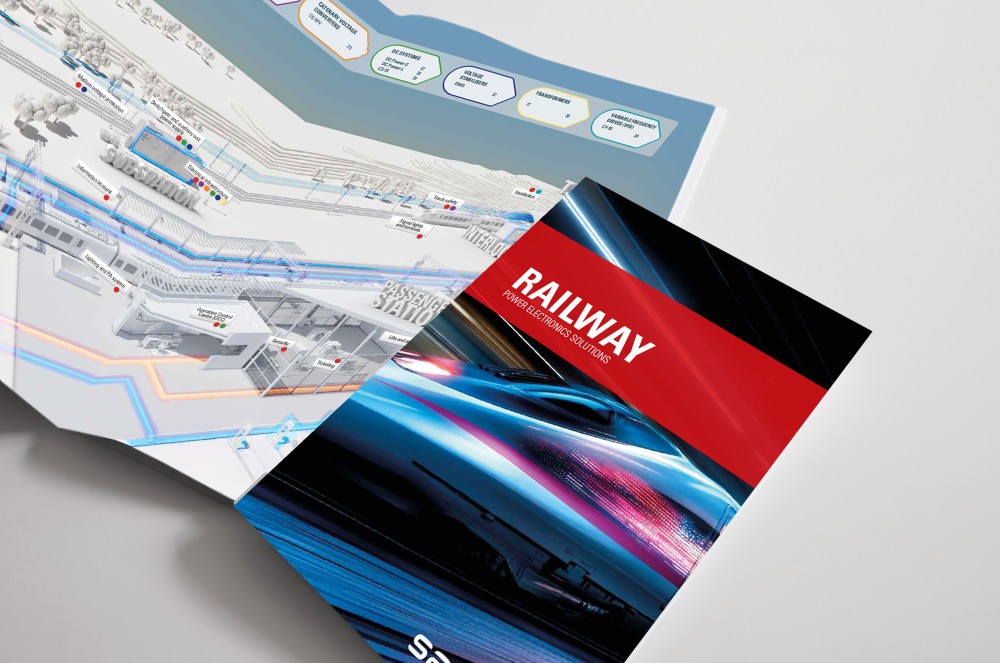








Our references include railway installations in metropolitan, conventional and high-speed transport networks. Each project is proof of our ability to adapt to technical requirements and comply with regulations while maintaining a commitment to operational reliability and energy efficiency.
We have established ourselves as a leader in advanced electrical protection systems across a diverse range of critical infrastructures. In Spain, highlights include supplying and upgrading modular UPS systems from the SLC ADAPT2 series, together with EMI3 stabilisers, IT isolation transformers
and DC POWER-S rectifiers for various high-speed lines, notably the Madrid–Seville high-speed line. This project follows others on the high-speed
network, such as the Madrid–Galicia line (which also has DC POWER-L chargers), the Madrid–Lleida section, the Vandellós–Camp de Tarragona line
and the Extremadura network, with SLC ADAPT models, EMI3 stabilisers and a large number of F-RW catenary filters.
Salicru has been actively involved in various high-speed rail projects in Egypt. The Cairo–Alexandria corridor has SLC CUBE3+ units installed, while 24 V rectifi ers and UPS units have been supplied for the Cairo–Behna and Asyut–Naga Hammadi routes. As with the Blue, Red and Green lines, these are modular SLC ADAPT2 systems.
The Tren Maya line in Mexico, one of Latin America’s most ambitious railway projects, features our modular DC POWER-L 125 V rectifier UPS units,
guaranteeing uninterrupted power supply to signal boxes, signalling and control systems along more than 1,500 km of track. The Bandirma high-speed
line in Turkey and the Rail Baltica project (Estonia, Latvia and Lithuania) in the Baltic countries both feature modular UPS and DC POWER-L rectifiers.
Multiple UPS solutions, isolation transformers, rectifiers and batteries have been deployed on conventional Spanish lines section, including substations.
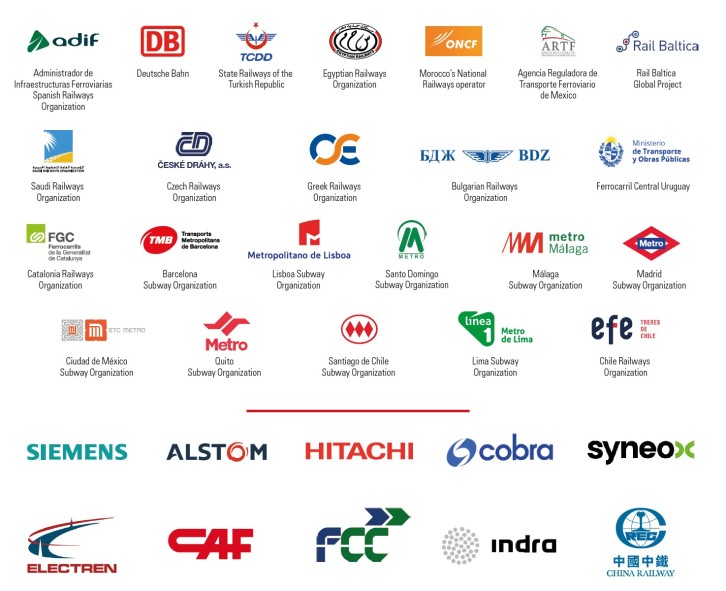
ADIF’s safety and communications systems in Barcelona are equipped with our SLC ADAPT2 series, as are all FGC (Catalan Government Railways)
signal boxes, where each one has a module that can be adapted to three-phase, single-phase or three-phase 220 V systems.
The most important projects in the urban and conventional sector include our collaboration with TMB for the Barcelona and Madrid underground
lines (SLC ADAPT2), and the CAF for the Uruguay rail network (SLC ADAPT2 and SLC CUBE3+). We have also supplied 30 kVA single-phase UPS units and frequency converters for the Quito underground and for the Sofia (SLC CUBE3+ and IT transformers) and Constantina (SLC CUBE3+) metro systems.
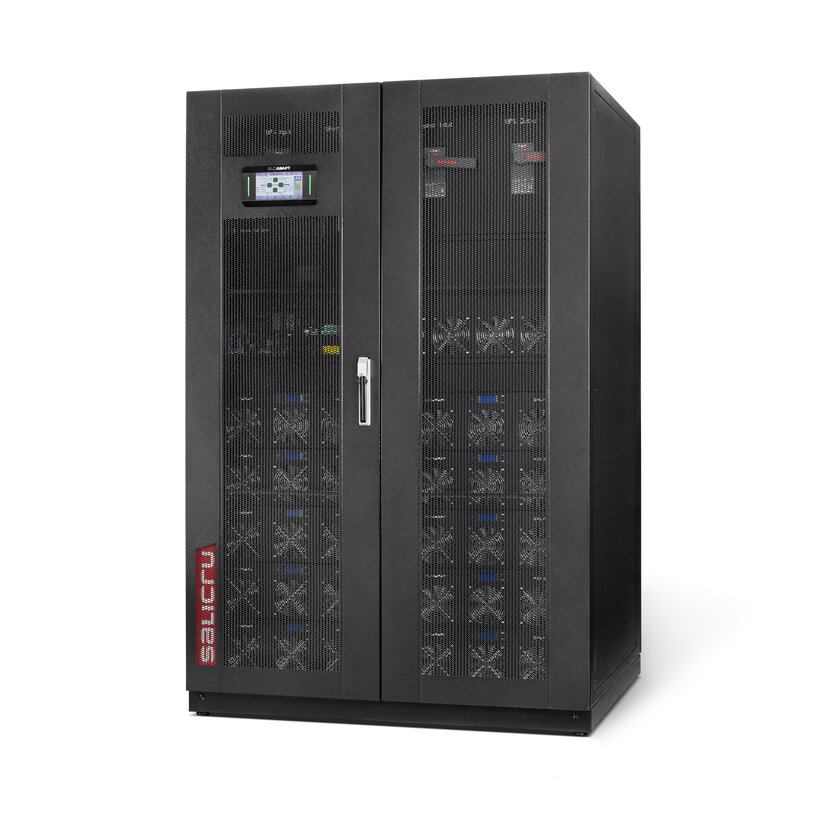
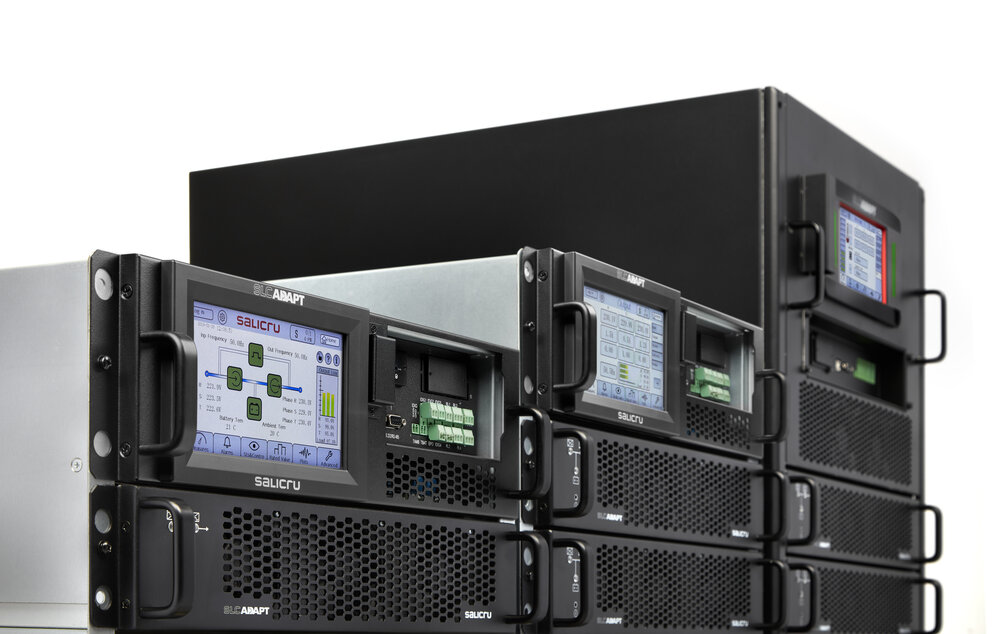
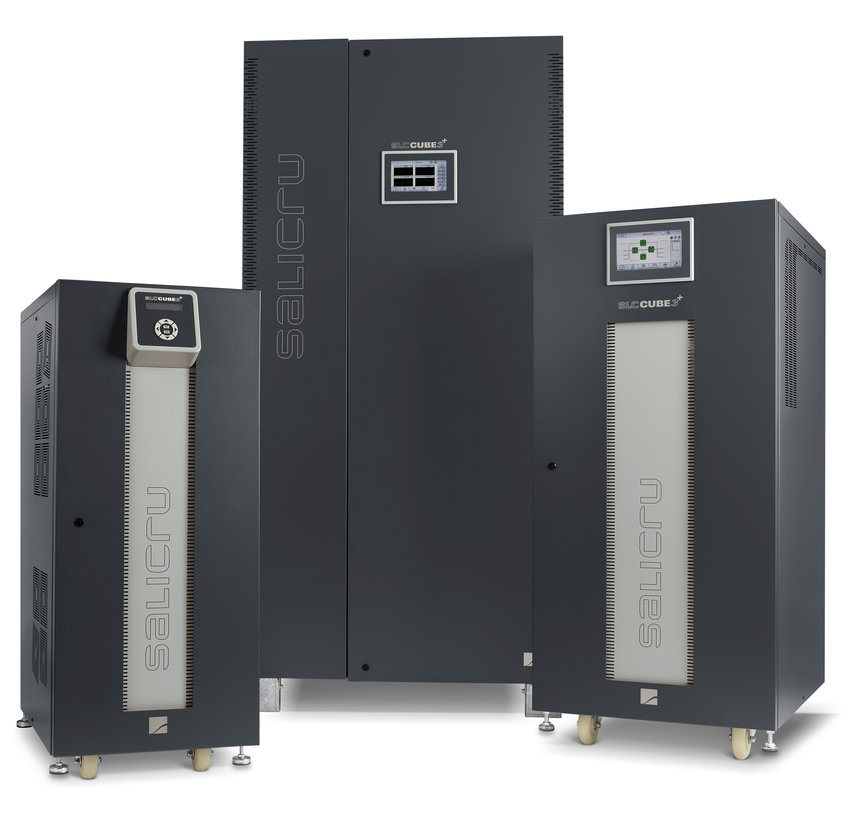
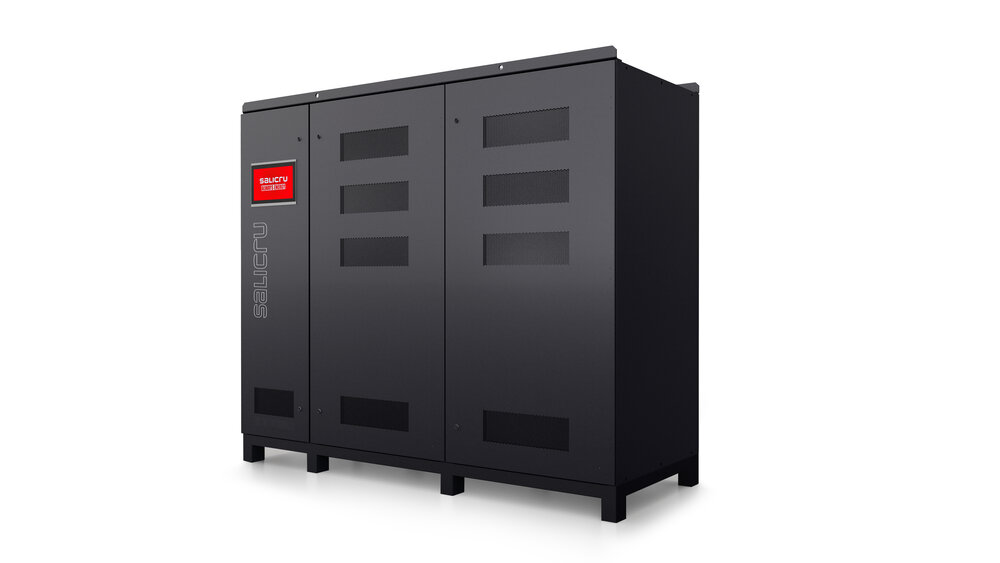
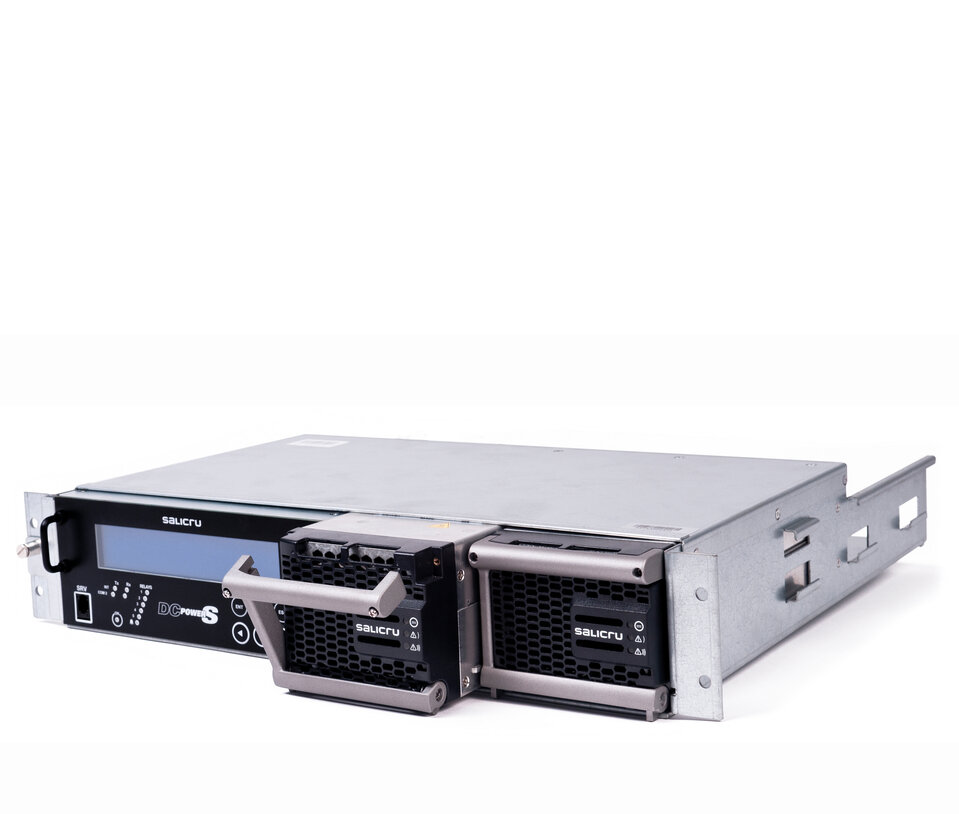
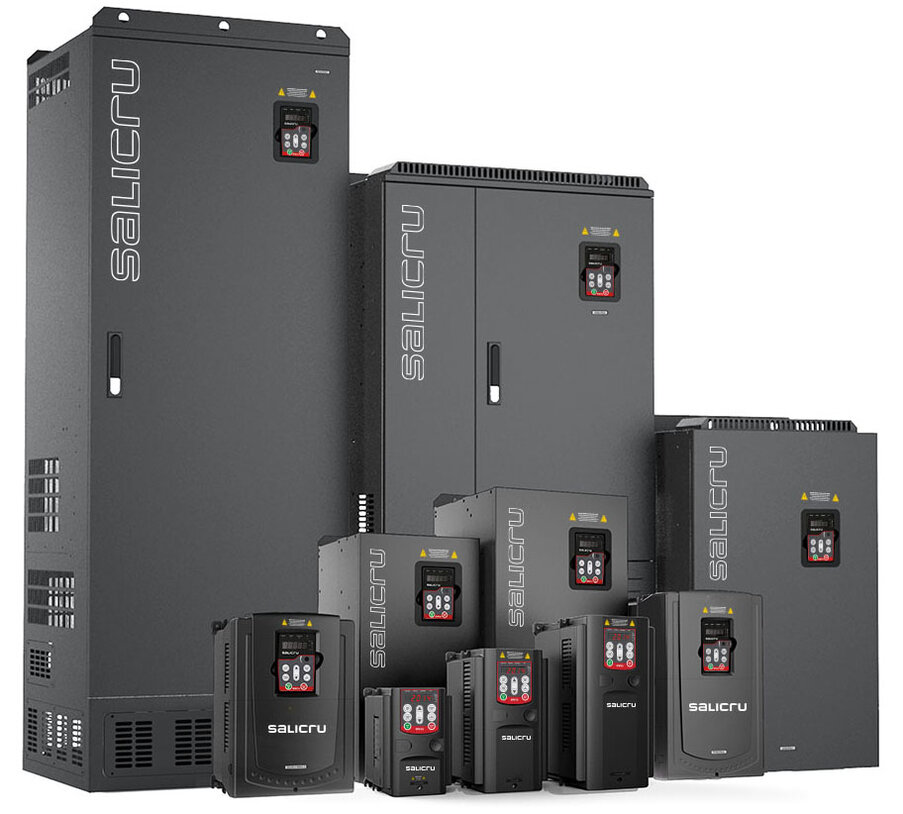

Salicru has been commissioned to supply various pieces of energy protection equipment to the Madrid-Seville high-speed railway line (AVE), the first railway infrastructure of its kind to be put into operation in Spain, which this year celebrates its 30th anniversary. The new project adds to our company's considerable experience in supplying other high-speed rail lines, both at home and abroad
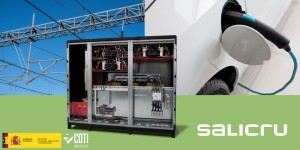
ADIF, the Spanish state rail operator, is looking to monetise its high-power electrified rail infrastructure – whose energy potential is currently under-used – by recovering braking energy from trains and installing charging points for electric vehicles (EVs) at 1,500 stations across the rail network. Salicru is developing a prototype system that will enter the testing phase in early 2024.
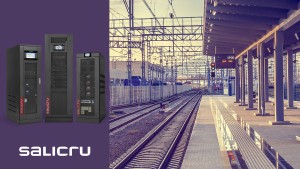
Transport networks undoubtedly constitute an essential component of a country’s critical infrastructure, alongside other key facilities such as energy and water systems. Whether for transporting people or goods, airports, ports, roads and railways are fundamental to social and economic development.


 MONTAWEB.com