






- Integration of renewable energy: The plant’s geographical location makes it an ideal candidate for using solar energy to power its operations, thus reducing dependence on conventional energy sources and the environmental impact of its operations.
- Food safety: Maintain a constant operation of critical production and refrigeration equipment to ensure food safety and quality.
- Energy resilience: Strengthen the energy infrastructure to cope with power outages and variations in solar energy production.
- Advanced monitoring and control: Implement an energy management system to optimise the use of solar energy and backup power, with the ability to adapt to fluctuations in energy demand.
- Comprehensive energy assessment: Conduct a detailed analysis of the plant’s current and projected energy consumption to size the UPS systems and PV inverter capacity adequately. Consider seasonal variations in solar energy production to ensure optimal energy coverage throughout the year.
- Selection of appropriate technology: Choose UPS systems that offer the highest possible efficiency with scalability capabilities to accommodate the future growth of the plant. Opt for high-quality PV inverters that maximise the conversion of solar energy into electricity and offer advanced management and monitoring functions.
- System integration: Design an infrastructure that enables seamless integration between PV and UPS systems, ensuring a smooth transition between energy sources without affecting critical operations. Implement a centralised energy management system to efficiently control and optimise energy consumption, solar production and energy backup.
- Maintenance and training: Establish a preventive maintenance programme for the UPS systems and solar panels, ensuring optimal long-term operation. Train technical staff to operate and maintain the PV and UPS systems to ensure a rapid response to any incidents.
- Sustainability and efficiency: Prioritise the adoption of sustainable practices in all phases of the project, from hardware selection to operational management, to minimise environmental impact. Constantly evaluate new technologies and energy efficiency practices to incorporate any improvements that could help to reduce energy consumption and operating costs.
- Emergency preparedness: Develop and maintain an energy contingency plan that includes clear procedures in the event of a failure of the solar power supply or UPS systems, ensuring continuity of critical operations without compromising food safety and quality.
The solution adopted by the food manufacturing and packaging chain included the implementation of Salicru’s SLC X-TRA system, in conjunction with 10 100 kW EQUINOX2 T inverters to maximise the use of solar energy and an SLC Energy Manager to monitor performance.
The SLC X-TRA was integrated as a central UPS system to guarantee an uninterruptible power supply to the most critical equipment, particularly in production and refrigeration areas, where continuity is essential for food safety. The system uses EQUINOX2 T inverters to convert the generated solar energy into alternating current that is compatible with the plant’s internal power grid, thus enabling the efficient integration of renewable energy into the manufacturing and packaging process. It also monitors production, consumption and surplus with data from the SLC Energy Manager via the Nimbus app.
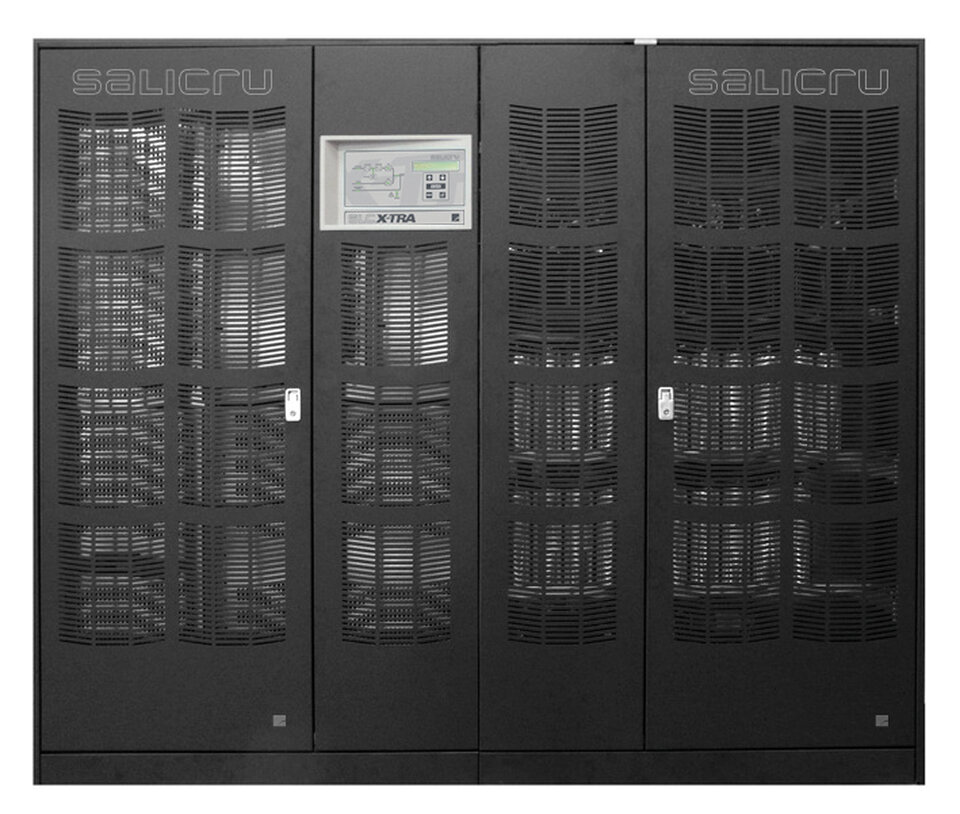
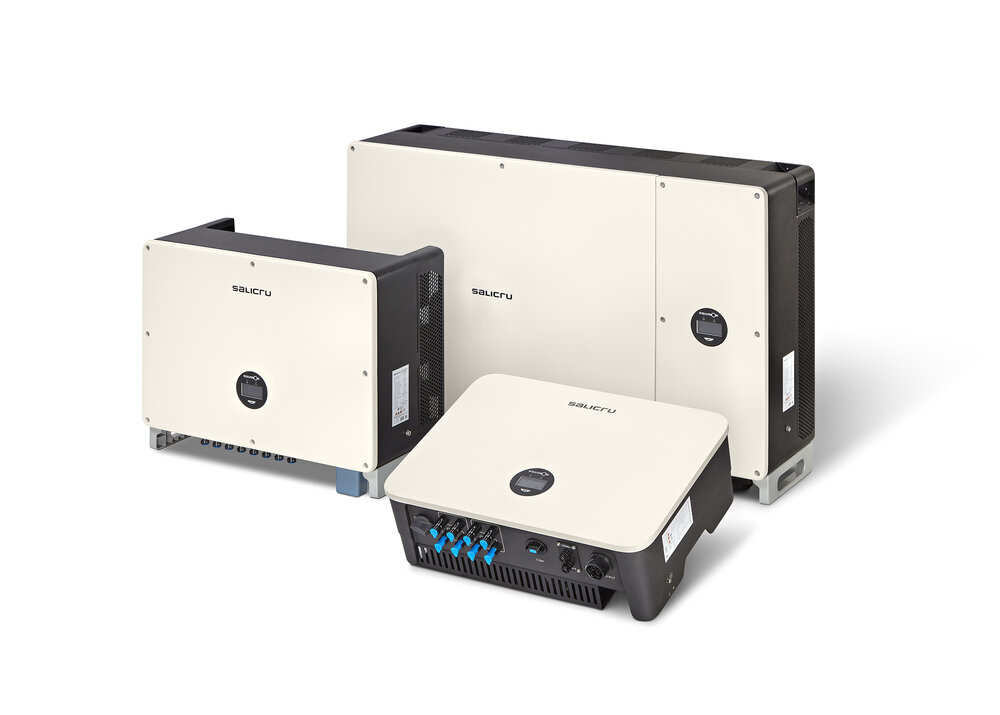
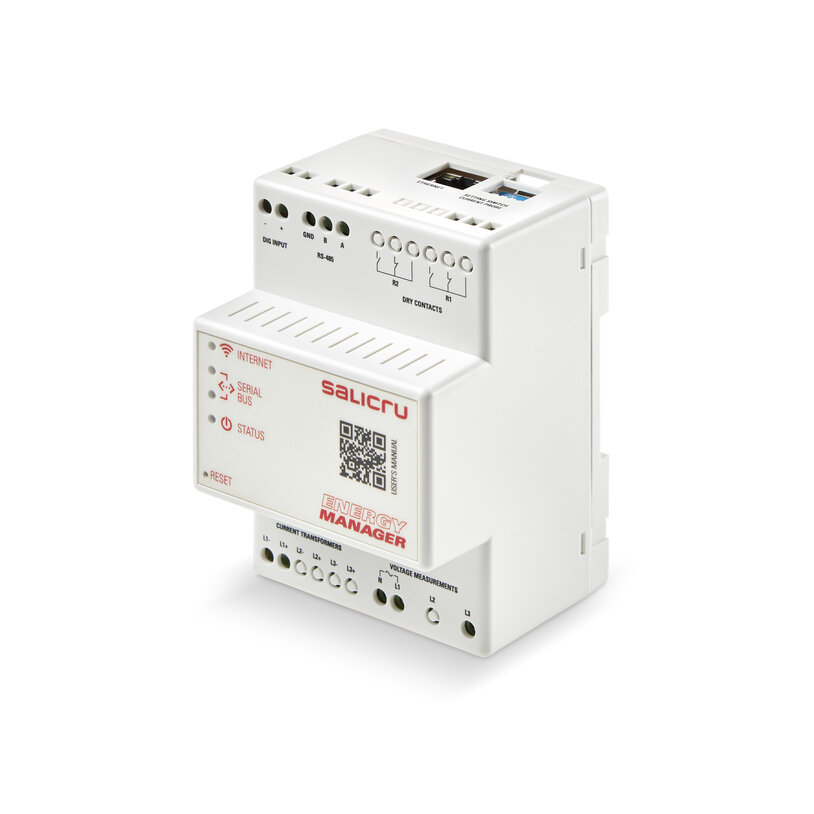
- Optimisation of renewable resources: The combination of the SLC X-TRA UPS with EQUINOX2 T inverters has enabled the food manufacturing and packaging chain to maximise its use of solar energy, contributing significantly to its sustainability goals.
- Food safety assurance: The implementation of an uninterruptible power supply system ensures the continuity of critical operations, maintaining the integrity of the cold chain and the quality of the foods.
- Resilience to energy fluctuations: The improved energy infrastructure provides a robust response to variations in solar energy production and possible power outages.
- Energy efficiency and control: The advanced energy SLC Energy Manager facilitates detailed monitoring and an optimum balance between solar energy production and plant consumption, ensuring efficient and sustainable operation.
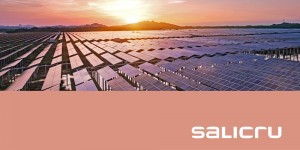
Salicru's 160 12.5 kW Equinox solar inverters will provide the backbone of the plant, ensuring optimum performance and unprecedented energy efficiency. Located in La Unión (Cartagena), the photovoltaic generation plant represents a significant advancement in the production of renewable energy in Murcia.
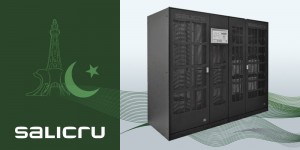
A major multinational snack and beverage manufacturing and packaging company has successfully completed the installation of 1800 kVA of SLC-Xtra Uninterruptible Power Supply (UPS) systems at its main plant in Pakistan. This Salicru series offers high-performance protection for critical applications in various sectors and is particularly aimed at industry.
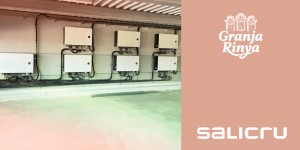
Salicru recently installed a range of energy equipment at Formatgeria Granja Rinya, one of Spain’s biggest cheese manufacturers. The collaboration included the installation of EQUINOX2 T inverters and an energy manager.


 MONTAWEB.com