






News
The rise of photovoltaic solar energy is undeniable, to such an extent that in countries like Spain, it already accounts for more than 25% of the country’s total electricity capacity and has become the primary source, surpassing wind power.
Projections for 2024 indicate that 17% of total electricity production will come from solar photovoltaic energy, and it is expected that this percentage will continue to rise due to new installations and improved performance.
While the increase in production capacity will, of course, involve constructing or expanding solar facilities, it will also entail modernising existing facilities to optimise efficiency and extend their useful life. This upgrading process is known as revamping, and it will play a key role in consolidating the energy transition by facilitating the modernisation of infrastructure that supports clean and sustainable energy generation.
Efficient power
Photovoltaic solar energy generated 44,520 GWh in Spain during 2024, a record high influenced by three main factors: particularly favourable weather conditions, the expansion of infrastructure and the introduction of new technical advances.
One of the main objectives of this technological modernisation is to extend the useful life of installations, some of which are already decades old. In this situation, the components and equipment may have become obsolete or stopped functioning correctly, or there may simply be newer alternatives that not only offer improved performance but also enhanced efficiency, and probably at a lower price.
The new-generation products are also known for their higher reliability rates, which provides the dual benefit of reducing maintenance costs and increasing uptime, thereby increasing profit margins and improving the reputation of manufacturing and distribution companies.
Another noteworthy aspect is the potential for implementing new solutions that enable fast and comprehensive monitoring and analysis of key parameters in electricity generation, such as the amount of power being produced and consumed and the balance with the electricity grid based on the power being fed in. The remote monitoring of inverters, for example, optimises performance by providing comprehensive oversight of the installation’s efficiency, leading to financial savings and reduced carbon emissions.
Upgrading the existing equipment could entail either a partial or total replacement of the solar panels or the inverters. Nowadays, solar panel efficiency is around 20%, an improvement over the 15% efficiency commonly seen a few years ago. One option, therefore, is to maintain the total power output while reducing the number of panels, as the newer panels are more efficient.
Power generation optimisation can also be achieved through MPPT (Maximum Power Point Tracking), which is increasingly compatible with a variety of voltages and environments, leading to improved efficiency.
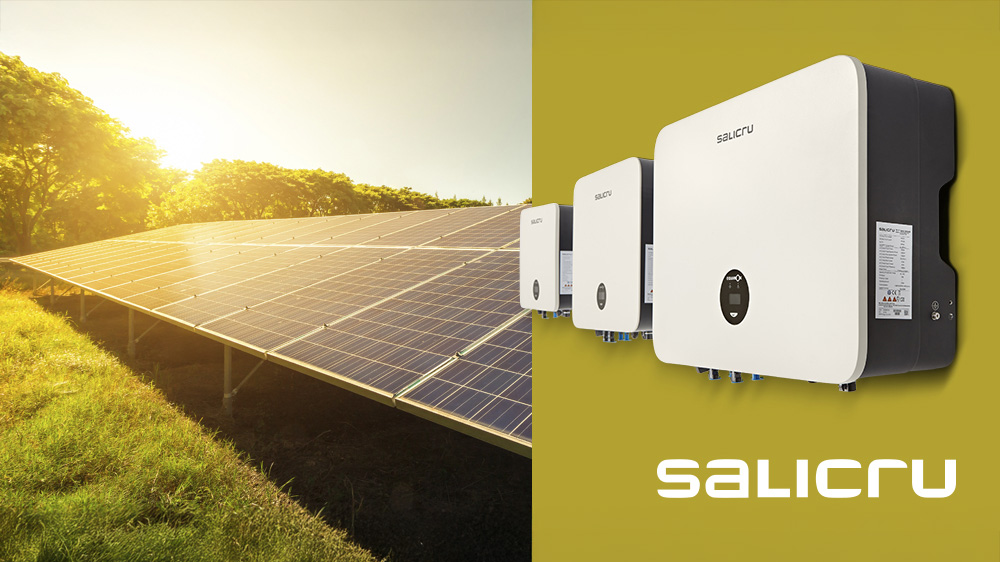
Additionally, advanced inverters like the Equinox2 HT+ from Salicru achieve nearly 98% efficiency, ensuring flawless energy conversion and compatibility for grid injection. The option for installation in both indoor and outdoor settings, along with the addition of cutting-edge MPPT technology and remote monitoring features, guarantees that you’ll enjoy optimal conditions for generating clean, reliable, and profitable electricity for years to come.






 MONTAWEB.com