




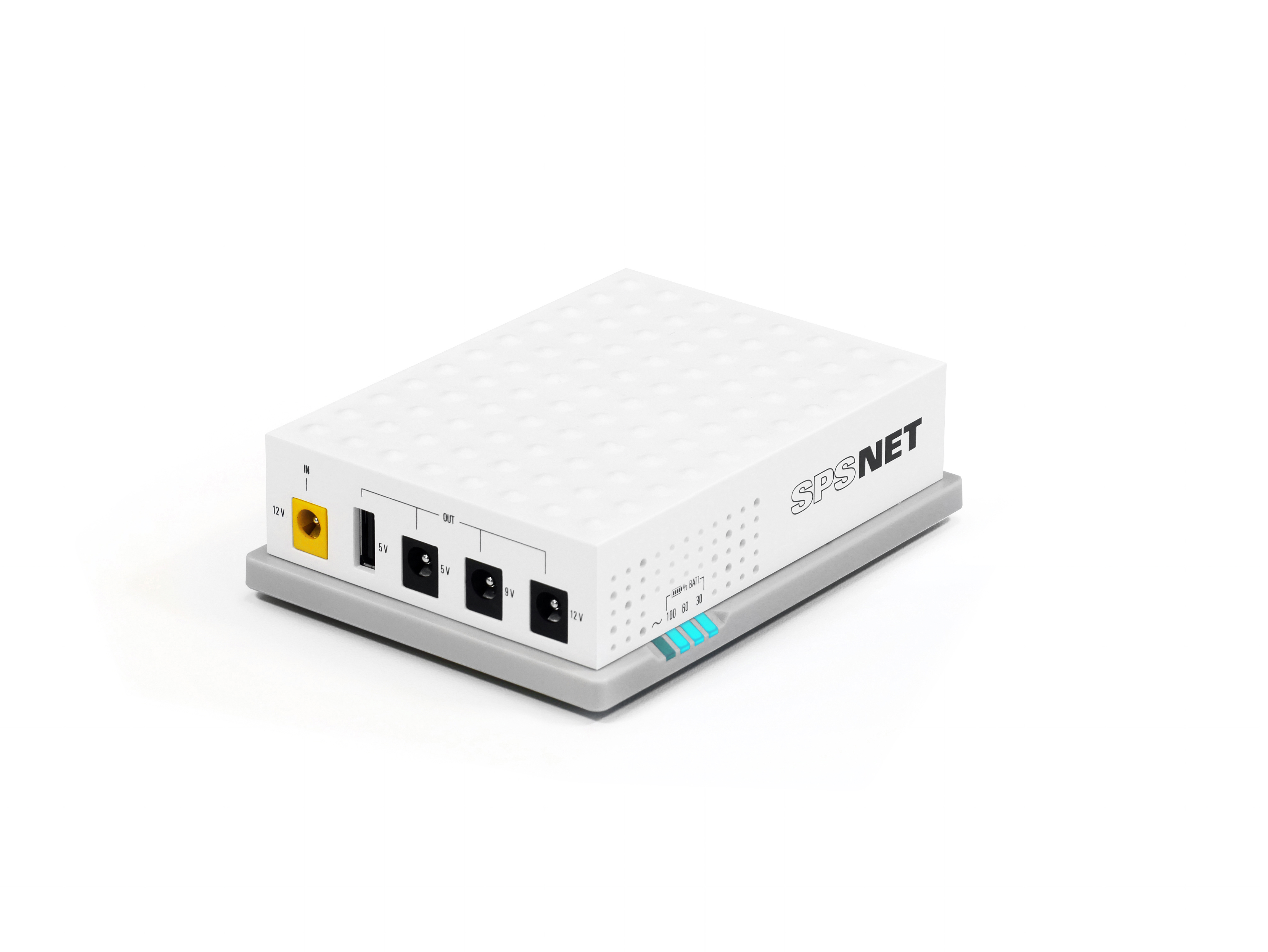


What is an Uninterruptible Power Supply system?
Uninterruptible Power Supply (UPS Systems) are redundant power supply devices that store power in a battery to which electronic equipment can be connected. They act as a firewall between the mains supply and the equipment. During an outage, overvoltage, voltage dip, etc., they provide continuity in the alternating current supply by transforming the direct current from your battery into an alternating current with the same properties as the commercial supply, having cleared it of any disturbances.
When we talk about electrical disturbances, we’re referring to abnormal events in the electrical system that affect the quality of the power we receive. Let’s imagine the electrical grid as a road along which electricity travels. Under normal conditions, this road allows energy traffic to flow steadily and safely; however, sometimes, certain circumstances can disrupt this normal flow: collisions, traffic jams, construction work, etc. These disturbances can be caused by various factors and result in voltage fluctuations, potentially damaging any equipment directly connected to the supply. Conversely, system overloads can occur, whereby there is too high a demand for electricity so the system experiences blackouts, power outages, or voltage dips that can impair the capacity of the microcomponents.










Today’s electronic components increasingly deliver better performance in a smaller size. However, as a result, they are also more sensitive to electrical loads, which is why it’s advisable to ensure the power supply is disturbance-free. A UPS system is the first layer of protection for the connected loads, as it not only provides a safe, uninterruptible, high-quality power supply during a power outage but also corrects the fluctuations caused by different disturbances in the electrical network.
Therefore, in addition to its ability to keep devices connected even when there is a power outage, a UPS system can also provide cleaner and more stable power to connected devices like computers, machinery, security systems, data centres, routers, and large infrastructures such as healthcare facilities or railway installations.
In the event of an electrical disturbance, the job of a UPS system is to keep the devices connected to its system switched on for the required amount of time so as to protect them from possible faults caused by fluctuations in the electrical network and to allow them to switch off correctly, safeguarding their content and associated applications, in addition to extending their useful life.
Depending on the circumstances, it will maintain the capacity of the power supply until the power input is corrected (e.g. with a generator). In the event of a mains failure, the operating or backup time during which the connected loads can continue to be powered depends on the nominal power of the UPS system, its battery type, the number of batteries and the number of devices connected to it: the more devices connected, the shorter the battery life. Depending on the type of use, the backup time can vary from minutes to hours.
One of the drawbacks of today’s technological advances is our increasing dependence on the correct functioning of the IT and electronic systems that surround us. These systems play an essential role in our everyday lives, which is why it’s crucial they receive an adequate power supply and, perhaps even more importantly, that their power supply is uninterrupted.
What would happen if operating theatres were plunged into darkness in the middle of an operation? Or if air traffic control radars or traffic lights suddenly lost their power supply? What about the potential impact of a power outage during data transfers, electronic stock exchange transactions, or the operation of advanced manufacturing machinery?
Studies confirm that the main factor in data loss in the world of work is not cyber-attacks but power outages, which account for up to 40% of all data loss.
Uninterruptible Power Supply Systems (UPS) prevent all these circumstances from happening and, therefore, have an impact on both the well-being of our daily lives and the competitiveness of our professional activities. They provide sufficient power to prevent system failures caused by power outages and improve the quality of the mains voltage, thus preventing the electrical, electronic and IT equipment connected to them from impacts that can reduce the length of their operating life.
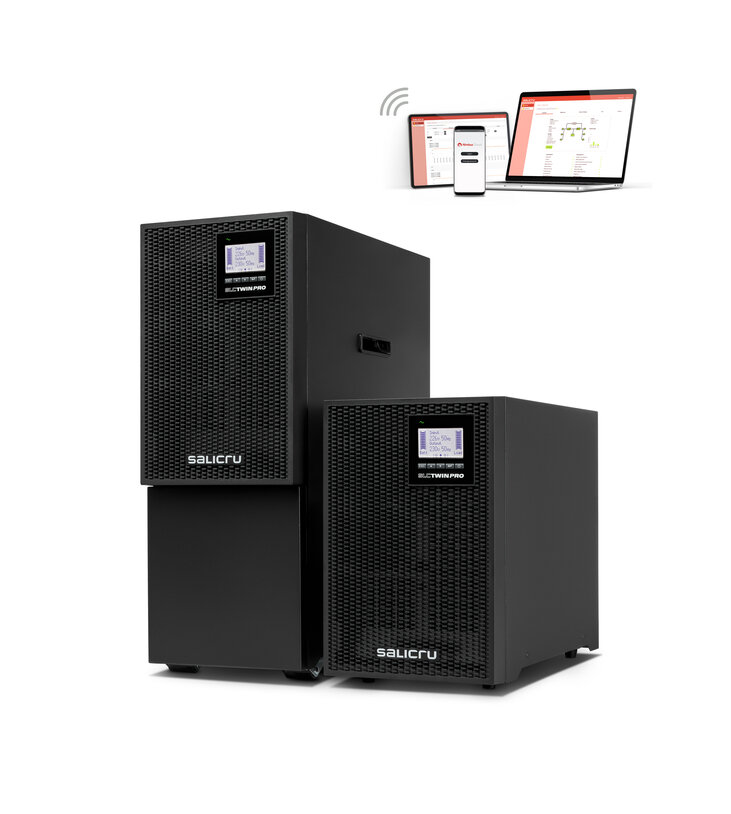
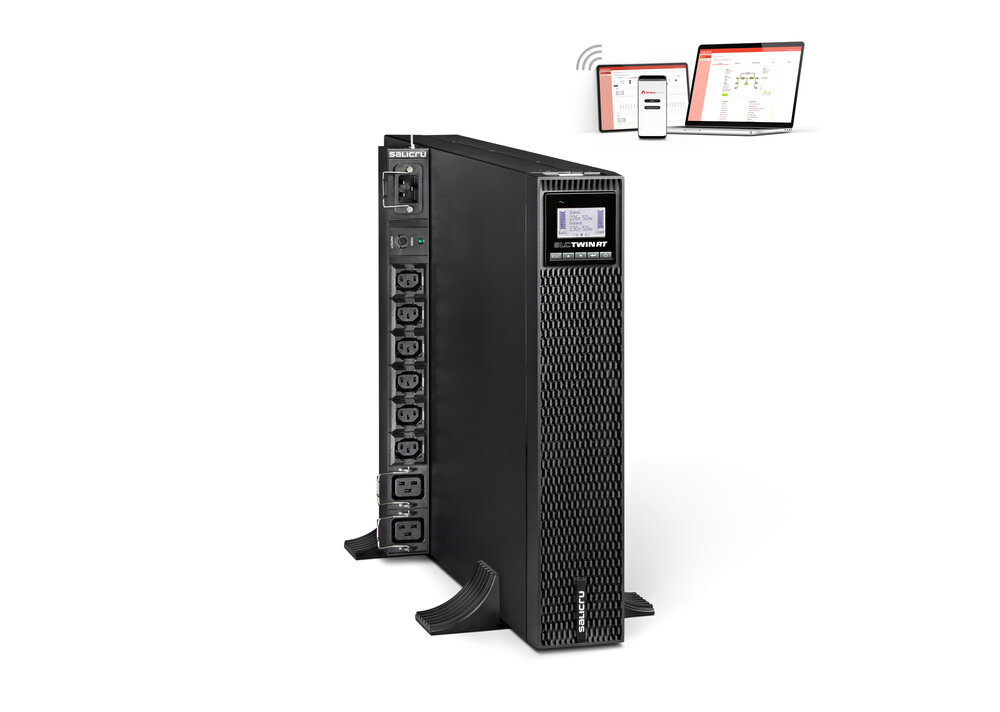
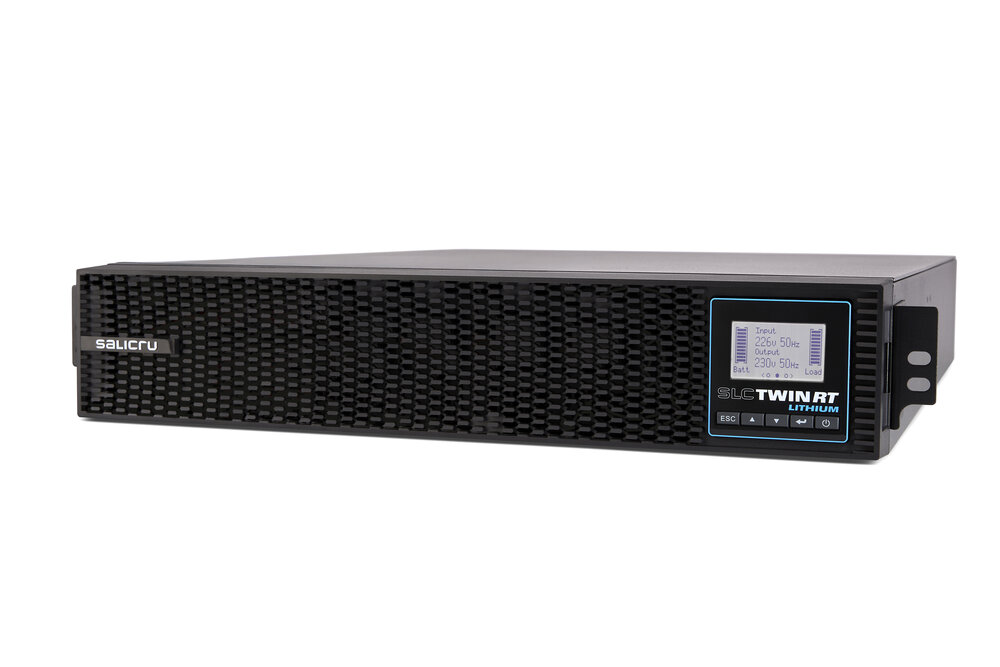
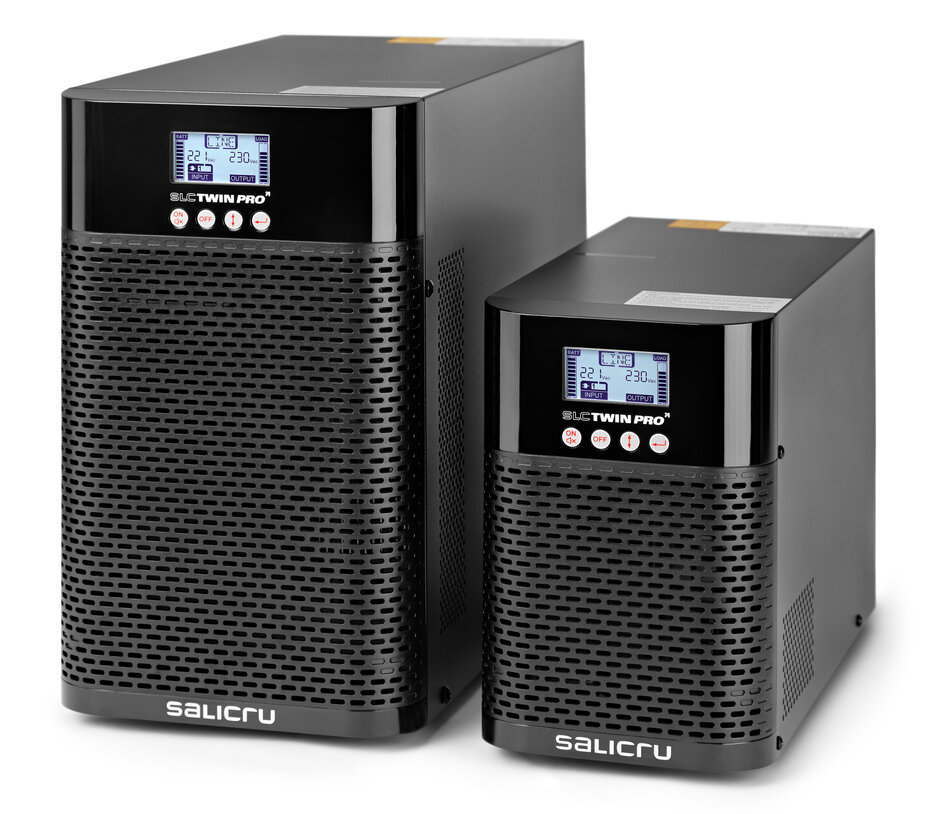
Salicru is a market leader in the manufacture and marketing of UPS systems. Founded in 1965, it aims to meet the specific needs of different installations by offering a wide range of UPS devices in terms of their technologies, input and output voltages, frequencies, required backup time, communication possibilities and support services.
.jpg)
The output voltage is generated entirely by the UPS systems. The device initially converts the mains alternating current to direct current and stores it in the batteries. Then, it supplies the protected equipment by converting the direct current from the batteries to a perfect alternating current that is entirely unaffected by any interruptions or disturbances existing at the input to the UPS device.
They are most commonly used in large corporations and critical settings such as data centres, hospitals, and transport, energy and hydraulic infrastructures.
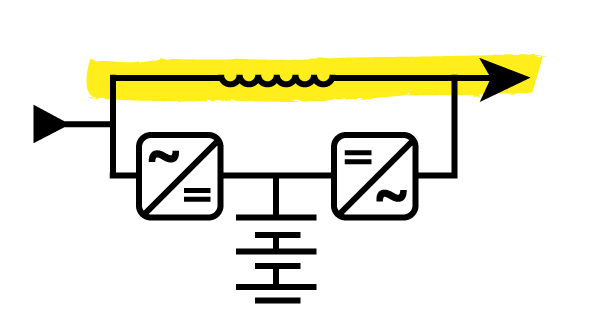
These devices generate a pseudo-sine or sinusoidal output wave, avoiding micro-outages. They have an automatic voltage stabiliser (Buck/Boost) that regulates mains fluctuations to deliver a stable electrical current, protect against disturbances and prevent excessive use of the batteries.
They are ideal for use in homes, shops and small offices.
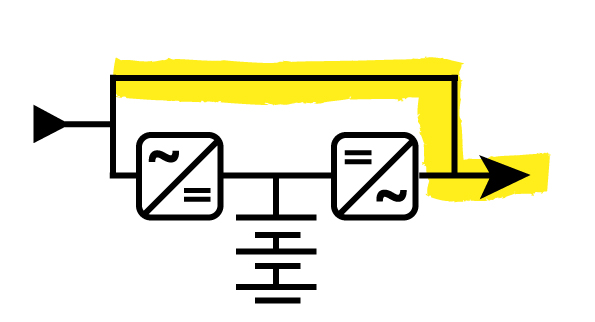
The devices are powered directly from the mains, and their batteries only start to operate when there is a power outage, which causes a brief power lapse that can affect sensitive equipment.
Also known as a standby, this is the most common and economical of all UPS systems. It has simple electrical circuitry and is the most energy-efficient of the three technologies.
The features and dimensions of these UPS systems make them ideal for household use.
The output voltage is generated entirely by the UPS systems. The device initially converts the mains alternating current to direct current and stores it in the batteries. Then, it supplies the protected equipment by converting the direct current from the batteries to a perfect alternating current that is entirely unaffected by any interruptions or disturbances existing at the input to the UPS device.
They are most commonly used in large corporations and critical settings such as data centres, hospitals, and transport, energy and hydraulic infrastructures.
These devices generate a pseudo-sine or sinusoidal output wave, avoiding micro-outages. They have an automatic voltage stabiliser (Buck/Boost) that regulates mains fluctuations to deliver a stable electrical current, protect against disturbances and prevent excessive use of the batteries.
They are ideal for use in homes, shops and small offices.
The devices are powered directly from the mains, and their batteries only start to operate when there is a power outage, which causes a brief power lapse that can affect sensitive equipment.
Also known as a standby, this is the most common and economical of all UPS systems. It has simple electrical circuitry and is the most energy-efficient of the three technologies.
The features and dimensions of these UPS systems make them ideal for household use.
.png)
Double voltage conversion (AC/DC + DC/AC), providing the best degree of safety to loads.
.png)
In the event of power failure, the loads continue to be powered by means of batteries
.png)
Increased efficiency up to 99%, with immediate availability of full power.
.png)
In the event of any eventuality (incident, overload, etc.), the loads continue to be powered by the input voltage.
.png)
Increased safety (n+1) or capacity, with configurations up to 3 devices.
.png)
Adaptation of the output frequency to the needs of the load (50/60 Hz or 60/50 Hz).
Double voltage conversion (AC/DC + DC/AC), providing the best degree of safety to loads.
In the event of power failure, the loads continue to be powered by means of batteries
Increased efficiency up to 99%, with immediate availability of full power.
In the event of any eventuality (incident, overload, etc.), the loads continue to be powered by the input voltage.
Increased safety (n+1) or capacity, with configurations up to 3 devices.
Adaptation of the output frequency to the needs of the load (50/60 Hz or 60/50 Hz).

They protect IT equipment and charging points against sudden power outages, preventing the data loss and hardware damage that power outages or electrical fluctuations can cause.

Ensure economic transactions, avoiding the shutdown and restart of the equipment involved in the commercial relationship.
They deliver consistent power to ensure sensitive equipment, such as cameras or alarms, can operate without interruption.

They prevent the loss of game progress when gaming and interruptions in media playback.

They prevent downtime, protect data systems and allow for proper shutdown in the event of prolonged power outages.
They maintain connectivity, prevent any disruption of data flow and protect routers and switches from damage.
They guarantee services, protecting critical IT infrastructure and avoiding financial losses due to downtime.

They maintain efficiency, safeguarding industrial equipment sensitive to power outages and avoiding unplanned downtime.

They keep medical machines running during power outages, ensuring the safety and well-being of patients.
.jpg)
They ensure continuity in communication services, keeping the network infrastructure active and preventing interruptions in connectivity.

They guarantee continuous operation and safety in the event of power supply failures in, for example, power plants, airports, railway structures or traffic control systems.
They protect IT equipment and charging points against sudden power outages, preventing the data loss and hardware damage that power outages or electrical fluctuations can cause.
Ensure economic transactions, avoiding the shutdown and restart of the equipment involved in the commercial relationship.
They deliver consistent power to ensure sensitive equipment, such as cameras or alarms, can operate without interruption.
They prevent the loss of game progress when gaming and interruptions in media playback.
They prevent downtime, protect data systems and allow for proper shutdown in the event of prolonged power outages.
They maintain connectivity, prevent any disruption of data flow and protect routers and switches from damage.
They guarantee services, protecting critical IT infrastructure and avoiding financial losses due to downtime.
They maintain efficiency, safeguarding industrial equipment sensitive to power outages and avoiding unplanned downtime.
They keep medical machines running during power outages, ensuring the safety and well-being of patients.
They ensure continuity in communication services, keeping the network infrastructure active and preventing interruptions in connectivity.
They guarantee continuous operation and safety in the event of power supply failures in, for example, power plants, airports, railway structures or traffic control systems.
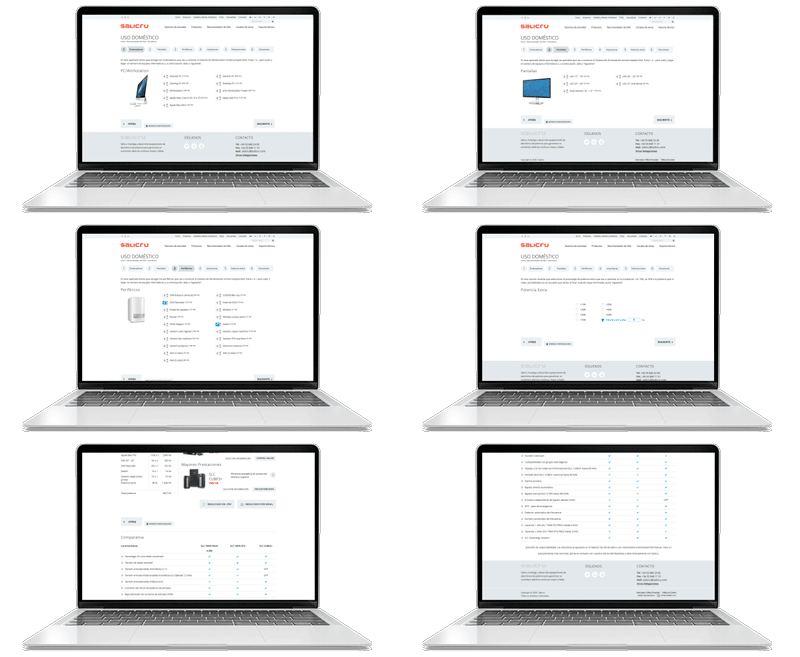
The choice of a UPS is essentially based on the parameters of its technology and the power of the equipments it will protect.
To help you select the best UPS solution, Salicru has a UPS Systems Recommender that will suggest the best solution in line with the equipment or load you wish to protect, whether it is for use in the home or in professional IT environments.

UPS systems have software that monitors the equipment and configures its settings in the event of a power cut, thereby enabling the orderly shutdown of files in all of the operating systems in single-user facilities, computer networks and virtualised environments.
This functionality means that the UPS system can be integrated into IT environments in the same way as any other peripheral.
IoT devices maximise the ability to monitor their status, by receiving information and carrying out remote battery and alarm testing in real time. The immediacy offered by the system’s connectivity directly ensures the continuity of the connected loads, and means that any anomalies are detected as soon as they occur.
In terms of hardware, these UPS systems are equipped with an over-voltage cut-off device (OVCD), a fan-block detection system, an overheating sensor, an overload alarm and an external-battery monitoring system, to enable constant supervision and give peace of mind to the user.
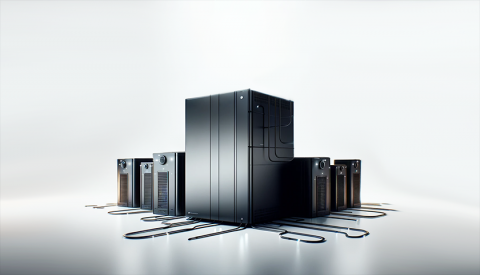
Every situation is different, so every installation should also be unique. The range of options on offer are essential in order to guarantee optimal and customised protection. Each UPS model has a section containing details of all of the options that can be added.
These include communication systems to enable integration with other networks, additional modules to extend backup time, battery monitoring and analysis systems, power distribution units, cable solutions, maintenance bypass units and automatic transfer systems.

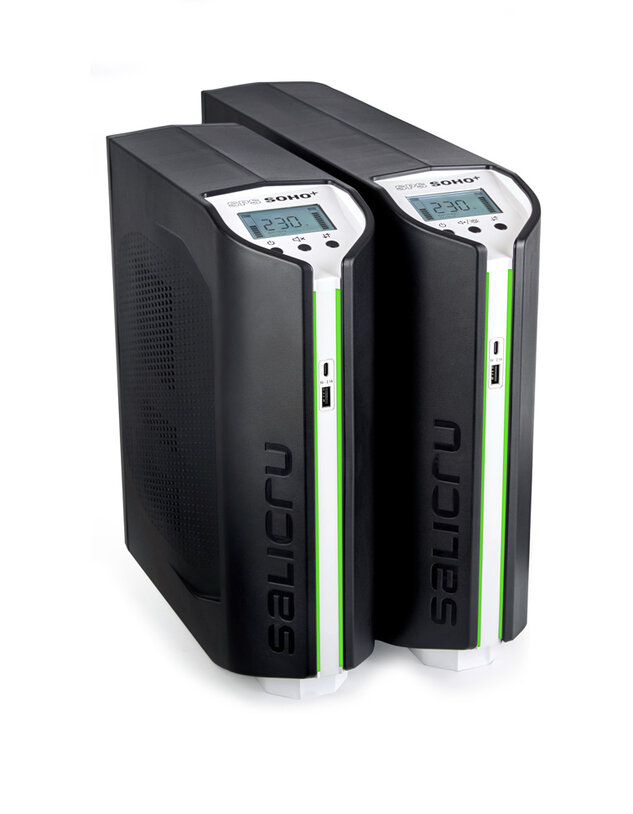
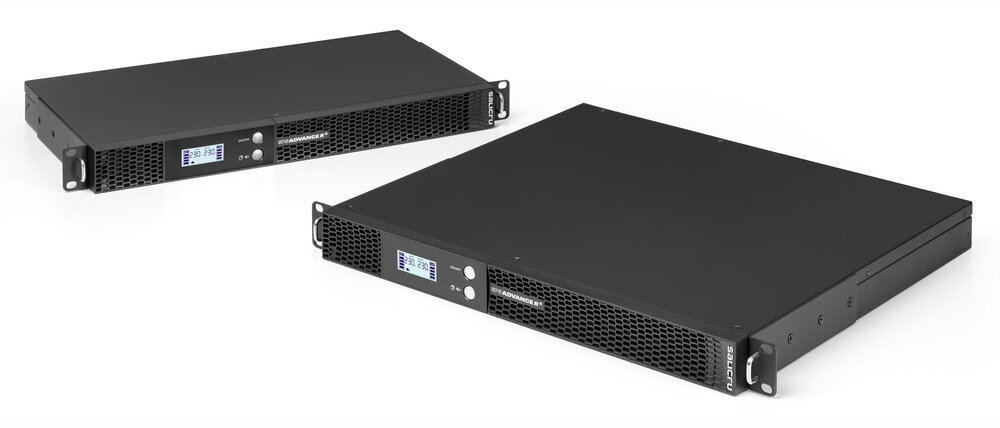
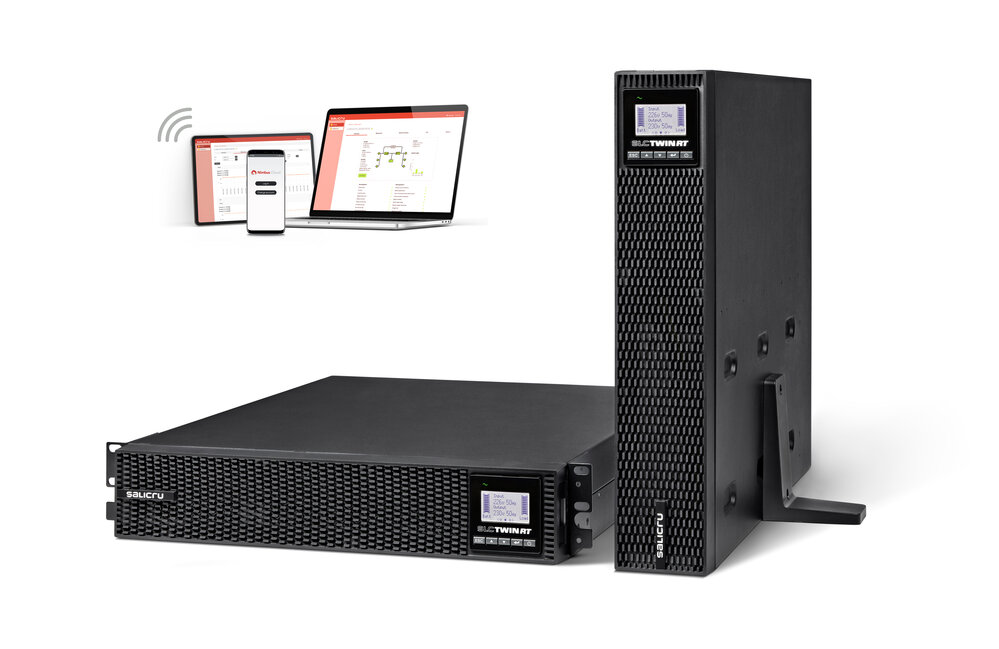
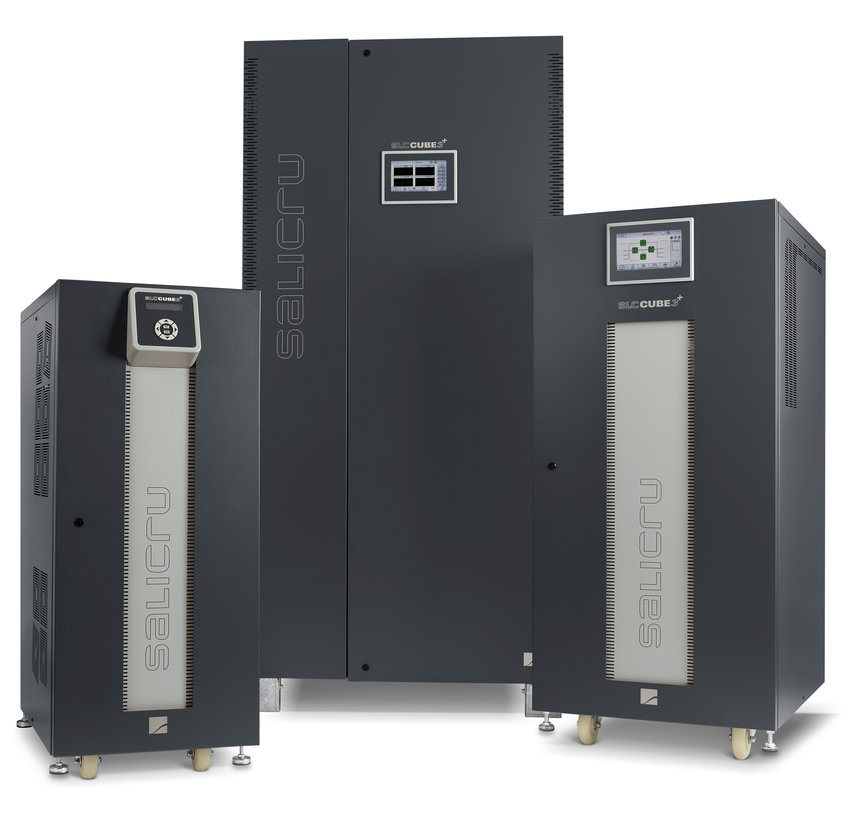

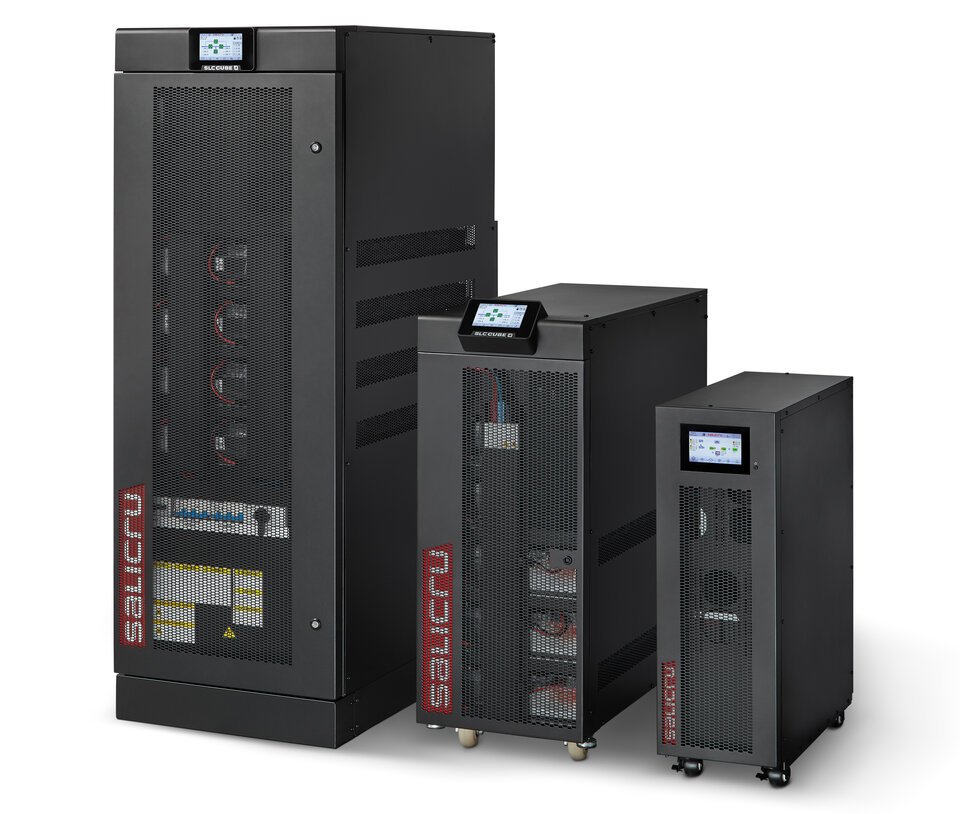
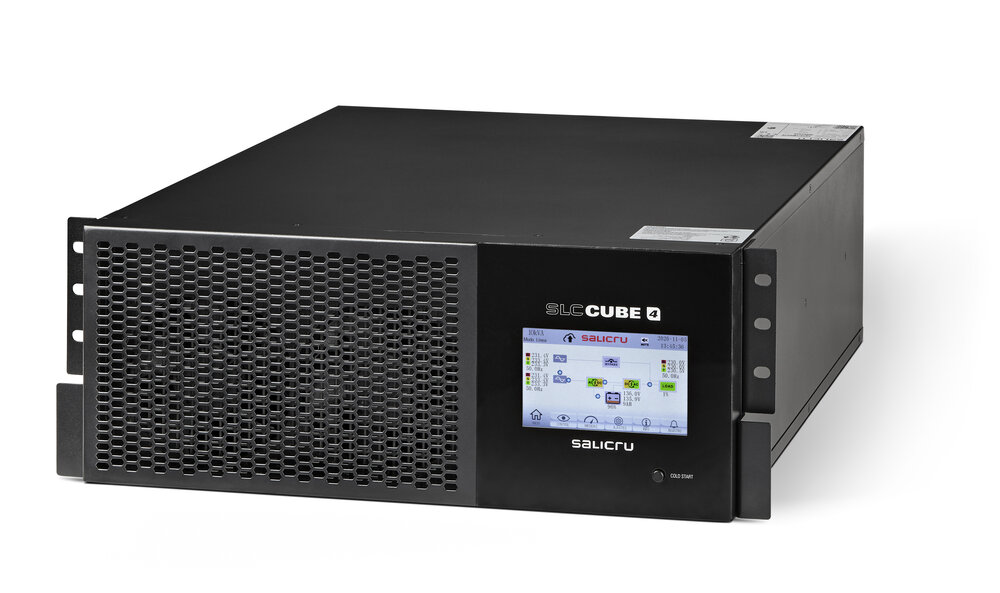
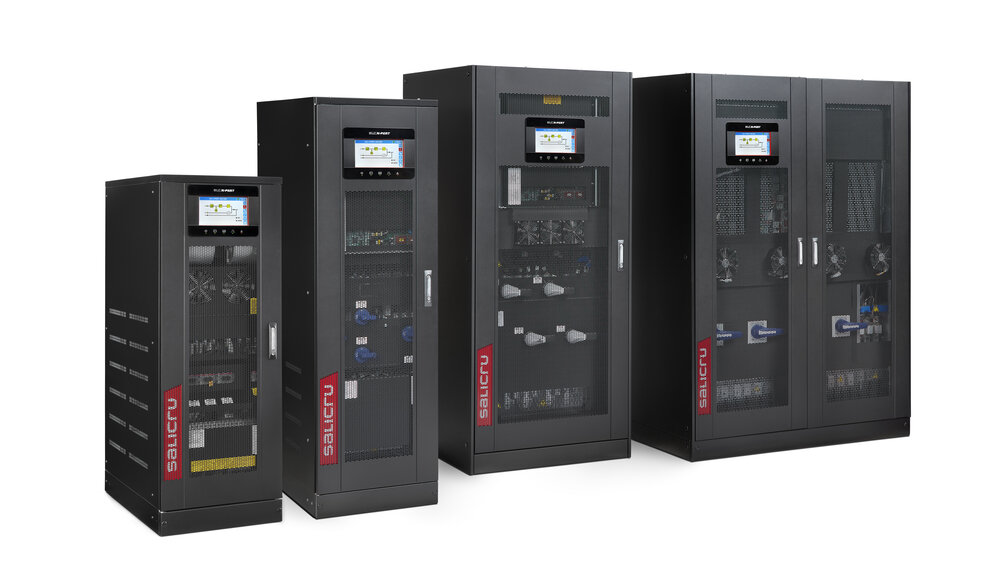
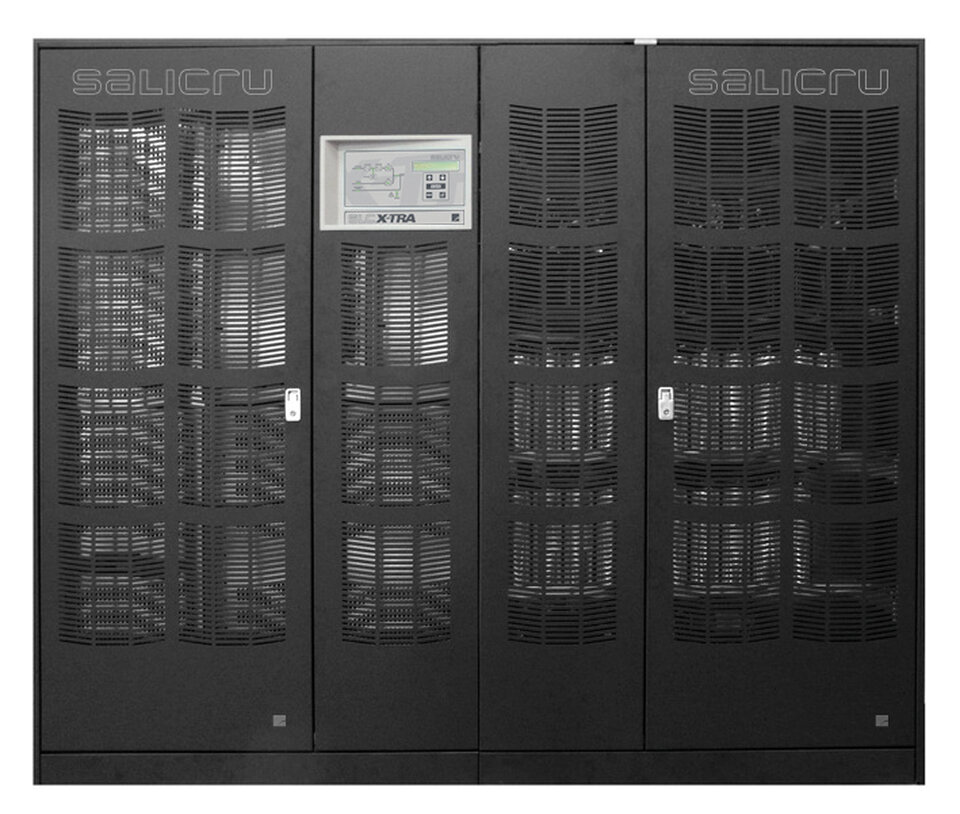
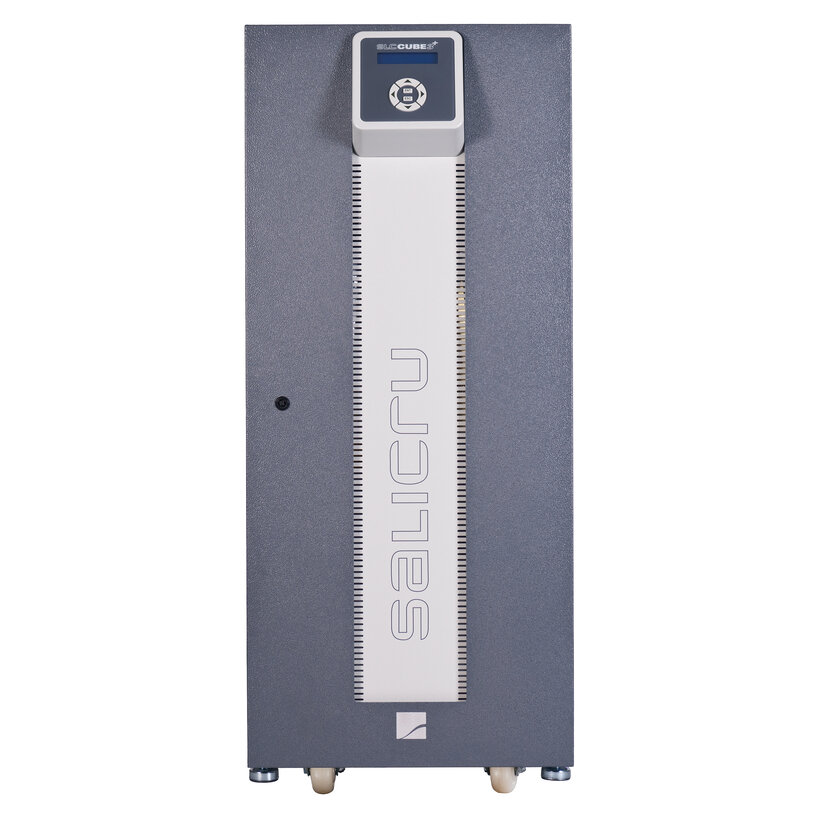
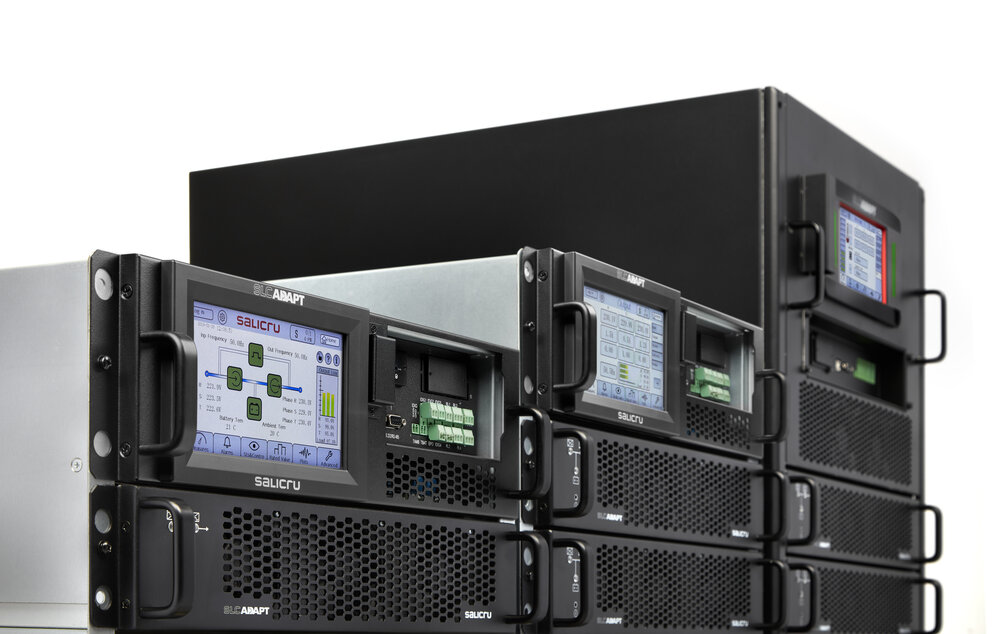
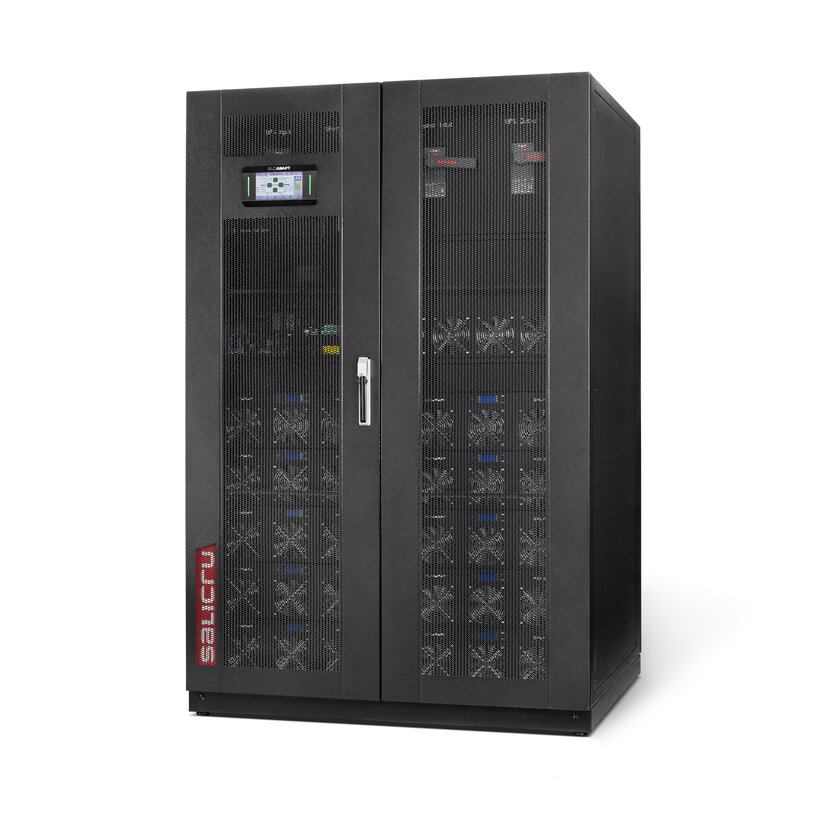

The partnership between AES Ltd and Salicru represents a success story in the Irish power electronics market, and also demonstrates how a long-lasting and efficient commercial relationship can help a company become a benchmark in its sector.
.jpg)
The data centre in Sant Cugat del Vallès (Barcelona) has a total power of 4 MW with capabilities to expand up to 8 MW. A total of six SLC ADAPT2 units are currently providing power backup for all the IT infrastructure and ancillary services at the site.

This project further strengthens Salicru’s position as a leader in energy solutions and reinforces its standing in the railway market. As part of a commitment to innovation and safety, Salicru has been selected to install devices in all interlockings not yet equipped with modular Uninterruptible Power Supply Systems (UPS).


 MONTAWEB.com